






A Pattern of Costly Mistakes
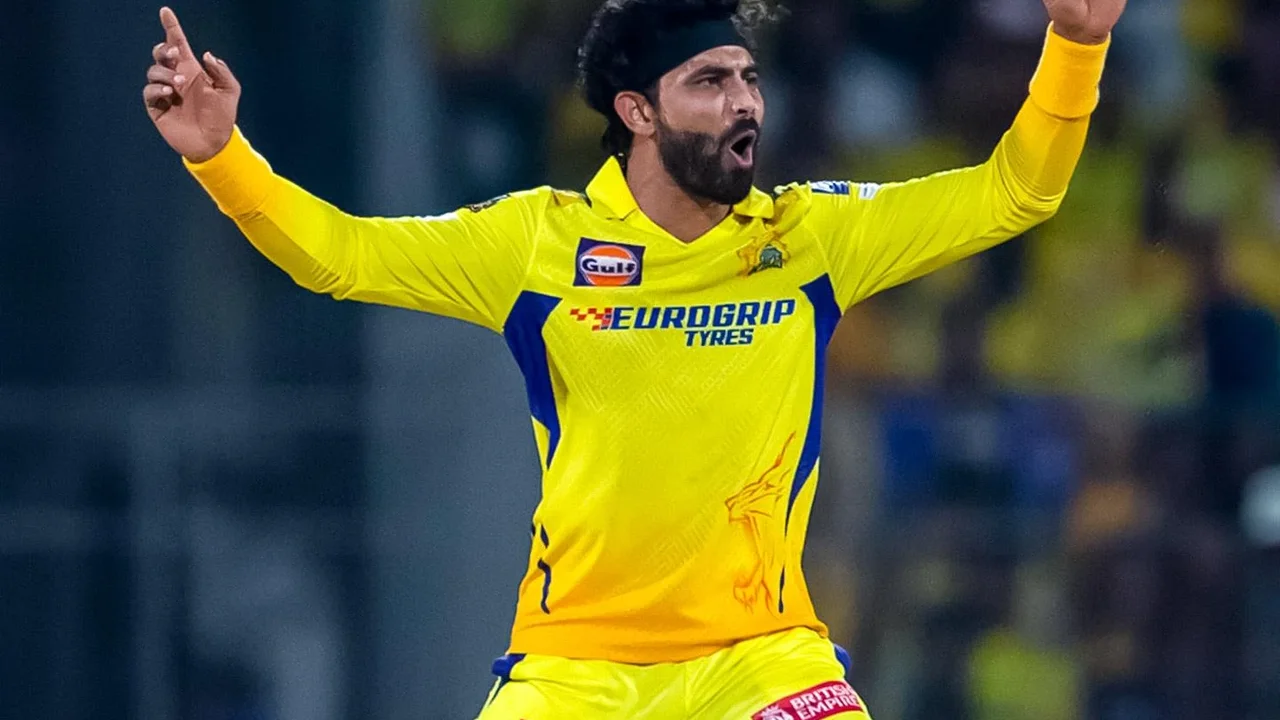
While the recent incident in Galle against Sri Lanka brought the issue to the forefront again, it is part of a persistent and costly pattern. Throughout his illustrious Test career, Ravindra Jadeja has developed an unfortunate habit of capturing wickets
on illegal deliveries. The 2023 Border-Gavaskar Trophy against Australia was a stark reminder of this problem. In that series alone, Jadeja bowled eight no-balls. Two of these cost India dearly, as he dismissed key batsmen Steve Smith and Marnus Labuschagne, only to have the wickets overturned. It’s a recurring issue that has, according to some reports, cost India a total of nine wickets in his Test career. For a player of his calibre, one who prides himself on precision and control, this is a glaring inconsistency that undermines his otherwise exceptional wicket-taking ability.
Why Does a Spinner Overstep?
For a fast bowler charging in from a long run-up, a no-ball is often a consequence of straining for extra pace. For a spinner, however, it is far less common and points to a more subtle technical flaw. Jadeja’s bowling action is energetic and quick; he fires the ball in with a rapid arm action and a brisk approach to the crease. This rhythm is key to his success, but it can also be the source of his no-ball troubles. An inconsistent run-up, where the starting point or stride length varies slightly, can lead to an unpredictable landing position. In Jadeja's case, an eagerness to get through his action and impart pace and spin on the ball may cause him to overstride, pushing his front foot just millimetres past the legal line. Furthermore, with the third umpire now using technology to check every delivery, infringements that might have been missed in the past are now caught every time.
The High Price of an Inch
In Test cricket, a wicket is earned through immense effort and strategy. Giving a batsman a reprieve, especially a top-order player, can completely alter the momentum of a match. When Jadeja overstepped to dismiss Marnus Labuschagne for a duck in the Indore Test, the Australian batsman went on to score 31 and build a crucial partnership. This prompted sharp criticism from commentators like Sunil Gavaskar, who labelled the repeated errors as “unacceptable” for a spinner of his stature. The visuals of head coach Rahul Dravid shaking his head in disbelief after the incident further highlighted the frustration within the team's leadership. It’s not just a run penalty and an extra ball; it's a mental blow to the fielding side and a massive boost for the batsman who gets a second chance.
The Path to Correction
Fixing the no-ball issue is less about overhauling Jadeja's technique and more about reinforcing discipline in his process. The solution lies in repetition and muscle memory. Coaches often advise bowlers with this problem to practice bowling from a foot behind the crease, creating a mental buffer. Another common technique is to use a marker for the start of the run-up and even for the final stride to ensure consistency. Video analysis from a side-on angle can help Jadeja and bowling coach Paras Mhambrey identify the precise moment his stride pattern deviates. Elite bowlers often use visual cues, like the umpire or stumps, to regulate their approach from the very first few steps of their run-up. By consciously focusing on these cues and embedding a slightly more conservative landing point into his muscle memory during net sessions, Jadeja can eliminate this unforced error without sacrificing his rhythm or effectiveness.