






Haldiram's European Restaurant Expansion: The Bigger Story Behind Indian Snack Brands Abroad
Haldiram's move into Europe is part of a larger trend of Indian snack brands successfully expanding into mainstream international markets.
From Nagpur to London's West End
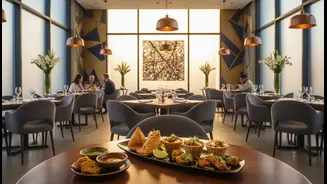
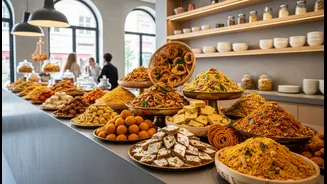
Haldiram's, a household name in India since 1937, has planted its flag firmly in one of London's most iconic locations.
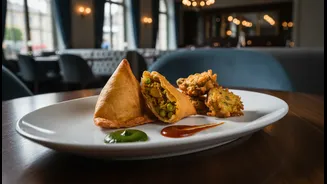
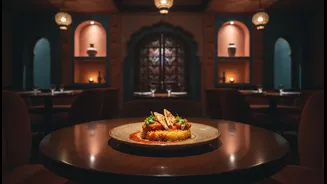
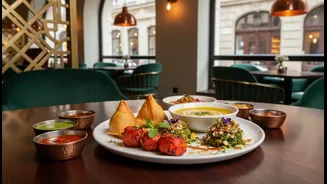
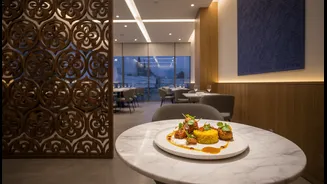
The 110-seater restaurant is a significant strategic move, taking the brand beyond its packaged goods empire and into full-service dining in a key Western market. Backed by investment from Singapore's Temasek, the move is a clear statement of intent. While the initial customer base will likely be driven by nostalgia from the Indian diaspora, the long-term goal is to attract a broader audience already familiar with Indian curries but perhaps not the rich diversity of its snacks and sweets. With plans to explore further UK sites and a close eye on European markets like Germany and France, this is just the beginning.
A Rising Tide of Taste
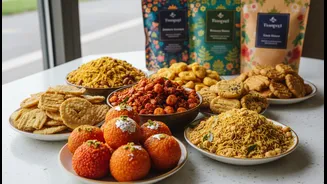
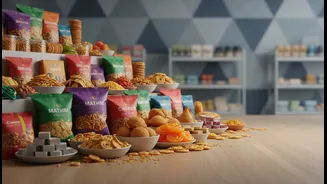
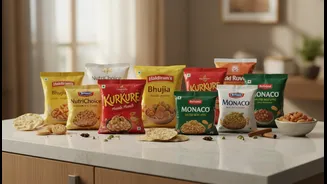
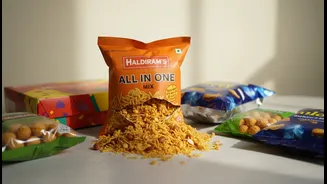
Haldiram's is a big ship, but it's not the only one in this rising tide. A host of Indian snack and food companies are making serious international plays. Bikaji Foods, another giant from Bikaner, is investing millions to establish a manufacturing facility in the United States to better serve the North American market. MTR Foods, a legacy brand from 1924, is now part of the Norwegian conglomerate Orkla and has a presence across the Middle East, Europe, and North America. These brands, once primarily focused on the domestic market, are now aggressively chasing global consumers. India's snack exports more than doubled from $0.54 billion in 2019 to $1.2 billion by 2024, a clear indicator that this is no longer a niche experiment but a core business strategy.
The Strategy Behind the Spice
So, why is this happening now? A perfect storm of factors is propelling these brands abroad. The growing, affluent Indian diaspora creates a strong and loyal initial market, a taste of home that provides a solid foundation for any launch. But the ambition has shifted. Brands are now strategically moving from the ethnic aisles of specialty stores to the mainstream shelves of retailers like Walmart and Tesco. This is coupled with a growing global appetite for authentic, diverse, and ethnic cuisines. Western consumers are more adventurous than ever, seeking complex flavours beyond the usual. Furthermore, foreign investment from major players like Temasek and other private equity funds has provided the capital needed for this ambitious global expansion.
Beyond the Diaspora Market
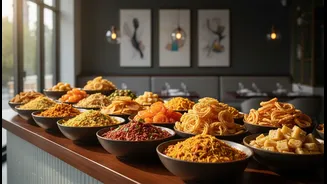
The game has changed from simply exporting to the diaspora to building a mainstream brand. The strategy involves significant adaptation. For its London restaurant, Haldiram's took inspiration from the success of casual dining chains like Dishoom, aiming for an experiential model that blends tradition with a contemporary feel. This includes offering vegan options and keeping prices accessible despite a prime location. Other brands like Bikaji are investing in local manufacturing in the US to shorten supply chains and improve customer access. There is also a push towards healthier options, with brands innovating to offer products with less sugar, better oils, and even tapping into the demand for plant-based and gluten-free snacks like makhana (fox nuts).
Challenges on the Global Stage
The path to global dominance is not without its hurdles. Competition is fierce, not just from other Indian brands but from established local and international snack companies. Adapting authentic tastes for a global palate without losing their soul is a delicate balancing act. Rhea Agarwal, who leads Haldiram's European expansion, acknowledges this balance between what the brand is and what it wants to become. Then there are the logistical complexities of global supply chains and the need to navigate the varied food regulations of different countries. However, the commitment is clear. By investing in local infrastructure and carefully positioning themselves, Indian brands are proving they are in it for the long haul.