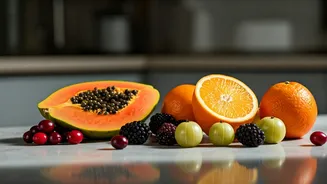









Jamun: The Antioxidant Powerhouse
This deep-purple seasonal fruit is a monsoon classic for a reason. Jamun, or Indian blackberry, is loaded with Vitamin C and iron, which are crucial for maintaining a robust immune system and healthy haemoglobin levels. Its astringent properties aid digestion,
a common concern during the damp season when our digestive fire (agni) is considered weaker. Furthermore, Jamun is low in calories and has a low glycemic index, making it a favourable fruit for managing blood sugar levels. Its potent antioxidants help fight off free radicals, reducing cellular damage and inflammation, which can be heightened during this season of infections.
Turmeric: The Golden Healer
While available year-round, turmeric’s powers are especially valuable during the monsoon. Its active compound, curcumin, is a formidable anti-inflammatory and antioxidant agent. A warm glass of 'haldi doodh' (turmeric milk) before bed is a timeless remedy for warding off colds, coughs, and sore throats that become rampant in this weather. Turmeric's antiseptic and antibacterial properties help your body fight infections from within. Incorporating fresh or powdered turmeric into your daily cooking—in dals, sabzis, and soups—is an easy way to leverage its protective benefits and keep seasonal illnesses at bay.
Ginger: The Digestive and Anti-Inflammatory Aid
A cup of 'adrak wali chai' is more than just a comforting ritual on a rainy day; it's a health potion. Ginger is celebrated for its ability to soothe the digestive system, combatting indigestion, bloating, and nausea. Its active components, like gingerol, have powerful anti-inflammatory and antibacterial effects, making it effective against respiratory infections and sore throats. It stimulates digestion and helps the body absorb nutrients more effectively. Whether added to tea, grated into soups, or used as a paste in curries, ginger is an indispensable monsoon ingredient for keeping your gut and respiratory system in top shape.
Corn (Bhutta): The Fibre-Rich Snack
The sight and smell of roasted corn on the cob is synonymous with the Indian monsoon. Beyond being a delicious street-side snack, bhutta is a fantastic source of dietary fibre, which is essential for a healthy digestive tract. It promotes regular bowel movements and prevents constipation, which can be an issue with a sluggish monsoon metabolism. Corn is also packed with antioxidants like lutein and zeaxanthin, which are beneficial for eye health. It provides a slow release of energy, making it a fulfilling and healthy snack to keep you going on gloomy, overcast days.
Gourds: The Hydrating Heroes
Vegetables like bottle gourd (lauki), ridge gourd (turai), and bitter gourd (karela) are light on the stomach and incredibly easy to digest. Their high water content helps keep you hydrated, while their rich fibre content aids digestion. Lauki, in particular, is known for its cooling properties and is packed with essential minerals. While its taste can be divisive, karela is a powerhouse for regulating blood sugar and is loaded with vitamins and antioxidants that purify the blood. Including these cooked gourds in your diet helps give your digestive system a much-needed break while still providing vital nutrients.
Pomegranate (Anaar): The Immunity Shield
Pomegranate seeds are tiny red jewels packed with powerful nutrients. Rich in Vitamin C, Vitamin K, and potent antioxidants called punicalagins, this fruit is a champion for boosting immunity. It helps increase the body's resistance against infections and can aid in reducing inflammation. Pomegranates are also known to help maintain healthy blood pressure levels and improve heart health. Their high iron content can also help combat anaemia and boost energy levels, fighting the lethargy that often accompanies the monsoon season. A bowl of pomegranate seeds makes for a perfect mid-day snack.