


The Quest for Complete Protein
Proteins are fundamental to our health, helping to build and repair tissues, create enzymes, and support immune function. They are constructed from building blocks called amino acids. While our bodies can produce some amino acids, nine are considered
'essential' because we must get them from our food. A food source that contains all nine of these essential amino acids in the right proportions is called a 'complete protein'. Animal products like meat, eggs, and dairy are naturally complete proteins. Most plant-based foods, however, are 'incomplete', meaning they are low in one or more essential amino acids. This doesn't make them inferior; it just means we need to be a little smarter about how we combine them to cover all our nutritional bases.
The Power Players: A Perfect Match
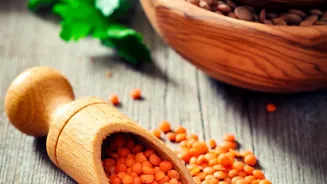
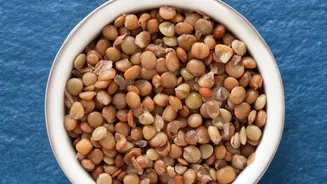
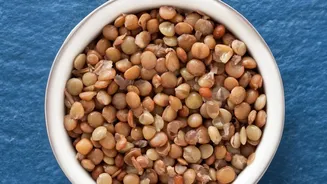
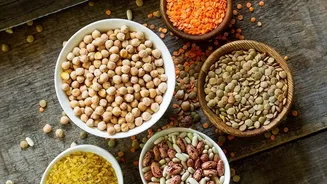
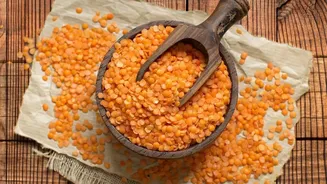
This is where the magic of pairing comes in, particularly with staples common in Indian cuisine. Lentils (dal) are a nutritional powerhouse, rich in protein and fibre. They are particularly high in the essential amino acid lysine but tend to be low in another called methionine. Rice, on the other hand, has the opposite profile: it is low in lysine but contains the methionine that lentils lack. When you eat them together, their amino acid profiles complement each other perfectly. They form a complete protein, giving your body all the essential building blocks it needs, similar to what you would get from an animal source. This scientific synergy is the reason why dal and rice is such a timeless and nutritionally sound meal.
Adding Seeds for a Nutrient Boost
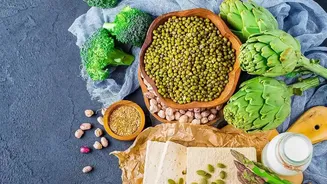
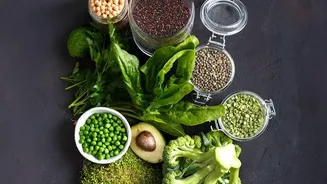
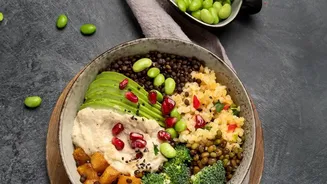
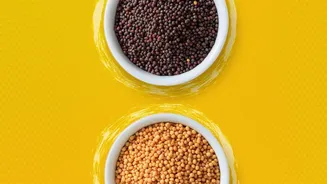
To elevate this powerful combination even further, seeds are your best friend. Sprinkling seeds like pumpkin, sesame, sunflower, or chia into your meals adds more than just a satisfying crunch. Many seeds are excellent sources of protein and also help fill in any remaining nutritional gaps. For instance, pumpkin seeds are a good source of protein and magnesium, while chia seeds are a rare plant-based complete protein on their own and are also packed with omega-3 fatty acids and fibre. Adding a spoonful of mixed seeds to your dal-rice, or using a seed-based dressing on a lentil salad, enhances the overall protein quality and introduces a variety of healthy fats, vitamins, and minerals. Legumes paired with grains, nuts, or seeds is a classic strategy for building a complete protein.
Do I Need to Eat Them Together?
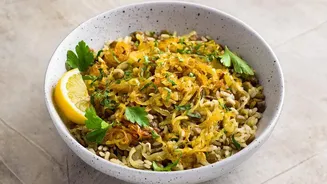
For years, it was believed that you had to eat complementary proteins in the exact same meal to get the benefit. However, modern nutritional science has shown this is not strictly necessary. Your body maintains a pool of amino acids, so as long as you consume a variety of plant protein sources throughout the day, you can still meet your needs. Eating lentils for lunch and then having whole-grain roti or a handful of nuts as a snack later works just as well. That said, combining them in one meal, like a comforting bowl of khichdi or mujadara (a dish of lentils, rice, and onions), is a simple and delicious way to ensure you're getting a balanced amino acid profile without having to overthink it.
Simple Pairings for Everyday Meals
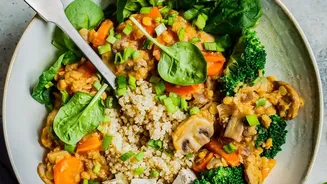
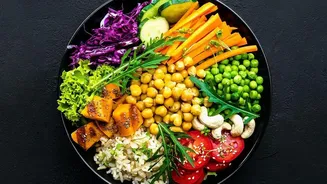
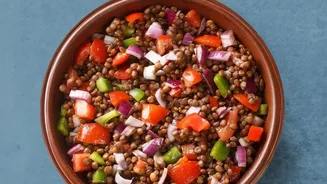
Putting this into practice is easy and delicious. The most iconic Indian example is, of course, dal and rice or dal with roti (whole wheat flatbread). Think beyond the basics to explore other possibilities. A hearty lentil soup served with a side of brown rice or quinoa makes a wonderfully balanced meal. You can prepare a warm lentil salad and top it with toasted pumpkin seeds and a lemon vinaigrette. Another great option is khichdi, a one-pot dish where rice and lentils are cooked together, which can be garnished with a sprinkle of roasted sesame seeds. Even snacks can be optimized; hummus (made from chickpeas, another legume) served with whole-wheat pita bread is another classic complete protein pairing.