





Your Morning Health Check
Start your day with an immunity-boosting mindset. Instead of heavy, oily foods that can slow digestion, opt for a light breakfast. Drink warm beverages like ginger or herbal tea. Before stepping out, check the weather forecast and traffic advisories on your phone.
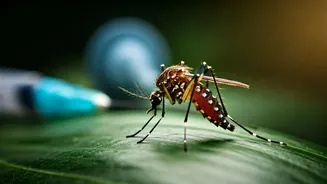
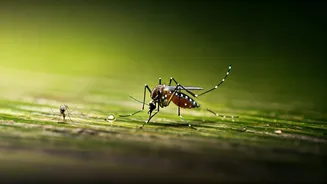
Dress in light, synthetic fabrics that dry quickly and avoid wearing clothes that can easily get stained by muddy water. Choose waterproof footwear with a good grip to navigate slippery pavements. It's also wise to apply a mosquito repellent lotion on exposed skin, as dengue and malaria-carrying mosquitoes are active during the day.
Fortify Your Home Base
Your home needs protection from the constant dampness. The most critical task is to check for and prevent mosquito breeding. Empty water from coolers, plant trays, and any open containers at least once a week. Ensure drains on your rooftop and balconies are clear of leaves and debris to prevent water accumulation and seepage. To combat indoor humidity and the musty smell, use dehumidifiers or place natural absorbents like chalk or neem leaves in closets. Keep leather items, expensive rugs, and wooden furniture away from damp walls. It's also a good time to check your home's electrical wiring and use surge protectors for expensive appliances to guard against power fluctuations during thunderstorms.
Master The Monsoon Commute
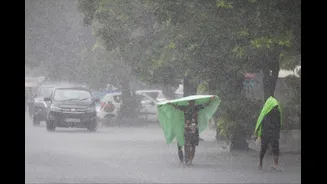
Commuting is the biggest challenge during the Delhi monsoon. If you drive, ensure your car is prepared. Your wipers, tyres, brakes, and headlights must be in top condition. Drive slowly, maintain a much larger distance than usual from the vehicle ahead, and never brake suddenly on wet roads. The biggest danger is waterlogged underpasses and roads; if you see a flooded street, do not try to drive through it as the water is often deeper than it appears. It's always better to find an alternative route or wait for the water to recede. Follow social media handles of the Delhi Traffic Police for real-time updates on waterlogging and jams. If using public transport, allow for extra travel time and carry a waterproof bag for your electronics.
Guard Against Sickness
Monsoon is prime time for water-borne and vector-borne diseases like typhoid, dengue, and viral fevers. Be extremely cautious about what you eat and drink. Avoid street food, especially items that are exposed to open air or use water of questionable quality. Stick to freshly cooked, hot meals. Drink only boiled or filtered water. Wash vegetables and fruits thoroughly before consumption. Personal hygiene is paramount. Wash your hands frequently, especially before meals. If you get drenched in the rain, take a shower as soon as you get home to wash off any pollutants and prevent fungal skin infections.
The Evening Wind-Down
End your day by drying out and resetting. If your clothes or shoes are wet, don't leave them in a pile. Hang them in a well-ventilated area to dry completely to prevent fungal growth. A quick wipe-down of your bag and other belongings can also help. Place a dedicated doormat and a stand for wet umbrellas and raincoats at your entrance to keep the rest of the house clean and dry. Before sleeping, do a quick check around the house for any new leaks or damp spots that might have appeared after the day's rain. A calm evening sets you up for a better-prepared next day, turning the monsoon from a period of stress into a season you can manage effectively.