


India Sets Its Sights on Venus
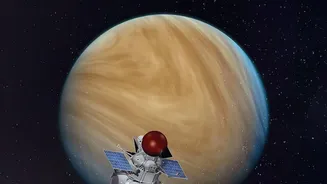
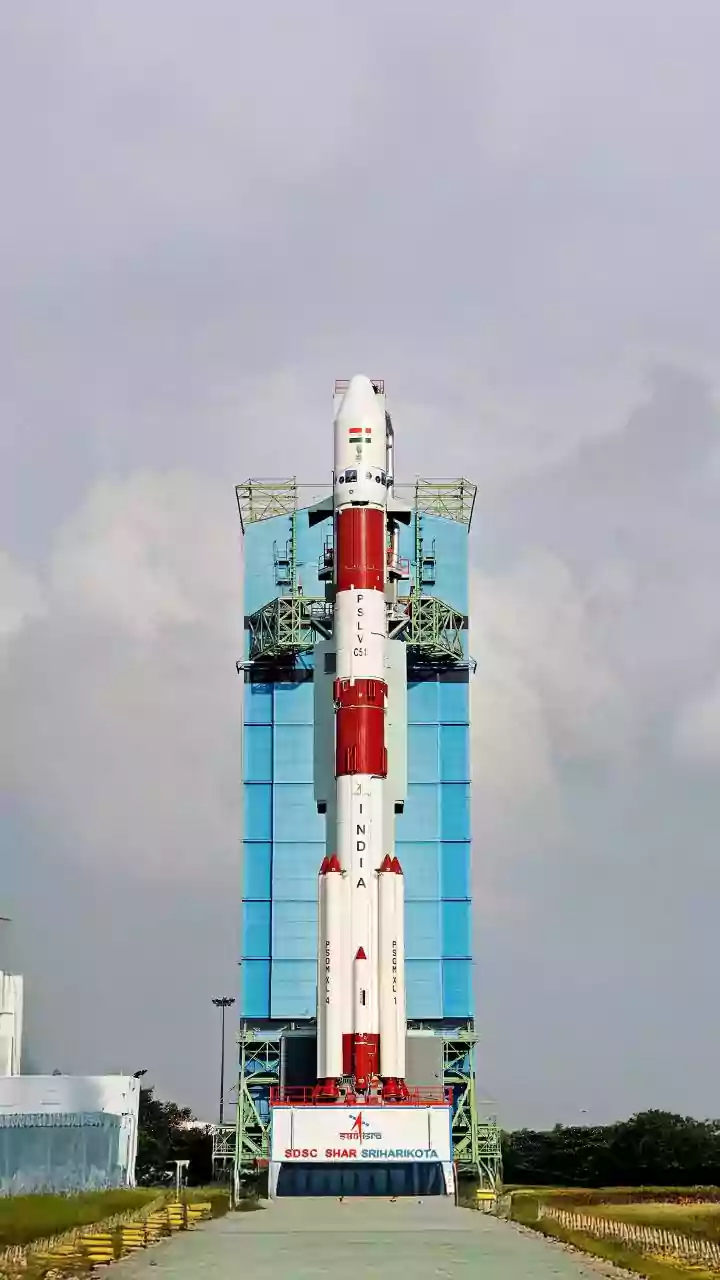
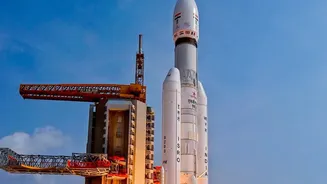
Following the historic successes of Chandrayaan and Mangalyaan, the Indian Space Research Organisation (ISRO) is embarking on its next great interplanetary journey: the Shukrayaan-1 mission. The name, derived from the Sanskrit words for Venus ("Shukra")
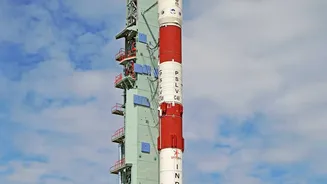
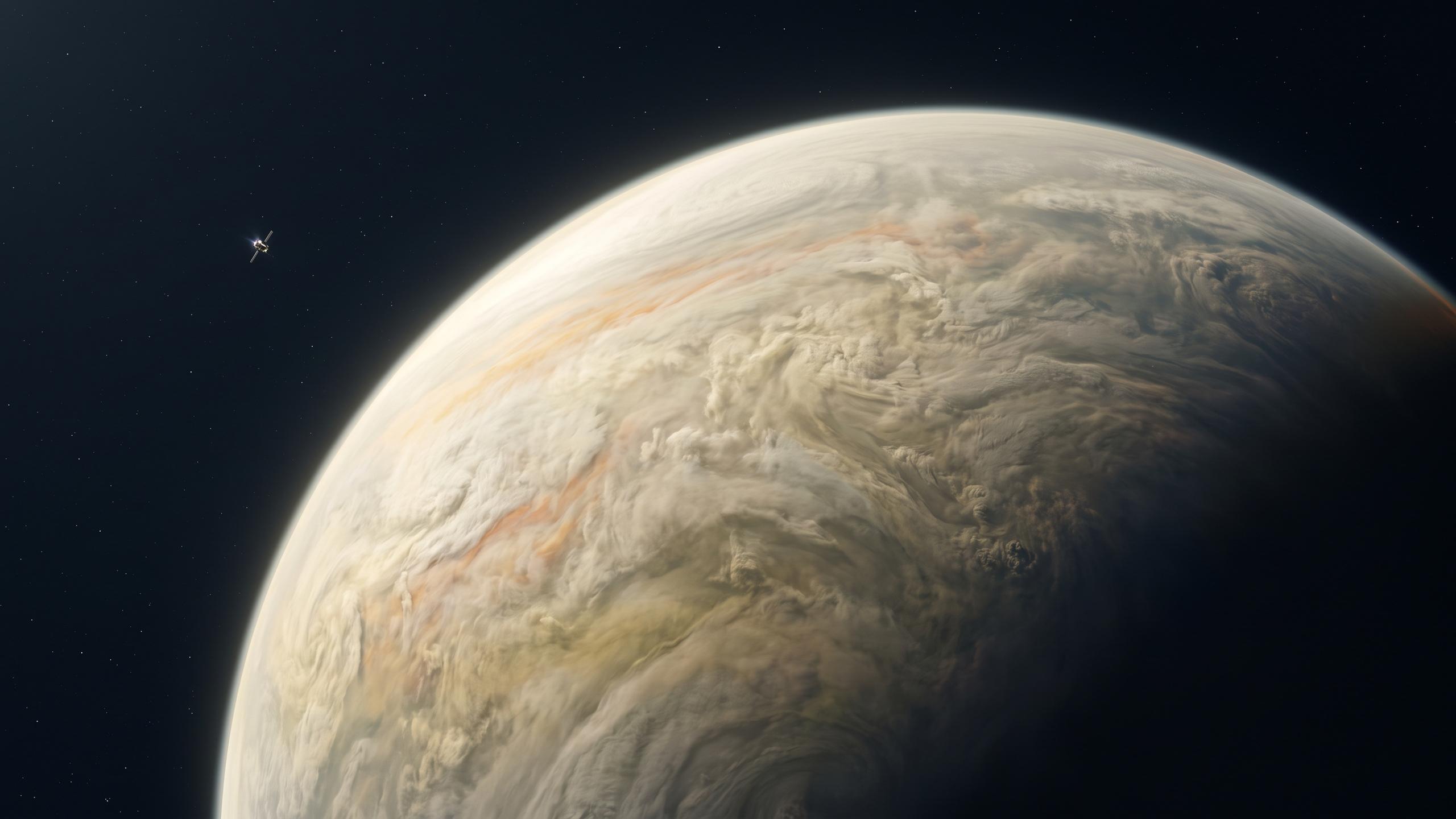
and craft ("Yaan"), signifies India's first dedicated mission to our nearest planetary neighbour. Scheduled for a 2028 launch, this orbiter mission represents a major leap in India's space exploration capabilities. It aims to conduct a comprehensive study of Venus from a highly elliptical orbit, carrying a suite of advanced scientific instruments designed in India and with international partners. The mission's goal is not just to plant a flag in Venusian orbit, but to collect data that could fundamentally alter our understanding of how planets evolve.
The Enigma of Venus's Atmosphere
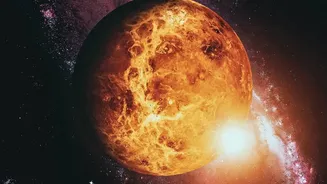
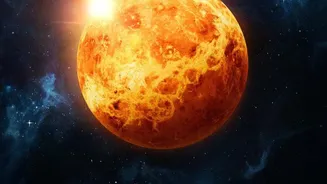
Venus is often called Earth's twin due to its similar size and mass, but its environment is hellish. The surface temperature is hot enough to melt lead, and the atmospheric pressure is over 90 times that of Earth's. This hostile world is shrouded in thick clouds of sulfuric acid, which have long concealed its secrets. One of the biggest puzzles is the 'unknown UV absorber'—mysterious dark patches in the clouds that absorb a huge amount of solar radiation and appear to influence the planet's weather. Scientists have debated the identity of this absorber for a century, with theories ranging from iron compounds to even microbial life. Shukrayaan-1's instruments are designed to probe this and other chemical mysteries, such as why the atmosphere rotates 60 times faster than the planet itself—a phenomenon known as super-rotation.
A Laboratory for Climate Change
The primary reason studying Venus is so crucial is that it serves as a natural laboratory for understanding a runaway greenhouse effect. Scientists believe Venus may have once had liquid water oceans, much like early Earth. However, an intense greenhouse effect boiled them away, trapping heat and creating the scorching, toxic atmosphere we see today. By studying the chemical processes that led to this climate catastrophe, we can gain invaluable insights into the long-term stability of Earth's own atmosphere. The data gathered by Shukrayaan-1 will help refine our climate models, providing a clearer picture of the potential tipping points and consequences of rising greenhouse gas levels on our own planet. In essence, understanding why Earth's twin went so wrong could be key to safeguarding our own future.
The Tools for a Toxic World
To peer through the dense clouds, Shukrayaan-1 will be equipped with a powerful payload of about 19 instruments. A key component is a high-resolution Synthetic Aperture Radar (SAR), which can map the planet's surface features regardless of the thick cloud cover, searching for evidence of active volcanoes that might still be replenishing the atmosphere. Other instruments will analyze the atmospheric composition, including a collaboration with Russia and France to study atmospheric gases, and another with Sweden to investigate how the solar wind interacts with the Venusian ionosphere. These tools will work in concert to create a holistic picture of Venus, from its hidden surface to the top of its bizarre atmosphere, seeking the chemical fingerprints that tell the story of its dramatic evolution.