




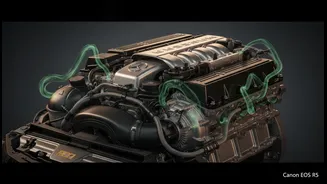




Understanding E20 Fuel
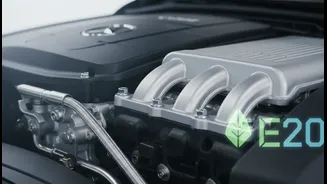
First, let's clarify what E20 fuel is. It's a blend of 80% petrol and 20% ethanol. The Indian government has mandated its use to help reduce the country's reliance on imported crude oil, lower carbon emissions, and support the agricultural sector by procuring
ethanol from sources like sugarcane and maize. While all new cars sold since April 2023 are designed to be E20 compatible, the key question for consumers is how this new fuel affects their monthly budget.
The Price at the Pump Isn't Everything
At first glance, E20 fuel might seem like a straightforward way to save money, but the pricing is complex. The government has indicated that the goal of ethanol blending is price stability rather than offering a cheaper fuel. This is because ethanol is procured from farmers at a fair price, and those costs are factored in. As a result, motorists often pay nearly the same price per litre for E20 as they did for older E10 blends, despite E20 having a different energy content. Therefore, simply comparing the per-litre price at the petrol pump doesn't give you the full financial picture.
The Crucial Mileage Question
The most critical factor in calculating running costs is fuel efficiency, or mileage. Ethanol has a lower energy density than petrol, which means the engine needs to burn slightly more E20 fuel to produce the same amount of power. Official estimates and user reports suggest a drop in mileage when using E20 fuel. This drop can range from 3% to 7% depending on the vehicle and driving conditions. Even in vehicles specifically designed and optimised for E20, a slight reduction in fuel economy is an expected trade-off for the fuel's environmental benefits and higher octane rating.
How to Calculate Your Real Cost-per-Kilometre
To truly understand your expenditure, you need to calculate the cost-per-kilometre. It's a simple calculation that cuts through the noise of fluctuating fuel prices and mileage figures.
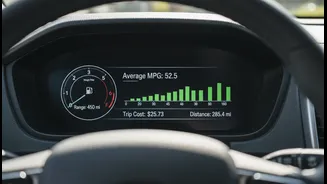
First, note your car's mileage with E20 fuel (kilometres per litre). You can find this from your car's display or by tracking it manually. Next, note the price you pay per litre for E20 petrol.
The formula is: Fuel Price per Litre ÷ Mileage (km/L) = Cost per Kilometre.
For example, if E20 petrol costs ₹102 per litre and your car delivers 19 km/L, your running cost is approximately ₹5.37 per kilometre. Comparing this figure with what you would get on regular petrol (if available) or with the manufacturer's claimed mileage for E10 fuel will give you a clear picture of the financial impact.
Considering Maintenance and Long-Term Health
For new, E20-compatible mass-market cars, manufacturers state that there should be no additional maintenance costs. These vehicles are built with materials in the fuel system (like hoses, gaskets, and injectors) that are designed to withstand the properties of ethanol. Therefore, routine service schedules and costs should not be significantly different from their E10-compatible predecessors. The concerns about accelerated wear and tear primarily apply to older, non-compliant vehicles. For owners of new cars, sticking to the manufacturer's recommended service intervals is the best way to ensure long-term engine health and performance.