





A Discovery in India's Monsoon Heartland
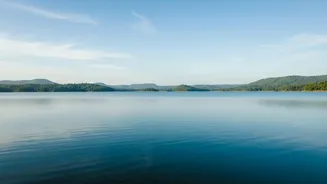
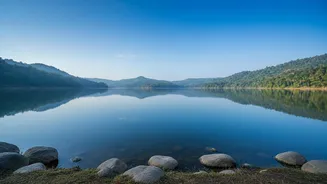
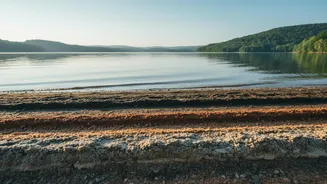
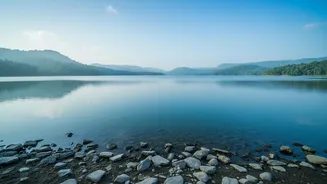
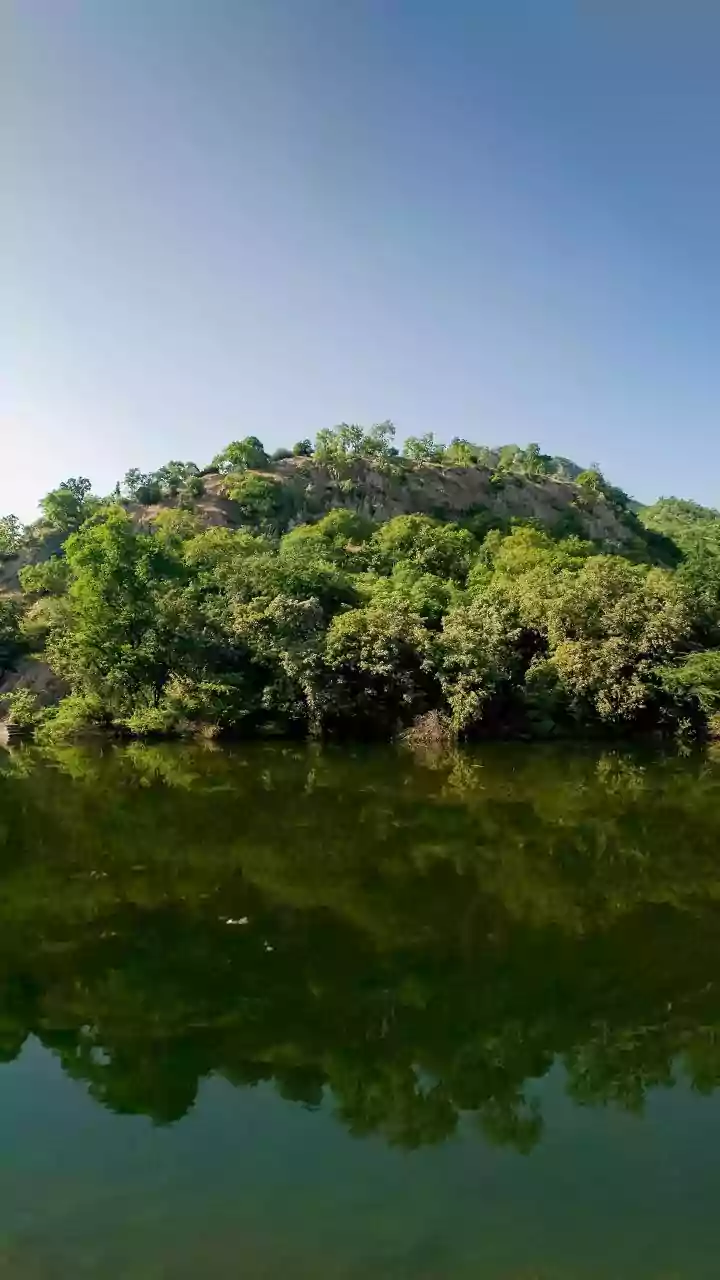
Scientists from the Birbal Sahni Institute of Palaeosciences in Lucknow have unearthed remarkable evidence from Raja Rani Lake in Chhattisgarh’s Korba district. By extracting a sediment core from the lakebed, they were able to look back through 2,500
years of environmental history. The location is critically important because it sits within India's Core Monsoon Zone (CMZ), the region that receives the vast majority of the country's annual rainfall from the Indian Summer Monsoon (ISM). Understanding the monsoon's past behaviour in this specific zone is key to predicting its future.
The Science of Pollen Archives
The method behind this discovery is palynology, the scientific study of pollen and spores. Think of pollen grains as nature’s tiny, incredibly durable time capsules. Each plant species produces pollen with a unique shape. When this pollen settles in lakes, its tough outer wall allows it to be preserved in layers of sediment for thousands of years. By drilling down and analysing these layers, scientists can identify the types of plants that grew in an area at different points in history. This vegetation record acts as a proxy, allowing them to reconstruct what the climate—in terms of temperature and humidity—was like in the distant past.
What the Pollen Grains Revealed
The Chhattisgarh study revealed a fascinating period between roughly 1060 CE and 1725 CE. During this time, which corresponds with a global climate event known as the Medieval Climate Anomaly, the pollen record was dominated by species found in moist, tropical deciduous forests. This evidence strongly suggests that central India experienced a significantly stronger and more sustained monsoon than previously estimated. The findings point to a prolonged period of warm, humid conditions, with no evidence of the major dry spells that might have been expected. This detailed picture of a more intense historical monsoon provides a new benchmark for climate scientists.
Connecting Local Data to Global Models
While global climate models are powerful, they often work on a very large scale. A hyper-local, long-term dataset like the one from Raja Rani Lake provides a crucial piece of the puzzle that was missing. Historical records of this nature act as a real-world fact-check for computer simulations. By feeding this detailed information about past monsoon intensity into current models, scientists can fine-tune their accuracy. This process, known as palaeoclimatic reconstruction, helps bridge the gap between theoretical models and actual past climate events, leading to more reliable projections for the future.
Why This Matters for India's Future
This isn't just an academic exercise about the past. The findings have profound implications for India's future climate resilience and policy-making. A more accurate understanding of the monsoon's natural variability allows for better long-term planning in agriculture, water management, and disaster preparedness. As the world grapples with modern climate change, knowing the full range of the monsoon's past behaviour—including periods of much higher intensity—is essential for anticipating future shifts. This research provides a critical evidence base to help create more robust strategies for navigating the environmental challenges ahead.