




More Than Just a Thread
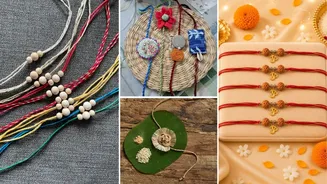
At its heart, a plantable rakhi is a simple yet ingenious idea. Crafted from biodegradable materials like handmade seed paper, jute, or organic cotton, its centrepiece contains seeds of flowers, herbs, or vegetables. Instead of traditional plastic beads
and synthetic threads that take hundreds of years to decompose, these rakhis are designed to return to the earth. After the festivities, instead of being discarded and contributing to landfill waste, the rakhi can be planted in a pot of soil. With a little water and sunlight, it sprouts in a few weeks, transforming a temporary symbol into a living plant. It’s a beautiful blend of tradition and environmental consciousness, offering a zero-waste alternative to a cherished ritual.
A Symbol That Grows With You
For young siblings, the appeal goes far beyond just being eco-friendly. It’s about creating a lasting, meaningful memory. A traditional rakhi’s life is fleeting, often discarded after a day. A plantable rakhi, however, evolves. The growing plant becomes a living, breathing testament to the sibling bond, a daily reminder of the promise of love and protection that Raksha Bandhan signifies. Every time they water the basil or see the marigold bloom, they reconnect with that festive moment. This appeals to a generation that increasingly prioritizes experiences and meaning over disposable objects. It shifts the focus from a one-day ritual to a continuous, evolving relationship with both their sibling and nature.
Celebrating Without the Waste
The environmental argument is a powerful driver for this trend. An estimated several crore rakhis, most made from non-biodegradable plastics, polyester threads, and synthetic glues, are thrown away every year in India. This creates a significant waste problem, clogging drains and polluting landfills. Young people, more aware than ever of issues like plastic pollution and climate change, are actively seeking ways to make their celebrations more sustainable. Choosing a seed rakhi is a conscious decision to reject this cycle of waste. It’s a small but significant act that aligns their festive traditions with their personal values, proving that celebration and conservation can go hand in hand.
The Rise of Conscious Consumerism
The popularity of plantable rakhis is part of a larger shift towards mindful consumption and supporting local communities. Many of these eco-friendly rakhis are handcrafted by local artisans and women's self-help groups, providing them with sustainable livelihoods. This adds another layer of appeal for young buyers, who are keen to know that their purchase has a positive social impact. Brands and social enterprises have tapped into this, offering beautifully designed rakhi kits complete with a pot and soil, making the green choice easy and accessible. This trend mirrors a broader movement in India towards greener gifting and more responsible festival celebrations overall.
Tradition with a Modern Twist
Crucially, adopting plantable rakhis isn't seen as abandoning tradition, but rather, enhancing it. It retains the core emotional essence of Raksha Bandhan while updating its physical manifestation for the 21st century. The sacred thread still symbolises the same powerful bond, but now it also represents a promise to protect the environment. It shows that tradition is not static; it can evolve to incorporate new values and concerns. For a new generation navigating a complex world, this fusion of old and new is deeply resonant. It allows them to honour their heritage proudly while simultaneously building a more sustainable future.