


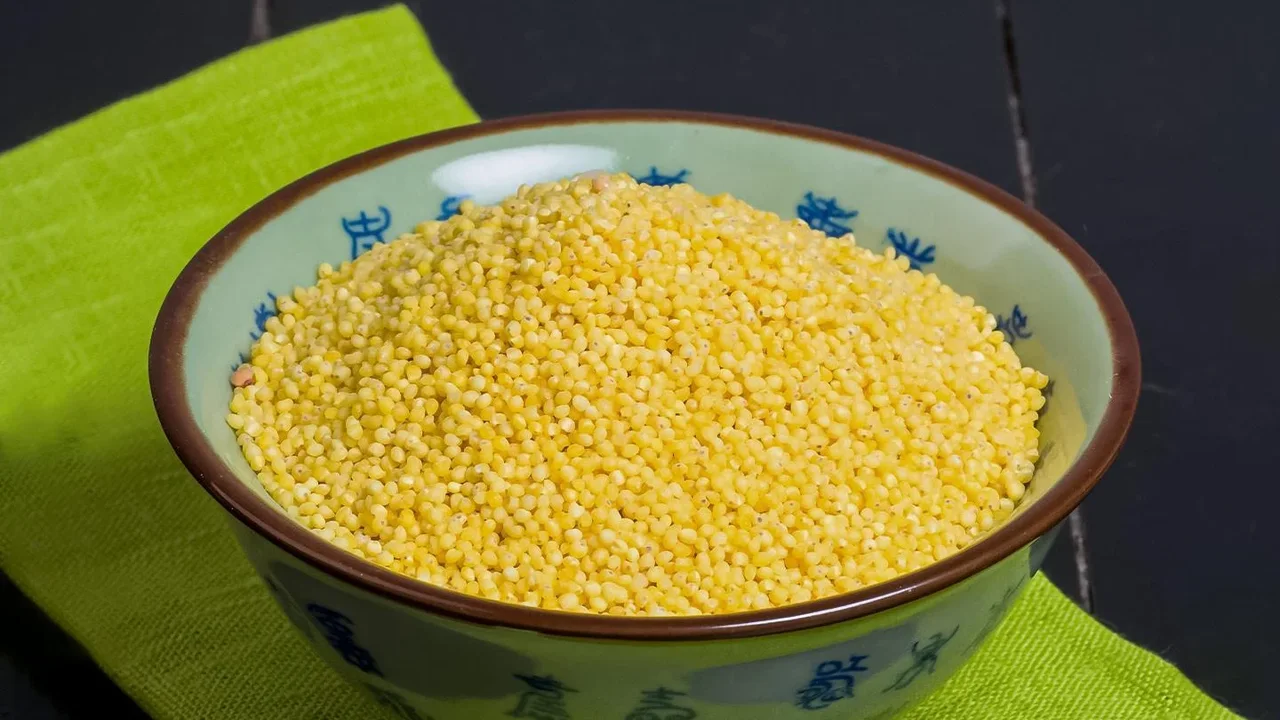
The Power of Pearl Millet
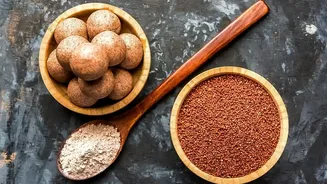
Before we get to baking, it's worth knowing why bajra is such a powerhouse ingredient. This ancient grain is naturally gluten-free and packed with nutrients. It is exceptionally high in dietary fibre, which aids digestion, helps you feel full longer,
and can contribute to managing blood sugar levels. Bajra is also a good source of protein, magnesium, iron, and antioxidants, making it beneficial for heart health and overall energy. Its slightly nutty, earthy flavour provides a wonderful base for both sweet and savoury baked goods, adding a rustic depth that you won't get from refined flours.
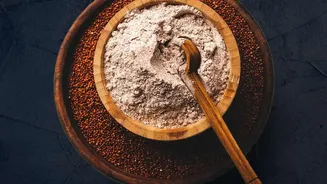
Understanding Bajra Flour in Baking
The key to success with bajra is understanding that it doesn't behave like wheat flour (maida or atta). Because it's gluten-free, it lacks the protein that provides structure and elasticity in traditional baking. This means you can't simply swap it 1:1 in your favourite cake recipe and expect the same results. Bajra flour is denser and absorbs more moisture. Baked goods made solely with bajra can turn out dry and crumbly. But don't let that discourage you! The secret shared by many home cooks is to start by blending flours. A good starting point is to substitute 25% of the regular flour in a recipe with bajra flour and see how you like the texture.
The Secret to Softness and Moisture
To counteract the natural density of bajra, moisture is your best friend. Gluten-free flours are thirsty, so you'll often need to increase the liquid in your recipe. Ingredients like yoghurt, mashed bananas, applesauce, or an extra egg can add moisture and help bind the batter together. Letting the batter rest for 20-30 minutes before baking is another pro-tip. This gives the bajra flour time to fully hydrate, which improves the final texture and reduces any potential grittiness. For things like cookies or Nankhatai, using ghee or butter and not over-mixing is crucial to achieving that melt-in-the-mouth feel.
Perfect Pairings for Flavour
Bajra has a distinct, nutty taste that can be beautifully complemented or balanced. Instead of refined sugar, try pairing it with the deep, caramel notes of jaggery or the natural sweetness of dates. These not only enhance the flavour but also align with the goal of making a healthier treat. Spices are also essential. Cardamom, cinnamon, ginger, and even a hint of black pepper work wonderfully with bajra's earthy tones. For savoury bakes like mathri or crackers, ajwain (carom seeds), cumin, and dried fenugreek leaves (kasuri methi) are classic additions that make for an irresistible snack.
Best Bakes for Bajra Beginners
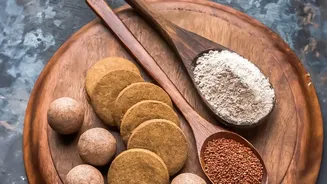
If you're new to baking with bajra, start with recipes where a denser, richer texture is a plus. Cookies, nankhatai, and brownies are excellent starting points. The flour's characteristics lend themselves well to these treats, creating a satisfyingly chewy or crumbly bite. Muffins and dense cakes, like a carrot or banana cake, are also great options, especially when you blend bajra with whole wheat or oat flour. Savoury crackers are another fantastic way to use bajra flour, resulting in a crispy, wholesome snack perfect for tea time. Lighter, airier cakes are more advanced, often requiring a careful blend of different gluten-free flours and starches to achieve lift.
Avoiding Common Pitfalls
A few common issues can trip up first-time bajra bakers. If your treats are too dry and crumbly, you likely need more moisture or fat. Next time, add a splash of milk, a tablespoon of oil, or some yoghurt. If the dough is too sticky to handle, resist the urge to add lots of extra flour. Instead, chilling the dough for 30 minutes can make it much easier to work with. Finally, don't over-mix your batter. Unlike wheat-based recipes where you need to develop gluten, over-mixing bajra batters can make them tough or gummy. Mix just until the ingredients are combined for the best texture.