


The humble spice box is the heart of every Indian kitchen, but recent questions about the purity of black pepper (kali mirch) have raised a bigger concern: how pure are the other spices we use every single day?
The Pepper Problem: More Than Just Spice
Recent attention on kali mirch has brought
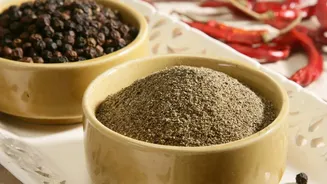
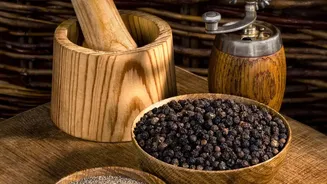
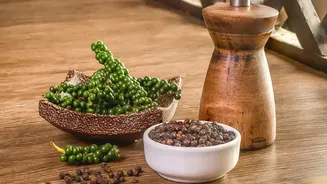
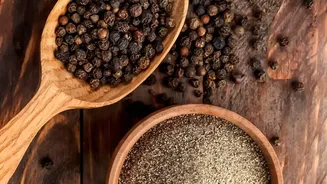
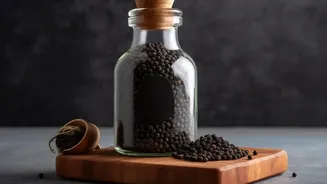
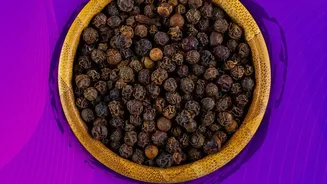
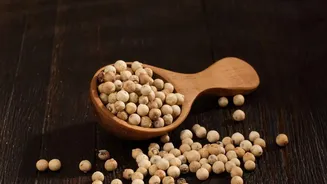
the issue of spice adulteration to the forefront. One of the most common adulterants found in whole black pepper is dried papaya seeds. These seeds are similar in size and appearance, making them a cheap way for unscrupulous sellers to increase volume and profit. While papaya seeds themselves are not toxic and are even consumed for their own properties, their presence in black pepper is a form of deception that cheats the consumer. Another, more concerning, practice is coating peppercorns with mineral oil to give them an artificial shine and extra weight. This not only compromises the quality but can pose health risks. These issues highlight a broader trend that food safety authorities have been tackling. In fact, regulators like the FSSAI have initiated nationwide enforcement drives targeting manufacturers to ensure compliance and weed out such malpractices.
Beyond Pepper: Common Suspects in Your Masala Box
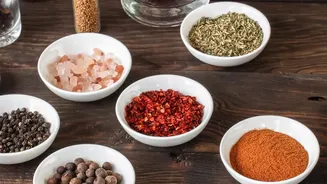
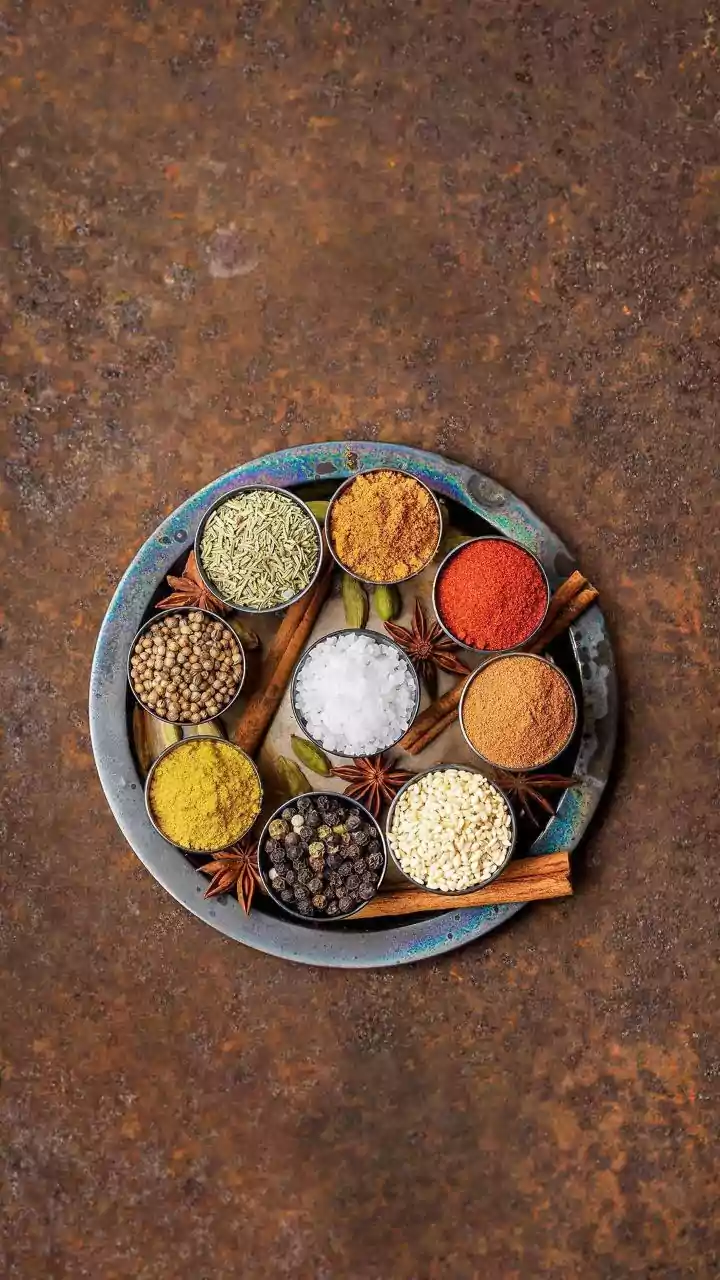
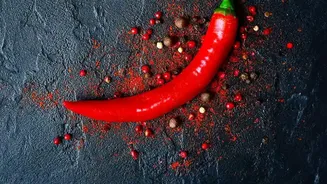
The problem isn't limited to just black pepper. Many of the powdered spices that form the base of our daily cooking are susceptible to adulteration. According to food safety reports, spices are one of the most frequently adulterated food categories. Turmeric (haldi), red chilli powder (lal mirch), and coriander (dhania) powder are repeat offenders. Turmeric's vibrant yellow can be faked with metanil yellow, an illegal dye, or lead chromate, a highly toxic heavy metal used in paints. Red chilli powder is often bulked up with brick powder, sand, or sawdust, and its colour is sometimes enhanced with carcinogenic dyes like Sudan red. Coriander powder can be mixed with sawdust or even powdered horse dung to increase its weight. These adulterants are not harmless fillers; they can lead to a range of health issues, from digestive problems to chronic diseases like liver damage and cancer.
Your Kitchen Lab: Simple Purity Tests
You don't need a professional laboratory to perform a basic check on your spices. India's food regulator, FSSAI, provides a guide called DART (Detect Adulteration with Rapid Test) with simple methods you can use at home. Here are a few reliable ones: Black Pepper (Kali Mirch): To check for papaya seeds, drop a spoonful of peppercorns into a glass of water. Genuine, dense peppercorns will sink, while the lighter papaya seeds will often float to the surface. You can also press them with a finger; real pepper is hard to break, while adulterants may crumble more easily. Turmeric Powder (Haldi): Add a teaspoon of powder to a glass of water without stirring. Pure turmeric will settle at the bottom, leaving the water with a light yellow tint. If it's adulterated with artificial colour, you'll see a strong, bright yellow colour immediately streak through the water. Red Chilli Powder (Lal Mirch): Sprinkle some powder on the surface of a glass of water. Artificial colours will immediately start to bleed into the water in vivid red streaks. To check for brick powder or sand, stir the powder in and let it settle. Rub the sediment at the bottom between your fingers; if it feels gritty, it's a sign of adulteration. Coriander Powder (Dhania): Sprinkle the powder on water. Pure spice will mostly settle, whereas adulterants like fine sawdust and husk will float on the surface.
How to Be a Smarter Spice Shopper
While home tests are useful, the best defence is to buy smart in the first place. Here are some tips to ensure you are getting pure, high-quality spices: Buy Whole Spices: Whenever possible, buy whole spices like peppercorns, coriander seeds, and dried chillies, and grind them at home in small batches. It's much harder to adulterate a whole spice than a powder. Choose Reputable Brands: Opt for well-known brands that follow stringent quality checks. Avoid buying loose spices from unverified sellers, as they are much more likely to be adulterated. The Maharashtra FDA, for instance, has even banned the sale of loose spice powders to curb this issue. Read the Label: Always check for a valid FSSAI license number on the packaging. Look for a clear manufacturing date, expiry date, and batch number. Brands that are transparent about their sourcing and processing methods are generally more trustworthy. Be Wary of 'Too Good to Be True': Unusually bright or vibrant colours can be a red flag for artificial dyes. Similarly, exceptionally low prices for a spice that is typically expensive might indicate it has been bulked up with cheaper fillers.