






India's booming metropolises are facing a silent crisis: rapidly falling groundwater levels. As concrete jungles expand, a centuries-old solution is being rediscovered. Reviving neglected city lakes is emerging as a powerful, nature-based strategy.
The Groundwater Crisis Below Our Feet
For
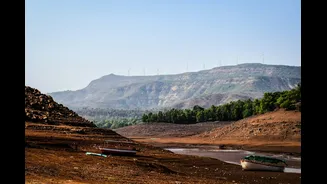
decades, growing Indian cities have quenched their thirst by relentlessly drawing from underground aquifers. This over-extraction, combined with rampant concretization that prevents rainwater from seeping into the soil, has led to a sharp decline in groundwater levels. In cities like Ahmedabad, groundwater has been dropping by 2-4 meters annually. This isn't just an environmental issue; it's a direct threat to water security for millions. When municipal supplies falter, it is these underground reserves that homes, hospitals, and industries depend on. The 2019 water crisis in Chennai, a city that nearly ran out of water, was a stark reminder of what happens when these natural reserves are depleted and water bodies are neglected.
How Lakes Act as Urban Sponges
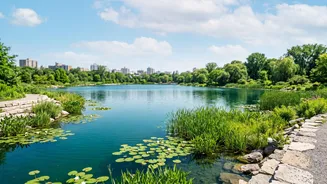
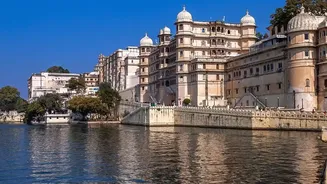
A healthy lake is much more than just a picturesque water body; it functions as a giant natural sponge. When a lake is desilted and its bed is permeable, it holds rainwater and allows it to slowly percolate deep into the ground, recharging the underground aquifers. This process is vital. Unfortunately, a majority of urban lakes in India have been degraded. Many have become dumping grounds for untreated sewage and industrial waste, while others have been encroached upon for real estate development. Polluted and silt-filled lakes lose their ability to absorb water, turning into stagnant cesspools that contribute little to groundwater. Restoring them means clearing out the accumulated silt and stopping the inflow of sewage, allowing the lake to breathe and perform its natural recharge function once again.
Bengaluru's Blueprint for Revival
Bengaluru, once famed as the 'City of a Thousand Lakes', has lost a significant number of its water bodies to urbanization. However, it has also become a hub for lake restoration, driven by both citizen groups and government initiatives. The revival of lakes like Jakkur and Kaikondrahalli has demonstrated tangible results. Studies by the Indian Institute of Science have shown that restored lakes in the city can increase local groundwater levels significantly. For instance, the Jakkur lake, which receives treated wastewater that undergoes further natural cleaning in a constructed wetland, has not only improved its own water quality but also positively impacted the surrounding water table. These projects prove that even in densely populated urban cores, ecological restoration is possible and effective.
Delhi's Ambitious 'City of Lakes' Project
In Delhi, the government's 'City of Lakes' project is showing remarkable success in battling groundwater depletion. The initiative involves reviving defunct water bodies and creating new artificial lakes, often filling them with treated wastewater from sewage treatment plants (STPs). A survey by the Centre for Science and Environment (CSE) found significant rises in the water table in areas with revived lakes. At Pappankalan in South West Delhi, the groundwater level rose from 21.8 meters below ground to just 6 meters after two lakes were revived. By channelling treated effluent that would otherwise be wasted into these lakes, the city is creating a sustainable, yearndround system for groundwater recharge.
More Than Just Water
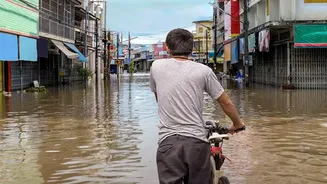
The benefits of reviving urban lakes go far beyond just refilling aquifers. These restored ecosystems bring back biodiversity, with migratory birds and native fish populations making a return. They act as crucial green lungs and recreational spaces for communities, improving quality of life. Healthy water bodies also help mitigate the 'urban heat island' effect, making surrounding areas cooler. Furthermore, they serve as natural buffers during heavy monsoons, absorbing excess rainwater and reducing the risk of urban flooding—a problem that has plagued cities like Chennai and Hyderabad due to the loss of their natural wetlands.