




Understanding the Spectacle
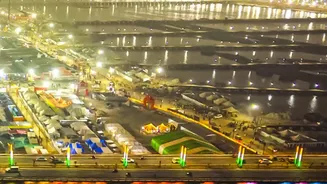
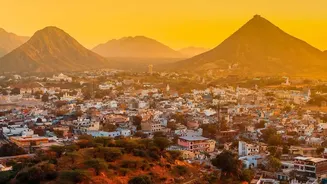
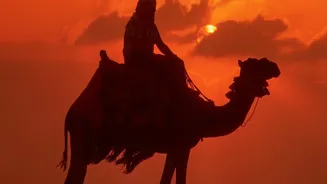
The Pushkar Mela, or Pushkar Camel Fair, is one of the world's largest livestock fairs, but it's much more than that. It's a vibrant blend of two distinct events: a centuries-old tradition of camel, horse, and cattle trading, and a major Hindu pilgrimage.
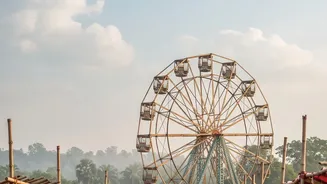
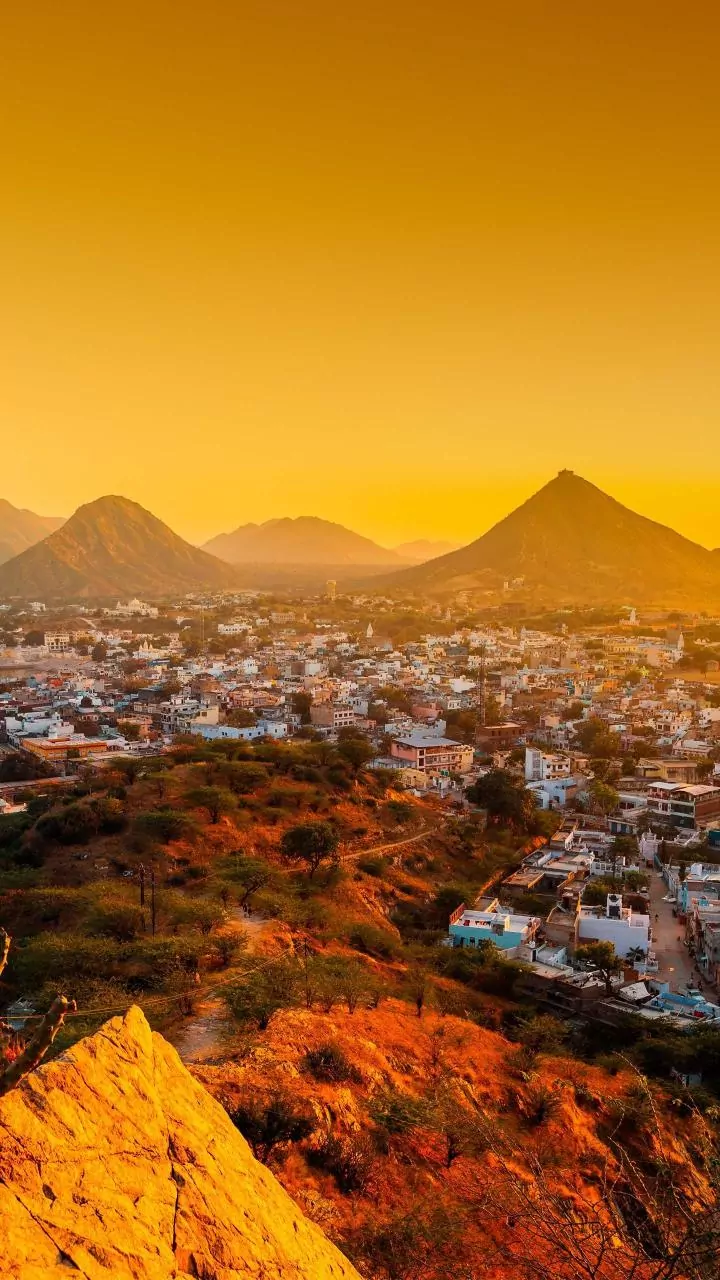
The fairgrounds come alive with herders and traders, while the town's sacred lake and its 52 bathing ghats become the focus for pilgrims, especially towards the full moon day of Kartik Purnima. This unique combination of commerce and spirituality creates an atmosphere unlike any other, packed with cultural performances, folk music, and unique competitions.
Mark Your Calendar: 2026 Dates
The Pushkar Mela follows the Hindu lunar calendar, so the dates change annually. For 2026, the fair is scheduled to run from November 17 to November 24. The event culminates on Kartik Purnima, the auspicious full moon night on November 24, when pilgrims take a holy dip in Pushkar Lake. The fair can be divided into two phases: the initial days (roughly Nov 17-20) are dominated by livestock trading, offering the most authentic glimpse into the fair's origins. The later days (Nov 21-24) see a rise in cultural events, competitions, and pilgrim arrivals, making the crowds much denser.
How to Get There
Pushkar does not have its own airport or railway station. The most common route is to travel to Ajmer, the nearest major city. The Ajmer Junction railway station (AII) is well-connected to cities like Delhi, Mumbai, and Jaipur. From Ajmer, it's a 15 km journey to Pushkar, which can be covered by taxi or a local bus in about 30-45 minutes, though expect traffic delays during the fair. The nearest major airport is in Jaipur (JAI), about 145 km away. From Jaipur, you can hire a private car for the three-hour drive or take a bus to Ajmer and then proceed to Pushkar.
Booking Your Stay Ahead of Time
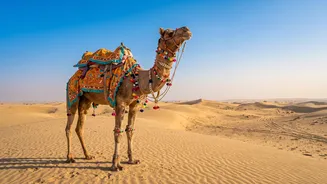
Accommodation during the Pushkar Mela is in high demand and prices can rise significantly. It is crucial to book your stay several months in advance. Options range from luxury desert camps and heritage hotels to budget-friendly guesthouses. Staying within walking distance of the fairgrounds is convenient for early morning visits and avoiding traffic. Many visitors also opt to stay in nearby Ajmer, which offers more options and can be a quieter retreat from the festival's intensity. For a unique experience, consider one of the many luxury tented camps set up in the dunes, offering comfort amidst the desert landscape.
Must-See Events and Experiences
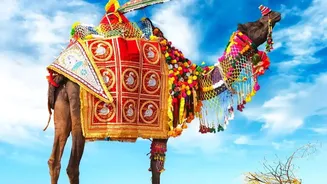
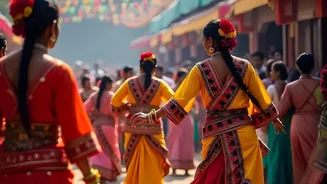
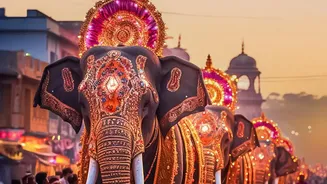
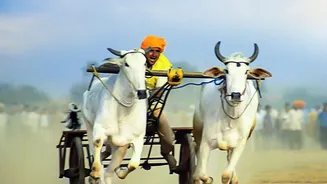
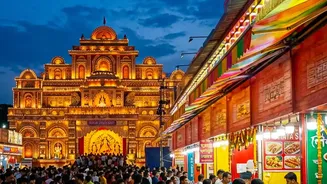
The fair offers a dazzling array of activities. Early mornings are perfect for photographers, with soft light and the sight of hot air balloons rising over the dunes. Don't miss the livestock events, including camel decoration and races. The cultural program often features folk dances like Kalbelia and Ghoomar, and unique contests for the longest moustache. In the evenings, the focus shifts to the sacred Pushkar Lake, where the Maha Aarti ceremony at the ghats is a mesmerizing sight. Wandering through the bustling handicraft bazaar is also a must, offering everything from Rajasthani textiles to silver jewellery.
A Guide to the November Crowds
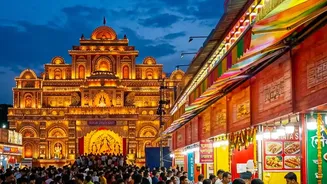
The energy of the crowd is part of the experience, but it can be intense. To make the most of your visit, go to the fairgrounds early in the morning (around sunrise) or later in the afternoon to avoid the peak rush and heat. Be mentally prepared for slow movement and embrace the chaotic flow. Keep your valuables secure and be aware of your surroundings, especially in densely packed areas. It's wise to carry sufficient cash, as many local vendors and stalls will not accept cards, and ATMs can have long queues or run out of money. Staying hydrated is essential, so carry a water bottle with you.