








Embrace the Frozen Aisle
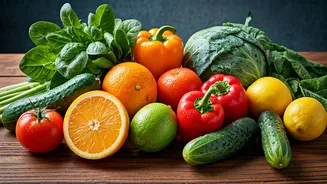
Forget the myth that fresh is always best. Frozen fruits and vegetables are picked and flash-frozen at peak ripeness, locking in nutrients that can otherwise degrade during shipping and storage. They are significantly cheaper than their fresh counterparts,
especially for out-of-season produce, and they last for months, eliminating food waste from forgotten produce in your crisper drawer. A bag of frozen spinach, berries, or broccoli can be the foundation for countless healthy and affordable meals, from smoothies to stir-fries, ensuring you get your vitamins without breaking the bank.
Make Your Body the Gym
A gym membership can be one of the biggest health-related expenses, but your body is a powerful and free piece of workout equipment. Bodyweight exercises like push-ups, squats, lunges, planks, and glute bridges require zero gear and can be done anywhere. Combine them into a circuit for an effective strength and cardio workout. Furthermore, don't underestimate the power of walking. It's a low-impact, accessible exercise with proven benefits for cardiovascular health, mood, and joint mobility. Find a local park, explore your neighborhood, or even walk in place while watching TV—the goal is movement, not a specific location.
Prioritize Sleep Hygiene
The single most impactful and utterly free thing you can do for your health is to get enough quality sleep. Sleep deprivation is linked to a host of problems, including weight gain, a weakened immune system, and poor mental health. Improving your sleep costs nothing. Establish a consistent sleep schedule, even on weekends. Create a cool, dark, and quiet bedroom environment. Avoid screens for at least an hour before bed, as the blue light can interfere with melatonin production. A good night's sleep regulates appetite hormones, improves recovery, and sharpens your mind—all for free.
Hydrate with Tap Water
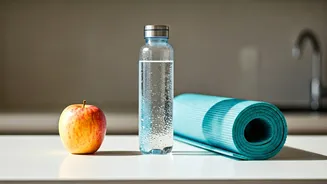
The market for bottled water, enhanced seltzers, and sugary sports drinks is massive, but in most parts of the U.S., the safest, cheapest, and most effective hydrator comes right out of your tap. Drinking enough water is crucial for energy levels, skin health, and cognitive function. Carry a reusable water bottle with you everywhere you go to avoid the temptation of buying pricey beverages. If you find plain water boring, infuse it with a few slices of lemon, cucumber, or a sprig of mint for a refreshing twist at a fraction of the cost of a commercial drink.
Cook More Than You Eat
The cost of takeout and restaurant meals adds up quickly and often comes with hidden salt, sugar, and unhealthy fats. The most powerful strategy to combat this is simple: cook at home. To make it sustainable, practice the art of meal prepping. You don't need to spend all Sunday cooking; start small. While making dinner, double the recipe and pack the leftovers for lunch the next day. Cook a large batch of a versatile base like brown rice, quinoa, or roasted vegetables to use in different meals throughout the week. This saves time, reduces stress on busy weeknights, and gives you complete control over your ingredients and budget.
Tend to Your Mind for Free
Mental health is a cornerstone of overall well-being, and many of the most effective tools are free. Spending time in nature, even a city park, has been shown to reduce stress and anxiety. Practices like journaling can help you process thoughts and emotions without any special equipment—all you need is a pen and paper or a notes app. Simple mindfulness exercises, like focusing on your breath for two minutes, can calm your nervous system. Many free apps and online resources also offer guided meditations and breathing exercises, providing accessible support whenever you need it.