






Why Waterlogging Harms Your Soil
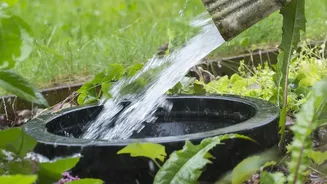
Healthy soil is teeming with billions of microscopic organisms, including bacteria, fungi, and protozoa. Most of the beneficial ones are aerobic, meaning they need oxygen to survive. When your raised bed becomes waterlogged, water fills all the air pockets
in the soil. Within just 24 to 72 hours, the oxygen is depleted, leading to a massive die-off of these helpful microbes. In their place, anaerobic microbes, which thrive without oxygen, take over. These organisms can produce substances that are toxic to plant roots and are responsible for the unpleasant, sour smell you might notice coming from saturated soil. This shift disrupts the entire soil food web, hindering nutrient cycling and making it impossible for plants to thrive.
Step 1: First Aid—Drain and Aerate
Before you can add life back into your soil, you must first address the underlying issue: excess water and compaction. First, stop watering completely. For raised beds, ensure the drainage holes at the bottom are not blocked. If they are, clear them to allow trapped water to escape. Once the soil is no longer muddy and is just damp to the touch, it's time to gently aerate. Use a garden fork or a small hand tool to carefully poke holes into the top few inches of the soil. Be gentle to avoid damaging any surviving plant roots. This simple action reintroduces oxygen into the top layer, creating a more welcoming environment for the beneficial microbes you are about to add.
Step 2: Add a Foundation of Rich Compost
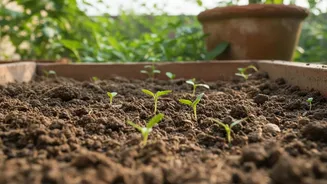
Compost is the single most important ingredient for soil recovery. It's a two-for-one solution: it provides the organic matter that improves soil structure and drainage, and it comes loaded with a diverse population of the very microbes you need to re-establish. After aerating, apply a layer of good-quality, mature compost, about one to two inches thick, over the entire surface of the raised bed. You can gently work it into the top inch of soil or simply leave it as a top dressing. This infusion of organic material will serve as food for the new microbial community and help prevent the soil from becoming compacted again.
Step 3: Supercharge with Vermicompost
To give your soil an even more potent boost, consider adding vermicompost, also known as worm castings. Vermicompost is prized by gardeners for being exceptionally rich in bio-available nutrients and beneficial microorganisms. The digestive process of worms creates a soil amendment that is teeming with enzymes and bacteria that promote plant health and growth. Because it's so concentrated, you don't need much. Sprinkle a thin layer over your compost or mix a handful into the planting hole when you add new plants. Think of it as a probiotic super-food for your recovering soil.
Step 4: Consider a Microbial Inoculant
For severely damaged soil, or if you want to speed up the recovery process, you can use a microbial inoculant. These are commercially available products that contain specific, high-concentration blends of beneficial microorganisms, such as nitrogen-fixing bacteria, phosphate-solubilizing fungi like Trichoderma, and other plant-growth-promoting microbes. Available in India as powders or liquids, these 'bio-fertilizers' can be mixed with water and applied directly to the soil. They provide a targeted dose of helpful organisms that can quickly colonize the plant root zone, improve nutrient uptake, and outcompete any lingering harmful microbes.
Step 5: Protect with an Organic Mulch
Finally, after you've amended the soil, apply a one to two-inch layer of organic mulch on top. Materials like dried leaves, straw, or wood chips work well. Mulch serves several critical functions. It protects the soil surface from the impact of heavy rain, preventing compaction. It helps regulate soil moisture, keeping it from drying out too quickly but also absorbing excess surface water. Most importantly, as the organic mulch slowly breaks down, it provides a continuous food source for the newly established microbial community, ensuring the long-term health and resilience of your raised bed ecosystem.