



The Rise of a Conscious Kitchen
In India, food waste is a significant challenge, with a large portion of produce lost before it ever reaches our plates. This has sparked a powerful movement towards a more circular economy in food. Enter upcycling: the clever process of transforming
food by-products that would normally be discarded into new, high-quality products. Rather than letting valuable nutrients go to waste, innovators are finding ways to give them new life. This concept isn't entirely new to Indian culture, where a 'root-to-stem' philosophy has traditionally made use of every part of a plant, from vegetable peels to fruit seeds. The upcycling trend is now bringing this age-old wisdom into the mainstream, with jackfruit seeds emerging as a prime example of waste turned into wealth.
From Overlooked Seed to Superfood Flour
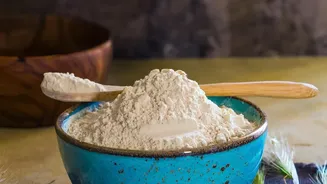
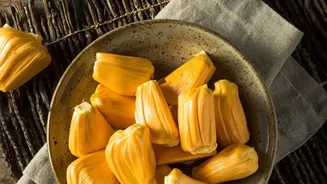
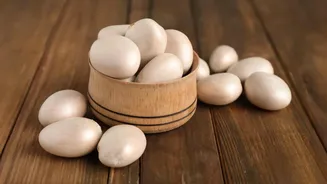
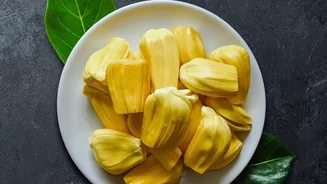
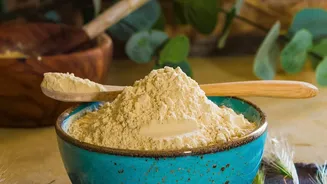
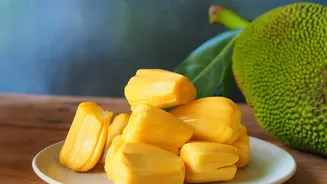
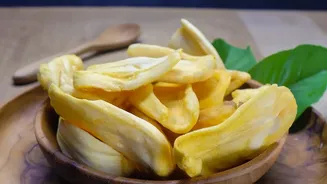
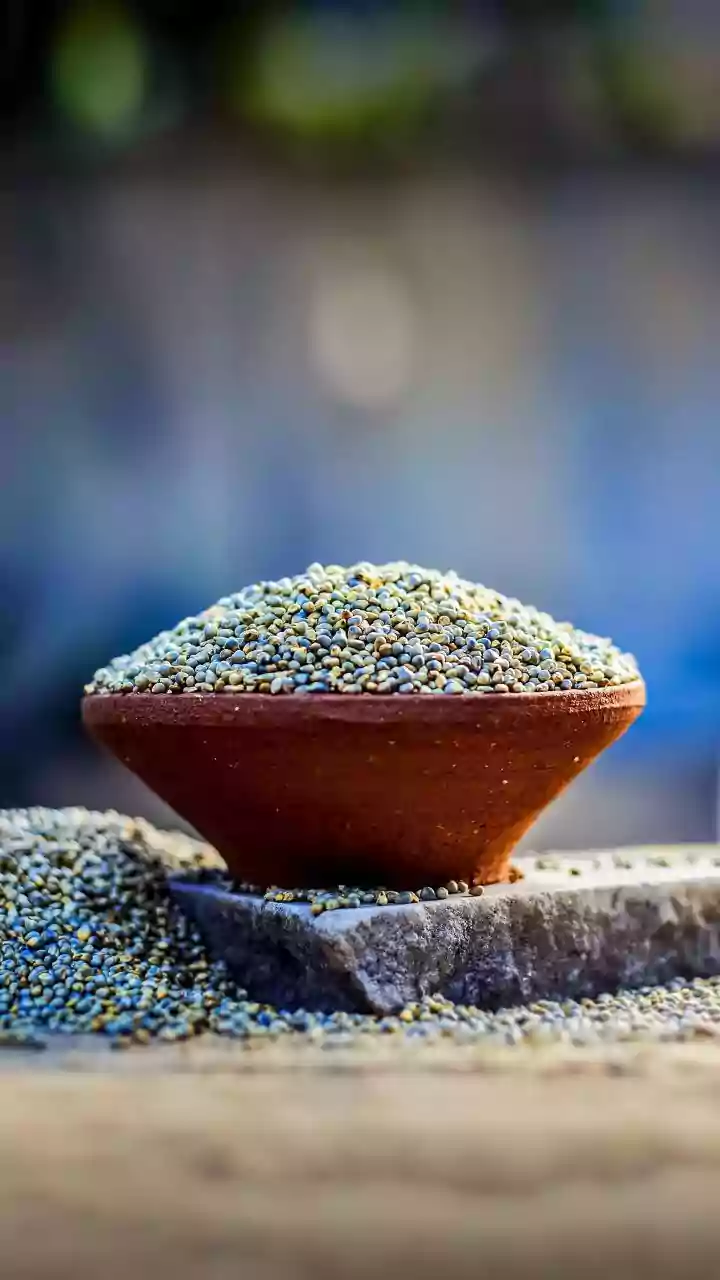
Jackfruit is celebrated for its fleshy pods, a popular meat substitute, but its seeds—which make up about 15% of the fruit's weight—are frequently thrown away. This not only contributes to environmental waste but also overlooks a nutritional goldmine. Upcycling transforms these seeds through a simple process of cleaning, boiling, drying, and grinding them into a fine, versatile powder. This creates jackfruit seed flour, a product that captures all the inherent goodness of the seeds. The process is a win-win, reducing food waste while creating a new, valuable ingredient for both home cooks and the food industry. Companies in India and across Asia are now beginning to market this flour, tapping into a growing consumer demand for sustainable and healthy products.
A Nutritional Powerhouse
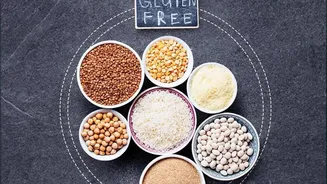
One of the biggest drivers of jackfruit seed flour's popularity is its impressive nutritional profile. It is naturally gluten-free, making it a fantastic alternative for those with celiac disease or gluten sensitivity. The flour is packed with protein, containing more than many other gluten-free options like rice or tapioca flour. It's also a rich source of dietary fibre and resistant starch, which are excellent for gut health, helping to feed beneficial bacteria and aid digestion. Furthermore, the seeds contain essential minerals like iron, potassium, and magnesium, along with B-vitamins such as thiamine and riboflavin. This nutrient density makes it a powerful ingredient for enriching everyday meals and combating malnutrition.
Good for the Planet, Good for Farmers
The environmental benefits of using jackfruit seed flour are substantial. By utilizing a part of the fruit that is often discarded, upcycling helps reduce the amount of organic waste sent to landfills, which in turn cuts down on greenhouse gas emissions. This practice aligns with a zero-waste philosophy, making full use of agricultural resources. Beyond the environmental impact, it creates new economic opportunities. It provides farmers with an additional source of income from what was previously considered waste, improving their livelihoods and supporting local economies in jackfruit-growing regions. This sustainable approach makes choosing jackfruit seed flour an act of conscious consumerism.
How to Use It in Your Kitchen
Jackfruit seed flour has a mild, slightly nutty flavour that allows it to blend seamlessly into a variety of dishes. Its versatility is a key reason for its growing appeal. You can substitute a portion of regular flour (studies suggest starting with 25%) in recipes for rotis, bread, muffins, and cookies to boost their nutritional content. Its natural starchiness also makes it an excellent thickening agent for soups, curries, and sauces, adding nutrients where other thickeners might just add empty calories. Because it holds moisture well, it can help improve the texture of gluten-free baked goods, preventing the dryness that sometimes plagues them. From high-protein pancakes to nutritious energy bars, the possibilities are vast.