







The Aftermath of a Hard Workout
During intense strength training, your muscles work incredibly hard. This effort creates microscopic tears in muscle fibres, which is a normal part of the process that leads to growth and increased strength. However, this process also generates metabolic
byproducts. These aren't toxins, but rather natural substances like lactate and hydrogen ions that accumulate in the muscles. While lactate itself doesn't cause the delayed onset muscle soreness (DOMS) you feel a day or two later, its presence is a key indicator of metabolic stress. The efficient removal of these byproducts is a crucial first step in allowing your muscles to repair and recover effectively.
Turning Up the Heat on Recovery
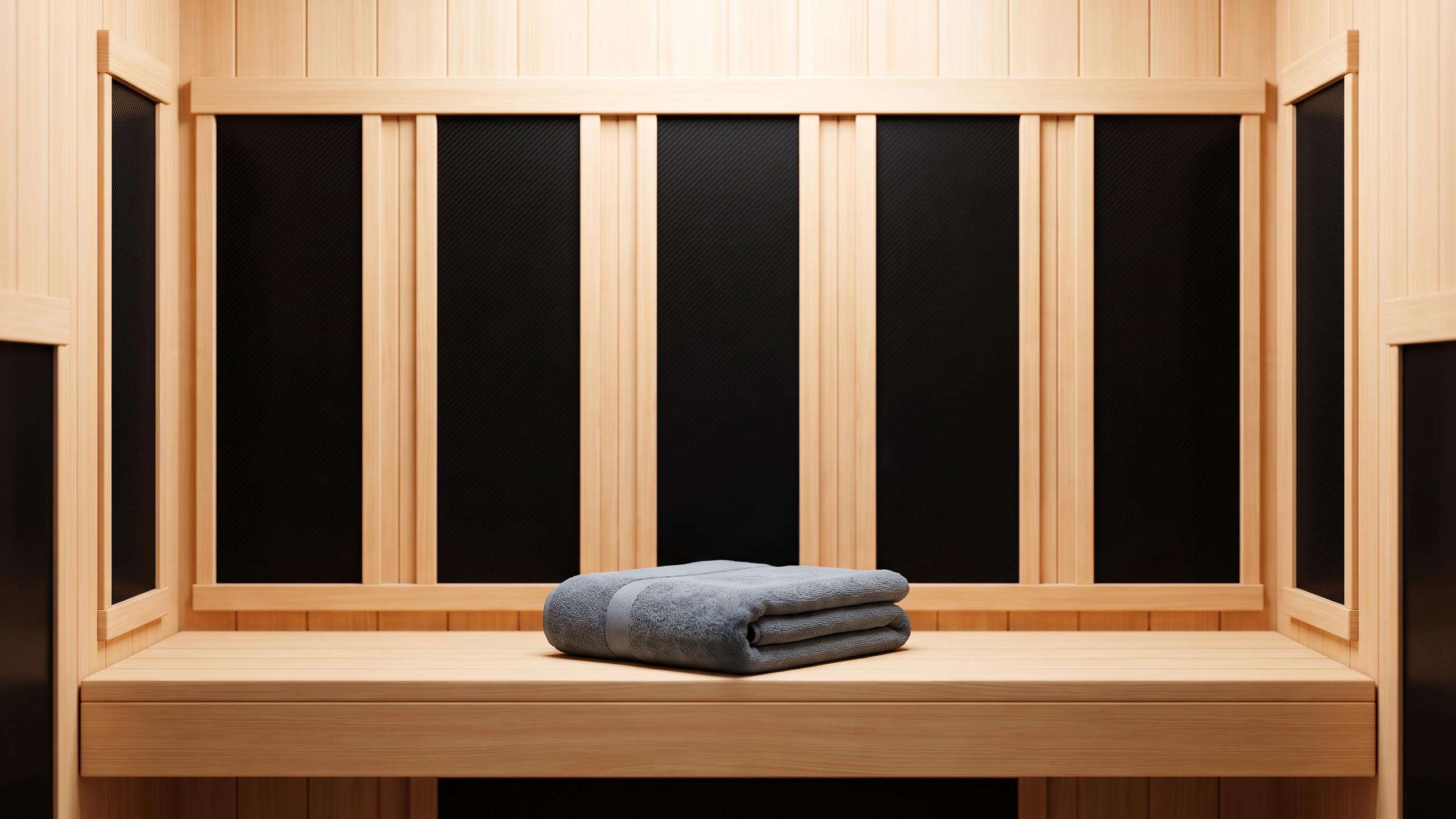
This is where passive heat exposure, such as a session in a sauna or a hot bath, comes into play. The primary mechanism at work is called vasodilation. The external heat encourages the blood vessels throughout your body to widen, or dilate. This simple physiological response has a powerful effect: it significantly increases blood flow. Think of it like opening up all the motorways for rush hour traffic. This surge in circulation delivers a fresh supply of oxygen and essential nutrients to your fatigued muscles, which they desperately need for repair.
Flushing Out the Waste
That same enhanced blood flow also works in the other direction. The increased circulation acts like a flushing mechanism, helping to transport the accumulated metabolic byproducts away from the muscle tissue and into the bloodstream, where they can be processed and cleared by the body. By facilitating the removal of substances like lactate, heat therapy helps return the muscles to a more balanced state, paving the way for the repair and adaptation process to begin in earnest. This is why a post-workout sauna can leave you feeling less stiff and more mobile.
Your Guide to Heat-Based Recovery
To get the most out of heat therapy, timing and method matter. It's best used for general muscle soreness rather than acute injuries like sprains, where cold is preferred. Wait until after your workout and cool-down are complete. Popular methods include dry saunas, infrared saunas, steam rooms, and hot baths. A session of 15 to 20 minutes is a great starting point. The goal is to feel comfortably warm and relaxed, not to endure a marathon session. Most importantly, listen to your body and stay hydrated. The sweating involved will cause you to lose fluids and electrolytes, so be sure to drink plenty of water before, during, and after.
More Than Just a Flush
While clearing metabolic waste is a key benefit, the advantages of passive heat don't stop there. Research shows that heat exposure can significantly reduce the discomfort of DOMS. The warmth helps relax tense muscles and can improve tissue flexibility. Furthermore, heat can stimulate the release of heat shock proteins, which play a role in cellular repair and resilience. On a larger scale, some studies suggest that regular sauna use can even trigger the release of growth hormone, which is vital for muscle repair and growth, essentially amplifying the positive effects of your workout.