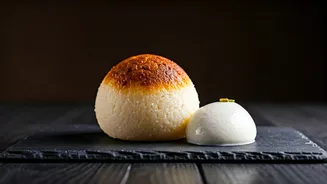



The Rise of Baked Rasgulla
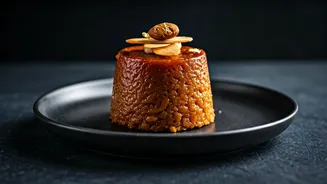
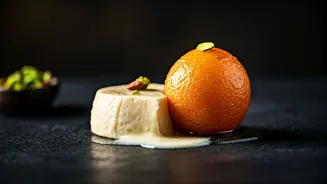
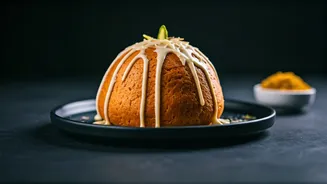
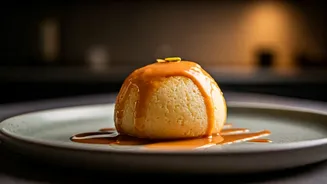
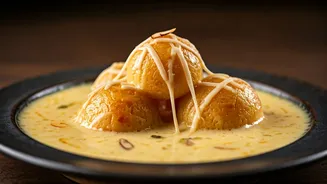
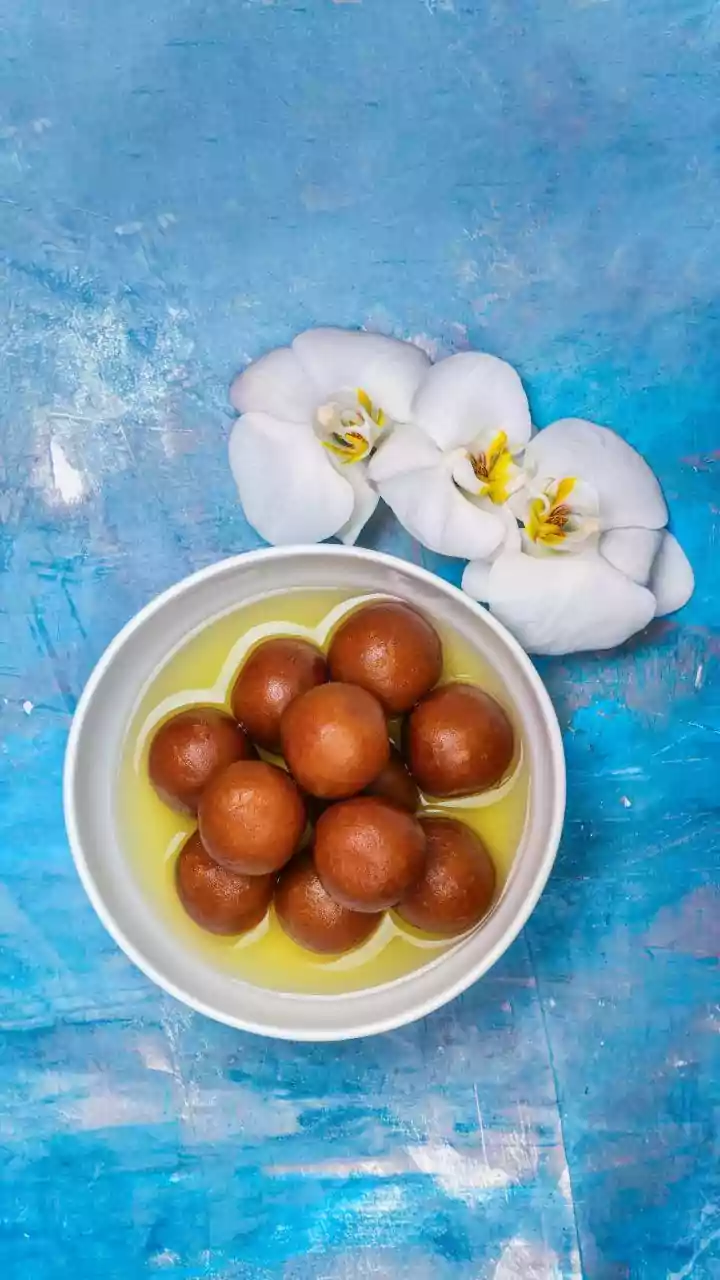
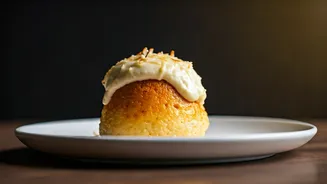
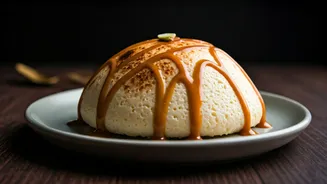
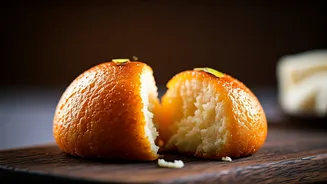
Before we get to the cheese, let's talk about the star: baked rasgulla. This isn't the classic, syrup-drenched sweet we all know. This version takes those spongy chenna dumplings, squeezes out the excess syrup, and bakes them in a rich, thickened milk
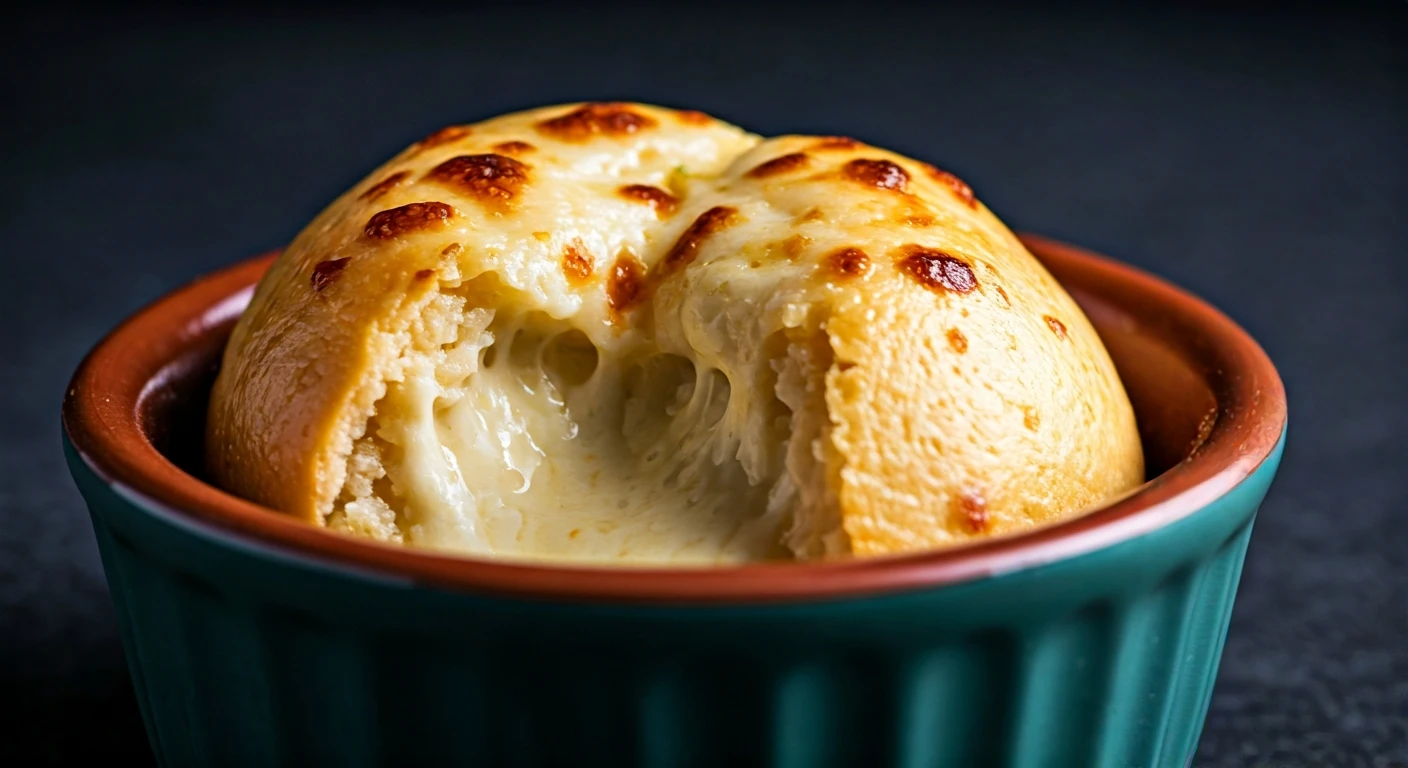
mixture often made with condensed milk, cream, or khoya. The result is a dessert with a beautifully caramelised, slightly crusty top and a soft, creamy interior that absorbs the rich milk base. Popularised by sweet shops in Bengal, this dish has become a sensation for its delightful textural contrast and has been described as a heavenly mash-up of rasgulla, rasmalai, and shahi tukda. It’s a semi-homemade dream, often made using store-bought rasgullas for a quick yet impressive dessert for parties and festivals.
But… Why Cheese?
Now for the controversial part. Pairing this divine sweet with cheese might sound like a culinary crime to traditionalists, but it taps into a universal flavour principle: the magic of sweet and salty. Think of salted caramel, prosciutto with melon, or apple pie with a sharp cheddar slice. The fat and salt in cheese can cut through sweetness, balance flavours, and create a more complex and memorable taste experience. The current wave of Indian fusion food is all about fearless combinations, blending traditional spices and techniques with global ingredients. Dishes like masala mac and cheese, tandoori pizza, and gulab jamun cheesecake have paved the way for more adventurous palates. In this context, pairing a milky, caramelised dessert with a complementary cheese isn't just a random act; it's part of a larger culinary movement embracing creative fusion.
Your Guide to Pairing Cheese with Baked Rasgulla
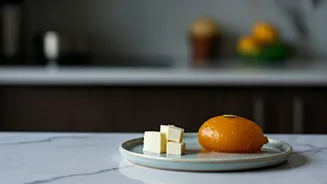
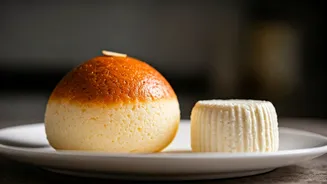
Curious enough to try it? The key is to choose cheeses that complement rather than overpower the delicate, milky sweetness of the baked rasgulla. Here are a few pairings that work surprisingly well: Fresh Chèvre (Goat Cheese): The bright, tangy notes of a fresh, creamy goat cheese provide a fantastic contrast to the rich, caramelised milk. A small dollop alongside a warm spoonful of baked rasgulla can be a revelation, balancing the sweetness with a zesty kick. Cream Cheese or Mascarpone: This is the safest and most intuitive pairing. In fact, some baked rasgulla recipes already incorporate paneer or cream cheese in the rabri-like sauce. A smooth, mild cream cheese or mascarpone simply enhances the dessert's inherent creaminess, adding a subtle tang and luxurious texture. Mild Brie or Camembert: A soft-ripened cheese with a buttery, lush profile can be a wonderful partner. The earthy notes of a mild Brie can stand up to the sweetness without clashing, offering a gooey, decadent counterpoint, especially when the dessert is served warm. Aged Gouda: For the more adventurous, a shard of aged Gouda could be an exciting choice. These cheeses have sweet, almost caramel-like notes and hints of toasted nuts, which would echo the caramelised top of the baked rasgulla beautifully. The slight saltiness provides a sophisticated balance.
How to Try it at Home
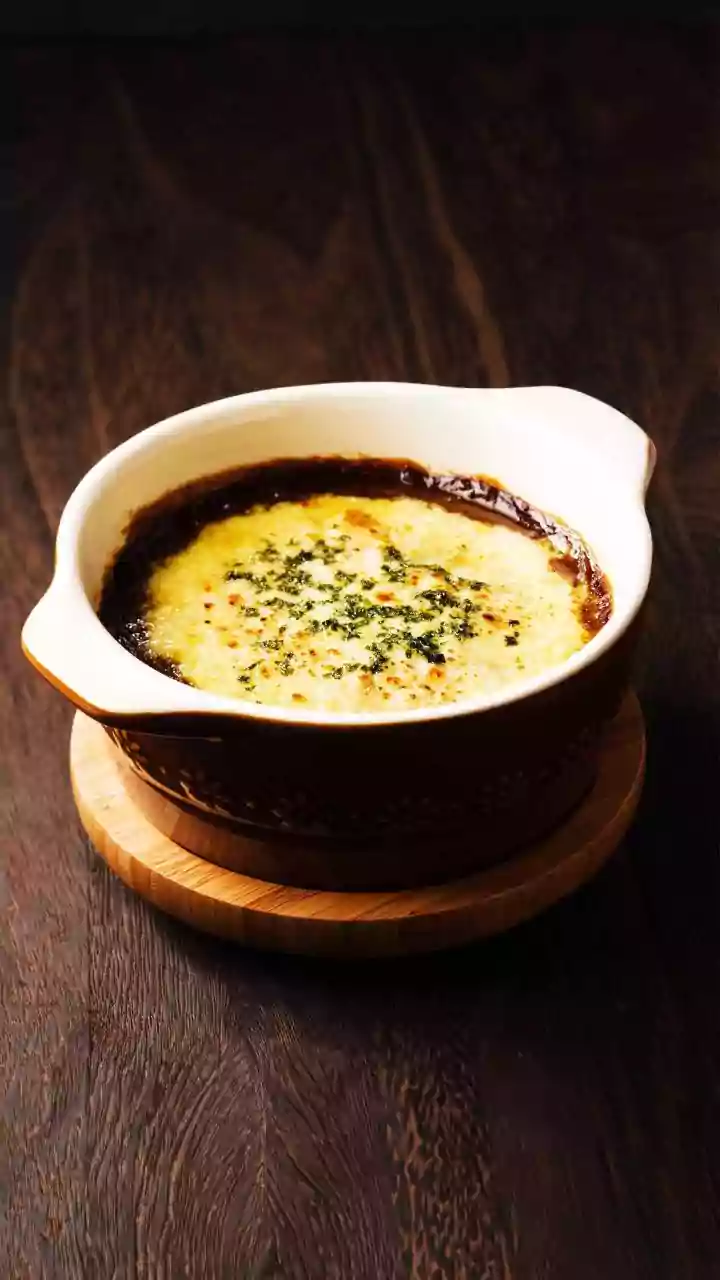
Creating this trend at home is simpler than it sounds. Start with a good quality baked rasgulla, either homemade or from a trusted local sweet shop. To make it yourself, you simply need canned rasgullas, a can of condensed milk, and some full-fat milk or mawa. After squeezing the syrup from the rasgullas, you arrange them in a baking dish, pour over a mixture of condensed milk and thickened milk, and bake at a high temperature until the top is golden brown and bubbling. When it comes to the cheese, the best way to serve it is on the side. Arrange a small board with a few of the suggested cheeses, allowing you and your guests to experiment. You can offer small slivers of cheese to be eaten with a bite of the rasgulla. This “build-your-own-adventure” approach makes it a fun, interactive, and less intimidating way to experience the trend.