




Kayaking: An Upper-Body and Core Powerhouse
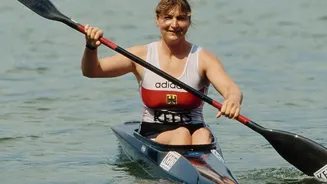
At first glance, kayaking seems like it's all an arm workout. While your arms, shoulders, and back are certainly engaged, the true power in a proper kayaking stroke comes from your core. Many people mistakenly think paddling is just pulling with the arms, but
it’s actually a rotational movement. Each time you plant your paddle in the water, you should be twisting your torso, engaging your obliques and abdominal muscles to drive the boat forward. This makes kayaking an exceptional workout for developing rotational core strength. Your lats, traps, and deltoids do a lot of the pulling work, building significant upper-body strength and endurance over a sustained paddle session. Your legs also play a role; they press against the footrests to provide stability and help transfer power from your core to the paddle.
Paddleboarding: A Full-Body Balancing Act
Stand-up paddleboarding (SUP) offers a more comprehensive, full-body workout. From the moment you stand on the board, your body is working. The unstable surface of the water forces your muscles to constantly make small adjustments to maintain balance. This continuous effort provides a serious workout for your deep core stabilizers, lower back, and all the muscles in your legs—from your glutes and quads down to your feet and ankles. While your lower body and core are in a state of constant engagement, your upper body gets a workout, too. Every paddle stroke engages your shoulders, back, and arms, similar to kayaking. Because you're standing, you can involve more of your body in the stroke, making it a true head-to-toe fitness activity.
The Core Conflict: Rotation vs. Stabilization
When it comes to building core strength, the two sports work in different ways. Kayaking primarily builds rotational strength and power. Think of the twisting motion you use to paddle—this directly targets your obliques and abs, making them stronger through dynamic movement. Stand-up paddleboarding, on the other hand, focuses on core stabilization. Just staying upright on the board is a challenge for your core, forcing it to fire continuously to keep you balanced. This builds endurance and stability in your entire midsection. If your goal is a chiselled six-pack through dynamic exercise, kayaking offers a great path. If you want deep, functional core stability that translates to better posture and balance in all areas of life, SUP has the edge.
Upper Body: Concentrated vs. Comprehensive
If your primary goal is to build a powerful back, shoulders, and arms, kayaking is arguably the more focused choice. The seated position isolates your upper body to a greater degree, meaning your lats, biceps, and triceps do a significant amount of the work with every single stroke. It's a fantastic way to build pulling strength and muscular endurance in your upper half. Paddleboarding also works the upper body, but the effort is distributed more evenly across your entire musculature. Because your legs and core are so heavily involved in balancing, they share the load. This makes SUP a better all-around toner, but kayaking provides a more concentrated upper-body burn.
Lower Body and Balance: A Clear Winner
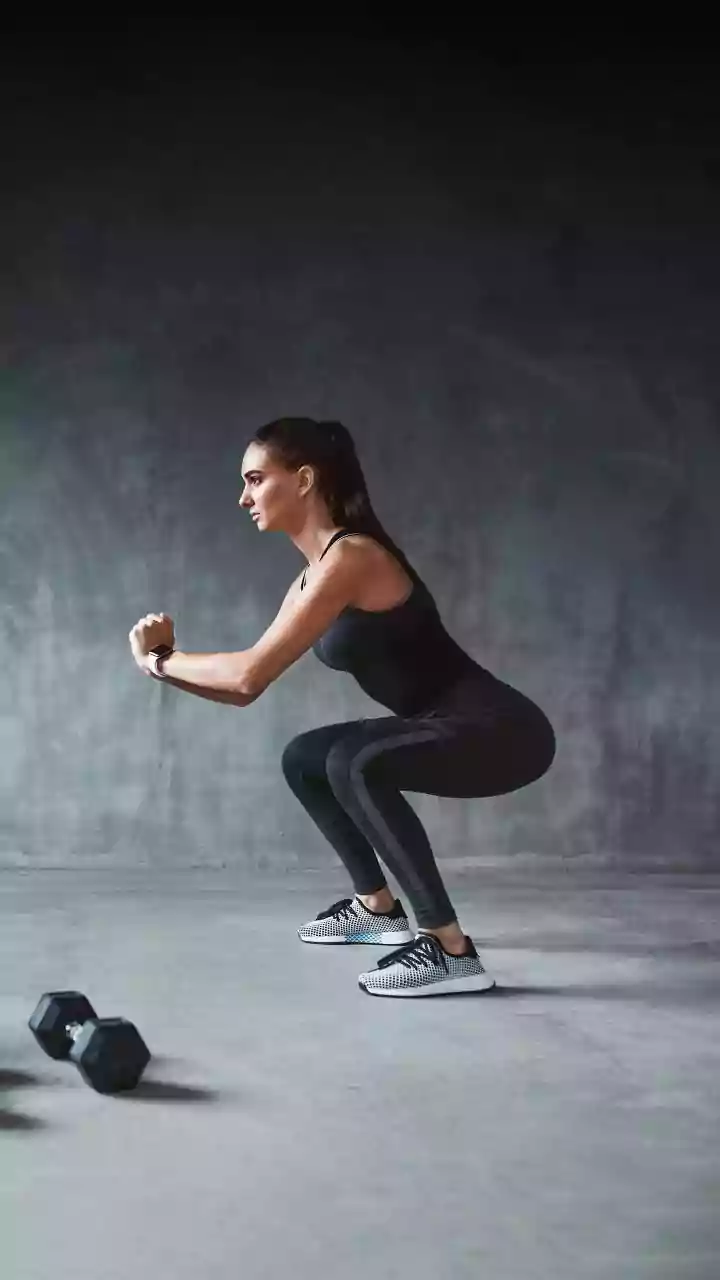
For lower-body strength and improved balance, stand-up paddleboarding is the undisputed champion. Your legs and glutes are constantly working to stabilize you on the board, holding a semi-squat position that builds endurance. This low-impact workout is excellent for strengthening leg muscles without putting stress on your joints. In a kayak, your legs are more passive, primarily used for bracing and balance rather than active strength work. So, if building leg strength or improving your overall balance are high on your priority list, paddleboarding is the way to go.
The Verdict: Which Is Right for Your Goals?
Ultimately, the best choice depends entirely on your personal fitness objectives. Both sports are fantastic, low-impact ways to get stronger and improve cardiovascular health. If you want to focus intensely on building upper body and rotational core power, kayaking is an excellent option. If you're looking for a true full-body workout that challenges your balance, strengthens your legs, and engages your core in a stabilizing role, stand-up paddleboarding is likely the better choice. Paddleboarding also tends to burn slightly more calories per hour due to the engagement of more muscle groups.