






Snake Plant (Sansevieria trifasciata)
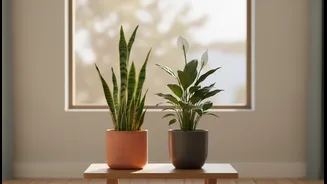
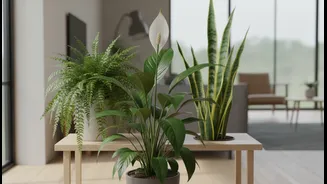
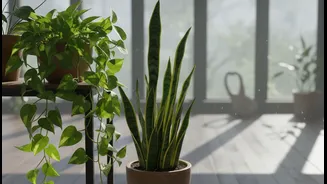
The Snake Plant is a champion of low-maintenance indoor gardening and is perfect for busy Indian households. Its striking, upright leaves are not just architectural beauties; they are also incredibly resilient. This plant tolerates a wide range of conditions,
from low light to bright indirect sunlight, making it adaptable for various spots in your home, like bedrooms or offices. A key benefit for humid weather is its low water requirement. During the monsoon, when air moisture is high, you should water it even less to prevent root rot. It's an excellent air purifier, known to release oxygen at night, making it an ideal bedroom companion.
ZZ Plant (Zamioculcas zamiifolia)
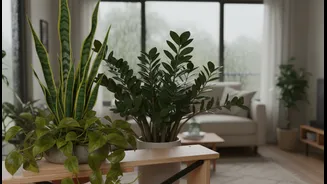
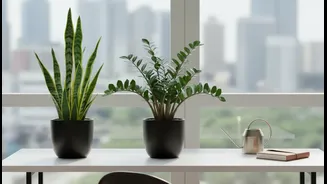
With its glossy, dark green leaves, the ZZ Plant brings a touch of modern elegance to any space. It is famously 'indestructible', making it perfect for beginners or those who travel often. While the ZZ Plant tolerates dry air, it grows best in high humidity and warm temperatures. It stores water in its thick, underground rhizomes, which means it is extremely drought-tolerant and requires infrequent watering—roughly every 2-3 weeks. This plant thrives in low to medium indirect light, making it suitable for hallways or corners that don't get much sun.
Money Plant (Epipremnum aureum / Pothos)
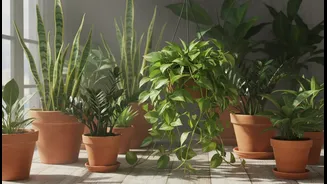
A staple in many Indian homes, the Money Plant is considered a symbol of good luck. It's also incredibly easy to grow. Its heart-shaped leaves on trailing vines look beautiful in hanging baskets or draped over shelves. Pothos is particularly well-suited for the humid Indian climate and tends to grow faster during the monsoon season. It is forgiving about light conditions, surviving in low light, though it prefers bright, indirect sun. You only need to water it when the top inch of soil feels dry.
Spider Plant (Chlorophytum comosum)
The Spider Plant is a cheerful and adaptable houseplant, perfect for beginners. It produces long, arching leaves and small baby 'spiderettes' that can be easily propagated. While it can handle less humidity, it prefers a moderately humid environment, making it a great fit for Indian homes. It's also an excellent natural humidifier. This plant is not fussy about light, thriving in bright indirect sunlight but also tolerating lower light conditions. Its ability to filter indoor air pollutants like formaldehyde is another significant benefit.
Peace Lily (Spathiphyllum)
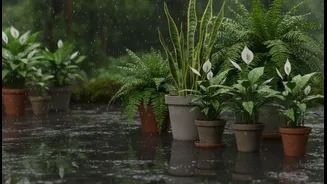
Known for its elegant white flowers and glossy green leaves, the Peace Lily is a beautiful addition that thrives in high humidity. This makes it particularly suitable for coastal Indian cities like Mumbai and Chennai. It's also an excellent air purifier, known for removing common toxins from the air. Peace Lilies prefer low to medium indirect light. One of their most helpful traits is that they visibly droop when they need water, taking the guesswork out of your watering schedule.
Rubber Plant (Ficus elastica)
For those looking to make a statement, the Rubber Plant is an excellent choice. Its large, glossy leaves—in shades of dark green or burgundy—add a touch of drama to any room. The thick leaves are great at storing moisture, which helps the plant during dry spells. It enjoys the bright, indirect light and consistent moisture that an Indian climate can provide. While it appreciates humidity, wiping its large leaves with a damp cloth is important to keep them dust-free and allow the plant to breathe, especially in urban environments.
Ferns
Ferns are the quintessential plants for humid, shady spots. Varieties like the Boston Fern or Bird's Nest Fern love the moisture-laden air typical of the Indian monsoon season. Their lush, green fronds bring a soft, tropical feel to balconies, bathrooms, or any corner of your home that doesn't get direct sunlight. Since they thrive in high humidity, a bathroom with a window is an ideal location. They require consistently moist soil, so they are perfect for those who enjoy a more hands-on watering routine.