







The Monsoon Craving Conundrum
There’s a scientific reason behind our intensified desire for fried and sweet foods during the rains. The lack of sunlight can cause a dip in serotonin, our body's 'happy hormone'. [18, 20] To compensate, our body craves carbohydrates, which are known
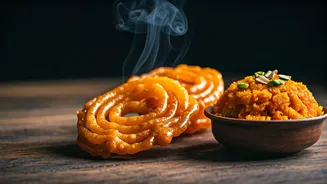
to provide a quick (though brief) serotonin boost. [18, 20] This explains the pull towards a plate of hot jalebis or a warm gulab jamun. Furthermore, there's a psychological comfort associated with crunchy, warm foods when everything outside is damp and cool. [18] The release of dopamine, a pleasure-related hormone, when we eat these foods reinforces the craving, making the temptation almost irresistible. [20]
The Classics We Can't Resist
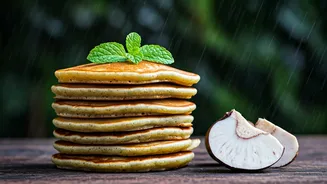
When it pours, tradition calls. Sweet shops and home kitchens come alive with an array of monsoon-specific delicacies. Think of crispy, syrup-drenched jalebis, often enjoyed on their own or with rabri. [4] Then there is Ghevar, the disc-shaped Rajasthani marvel with a honeycomb texture, soaked in sugar syrup and often topped with malai or mawa. [6, 21] Its preparation is so dependent on the high humidity of the monsoon that it's a seasonal specialty by necessity. [21] Other beloved choices include malpuas (Indian pancakes), warm moong dal halwa, and comforting kheer or payasam. [3, 7] These aren't just desserts; they are carriers of nostalgia and a core part of festive celebrations like Teej and Raksha Bandhan that fall during this season. [6, 21]
A Spoonful of Caution
Here’s where the decisions get harder. The very conditions that make us crave these treats also make us more vulnerable. The monsoon’s high humidity and moisture create a perfect breeding ground for bacteria, fungi, and viruses. [2, 16] This increases the risk of foodborne and waterborne illnesses like typhoid, food poisoning, and other gastrointestinal infections. [9] Street food, as tempting as it is, becomes particularly risky. The water used in chutneys or for washing vegetables may be contaminated, and food left uncovered is exposed to flies and dust. [2, 17] During this season, our digestive system also tends to become more sluggish, making it harder to process heavy, oily foods and leading to issues like bloating and indigestion. [13]
Navigating the Sweet Maze
Indulging wisely is the key to enjoying the season without falling sick. If you're buying sweets, opt for vendors who maintain high standards of hygiene and prepare food freshly in front of you. [9] Hot, freshly-made sweets like just-fried jalebi or gulab jamun are generally safer than items that have been sitting out. [9] Be particularly wary of anything involving uncooked components, like raw chutneys or certain toppings that use untreated water. [17] The best way to ensure safety is to prepare your favourite sweets at home. This way, you control the quality of ingredients, the hygiene of the cooking process, and you can also tweak the recipe to make it healthier—perhaps by using jaggery instead of refined sugar or baking instead of deep-frying.
Healthier Swaps and Modern Twists
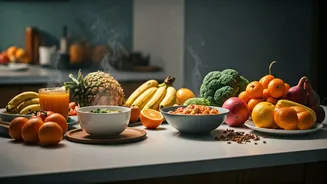
You don't have to give up on dessert entirely. There are plenty of delicious and healthy ways to satisfy your sweet tooth. Consider immunity-boosting ingredients in your diet like turmeric, ginger, and garlic to stay strong. [8, 12] For dessert, think about fruit-based options. A warm bowl of fruit crumble or a simple fruit chaat can be incredibly satisfying. [5] You could also try making desserts with natural sweeteners like dates and honey, such as date and nut ladoos. [23] Even traditional recipes can be adapted; a payasam made with jaggery and coconut milk is a warm, earthy, and comforting choice. [3] For chocolate lovers, a cup of functional hot chocolate can boost mood with compounds that stimulate serotonin, turning a craving into a wellness ritual. [19]