




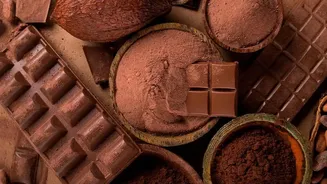
From Intercrop to Artisanal Craft
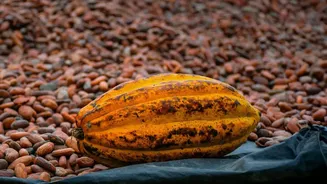
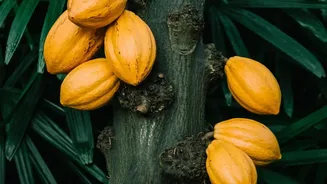
For decades, cacao in India was little more than a commodity, an intercrop grown alongside coconut and areca nut palms in states like Kerala, Karnataka, Andhra Pradesh, and Tamil Nadu. The beans were primarily sold to large corporations for mass-market
confectionery, with little emphasis on flavour or quality. But over the past decade, a fundamental shift has occurred. A new generation of farmers and chocolatiers has started to look at Indian cacao not as a bulk ingredient, but as a source of unique and complex flavours. This has sparked the bean-to-bar movement, where the chocolate maker controls every step of the process, from sourcing the beans directly from farms to crafting the final bar.
The Terroir of Indian Chocolate
Just like wine grapes, the flavour of cacao beans is deeply influenced by their 'terroir'—the specific environment in which they are grown. South India's diverse agro-climatic zones produce beans with remarkably distinct flavour profiles. Cacao from Kerala, grown amidst spice plantations, can have fruity notes with hints of black pepper and cardamom. Beans from the Western Ghats in Karnataka might carry earthy and spicy undertones, while those from the rich soils of Tamil Nadu can have a subtle nuttiness. This diversity allows Indian craft chocolate to offer a sensory journey through the subcontinent, with flavours ranging from fruity and floral to spicy and nutty. Brands are now highlighting this by launching single-origin bars that showcase the unique character of beans from a specific farm or region.
Meet the Chocolate Revolutionaries
This movement is led by passionate entrepreneurs who are building brands from the ground up. Pioneers like Mason & Co in Auroville, and Naviluna (formerly Earth Loaf) in Mysuru were among the first to popularise bean-to-bar chocolate in India. They have since been joined by a host of other brands dedicated to showcasing Indian cacao. Names like Manam Chocolate in Hyderabad, Paul & Mike in Kochi, and Soklet in Coimbatore are becoming synonymous with high-quality, traceable Indian chocolate. Some, like Soklet, are even 'tree-to-bar' makers, meaning they grow their own cacao, giving them complete control over the entire process from cultivation to the final product. These brands work directly with farmers, ensuring fair prices and encouraging sustainable agricultural practices.
The Bean-to-Bar Philosophy
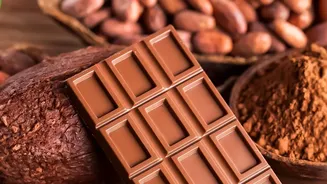
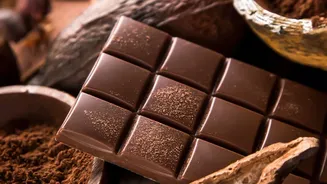
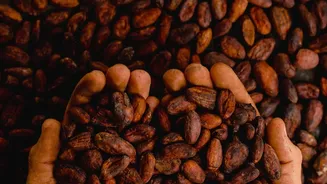
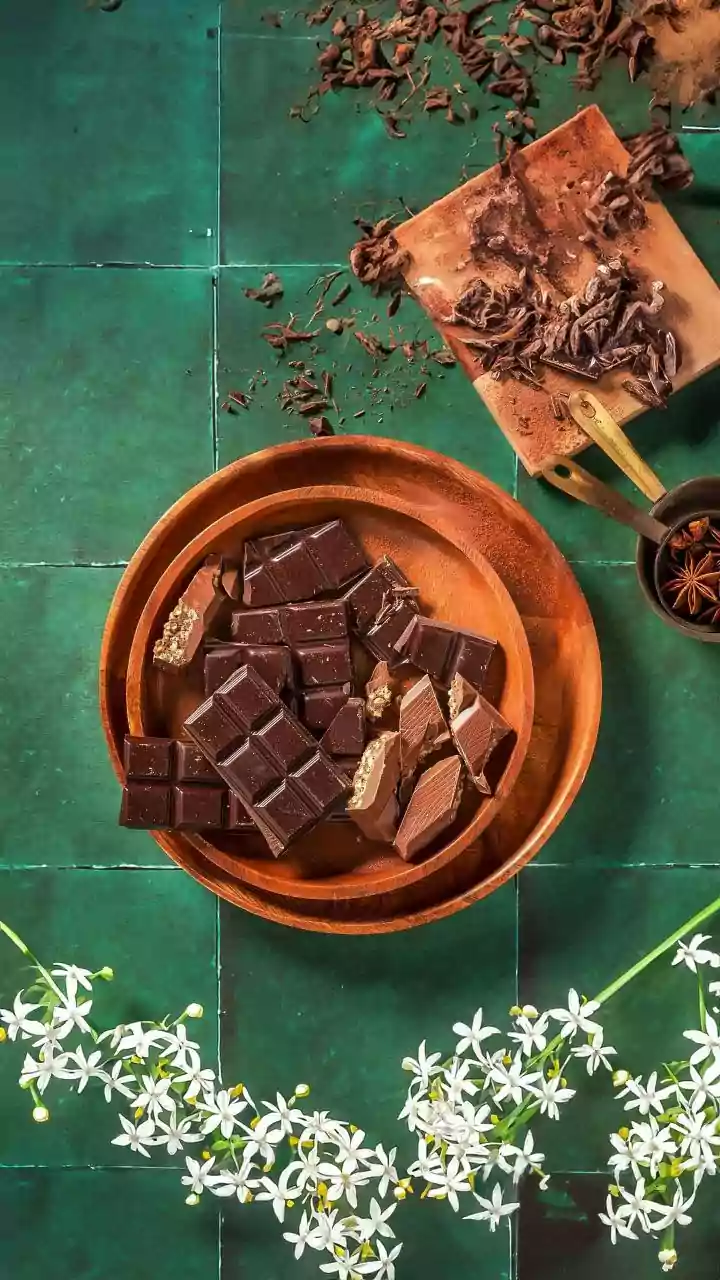
What makes bean-to-bar chocolate different? It's all about control and transparency. The process begins with carefully selected cacao beans, which are then fermented and dried at or near the farm—a critical step for flavour development. The chocolate maker then roasts, cracks, winnows (removes the shells), and grinds the beans, often for days, into a smooth liquor. Unlike industrial chocolate, which often uses vegetable fats, bean-to-bar makers use pure cocoa butter. They also tend to use fewer ingredients, allowing the natural flavours of the cacao to shine through. This meticulous, small-batch approach results in a product that is more complex, flavourful, and deeply connected to its origin.
Challenges and the Road Ahead
The path of this chocolate revolution is not without obstacles. Cacao farming is vulnerable to the effects of climate change, including rising temperatures and erratic rainfall, which can impact yields and quality. Furthermore, while domestic production is growing, it still meets less than a quarter of India's total demand for cocoa, much of which is for the mass market. Educating consumers about the value and cost of craft chocolate is another hurdle. However, the movement is gaining momentum. With a growing appreciation for artisanal, locally-sourced products, and a willingness among consumers to pay for quality, the future of Indian craft chocolate looks bright.