


The IMD's Colour-Coded System
The India Meteorological Department (IMD) is the official agency responsible for weather forecasting and issuing warnings for severe weather events across the country. To make these warnings easy to understand for everyone, from disaster management authorities
to the general public, the IMD uses a four-colour code system. These colours—Green, Yellow, Orange, and Red—represent an ascending order of severity. This system is not just for rainfall but also applies to cyclones, thunderstorms, heatwaves, and other weather phenomena. For anyone planning a trip during the monsoon, knowing what each colour means can help you make informed decisions, avoid unnecessary risks, and ensure your holiday isn’t ruined by an unexpected weather event.
Green Alert: All Is Well
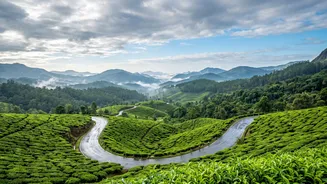
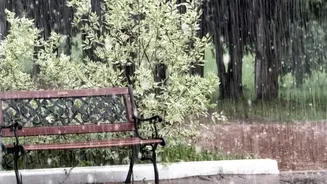
A green alert means 'All is Well'. It indicates normal weather conditions, and no specific advisory is issued. For tourists, a green alert is a good sign. It means you can proceed with your travel plans, whether it's sightseeing, trekking, or driving to your next destination, without any immediate weather-related concerns. While there might be light, sporadic rainfall, it is not expected to cause any disruption. You can carry on with your activities as planned, but it's always wise to have a raincoat or umbrella handy during the monsoon season.
Yellow Alert: Be Aware
A yellow alert is a signal to 'Be Aware'. This is the most common cautionary warning and suggests that weather conditions could worsen over the next few days, potentially causing some disruption to daily activities. It does not mean you need to cancel your trip, but it does mean you should stay updated on weather forecasts and exercise caution. Heavy rain might cause slower traffic or localised waterlogging in low-lying areas. If you're driving, plan for minor delays and ensure your vehicle's wipers and headlights are in good working order. For travellers, a yellow alert is a prompt to keep your plans flexible and monitor the situation.
Orange Alert: Be Prepared
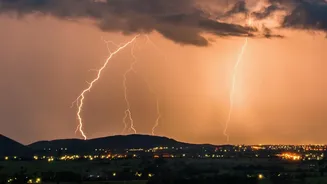
An orange alert means you must 'Be Prepared' for extremely bad weather. This warning is issued when heavy to very heavy rainfall is anticipated, which could disrupt transport, including road, rail, and air travel. There is a heightened risk of flooding, waterlogging in streets, and even power outages. For travellers, an orange alert is a serious warning. It is advisable to avoid travel if possible, especially in hilly areas prone to landslides. If you are already at your destination, it's best to stay indoors, stock up on essentials, and prepare for potential disruptions. Check with local authorities and your hotel about road conditions before venturing out.
Red Alert: Take Action
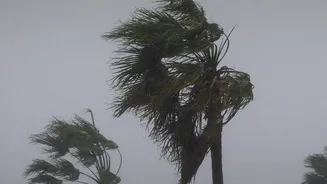
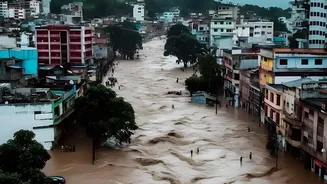
A red alert is the highest level of warning and means 'Take Action'. It is issued when extremely severe weather is imminent or already occurring, posing a significant threat to life and property. This alert indicates extremely heavy rainfall (often over 204.5 mm in 24 hours), which can lead to widespread flooding, major disruption of essential services, and landslides. During a red alert, all non-essential travel should be avoided. Authorities may issue evacuation orders for people in low-lying and vulnerable areas. For tourists, safety is the absolute priority. You should follow all instructions from local authorities, stay indoors, and avoid any area near overflowing rivers or potential landslide zones.
How to Stay Safe on Your Holiday
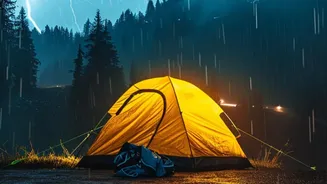
Planning a monsoon trip requires flexibility and caution. Always check the latest weather forecasts from official IMD channels before and during your trip. Keep buffer days in your itinerary to account for potential travel delays caused by bad weather. In hilly or remote regions, risks like landslides and flash floods are higher, so it's critical to heed warnings and avoid such areas during orange or red alerts. It's also wise to share your travel plans with family or friends, keep emergency contacts handy, and book accommodations with flexible cancellation policies in case your plans need to change. Simple precautions like carrying waterproof bags for documents and electronics, drinking bottled water, and using mosquito repellent can also make your trip safer and more comfortable.