

Imagine the complex, aromatic burst of a traditional Indian paan, but transformed into a cool, sippable smoothie. This intriguing blend of tradition and modern wellness is capturing the imagination of foodies across the nation.
The Tradition in a Leaf
For centuries, paan has
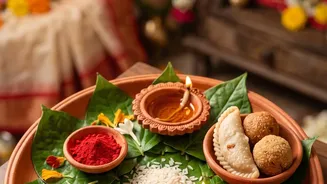
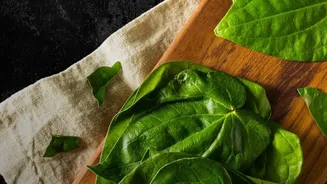
been a cultural staple in India, served as a post-meal mouth freshener and digestive aid. A fresh betel leaf is typically filled with an array of ingredients, most commonly slaked lime, areca nut, and a mix of seeds and spices. The 'meetha' or sweet paan, which serves as the primary inspiration for these drinks, is a non-tobacco version packed with sweet, aromatic fillings. Key among these is gulkand, a thick preserve made from sun-dried rose petals and sugar, known for its cooling properties in Ayurveda. This is often complemented by fennel seeds (saunf), desiccated coconut, and cardamom, creating a complex and layered flavour experience.
From Leaf to Liquid Form
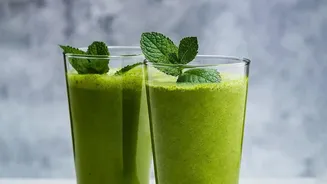
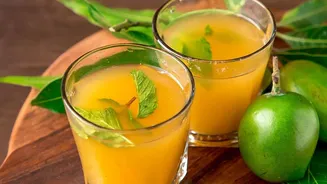
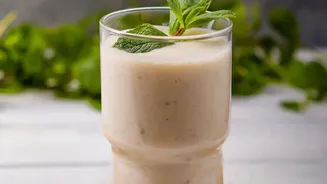
The transition from a chewable leaf to a beverage involves cleverly deconstructing the paan and reimagining its core flavours in a liquid base. The process usually starts by blending fresh betel leaves with milk, or increasingly, plant-based alternatives like almond, soy or coconut milk. To this, the star ingredient, gulkand, is added for its floral sweetness, which eliminates the need for much additional sugar. Fennel seeds, cardamom, and sometimes a touch of mint are blended in to capture the authentic, multi-sensory experience of eating a real paan. The mixture is often strained to remove the fibrous texture of the leaves, resulting in a smooth, creamy drink that is served chilled.
A Symphony of Flavours
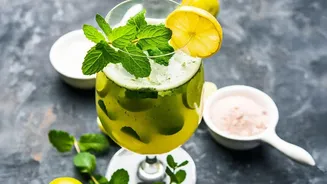
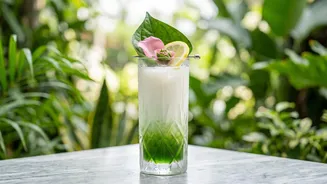
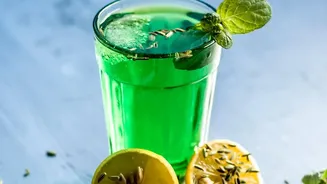
The taste of a paan smoothie is both familiar and surprisingly novel. The initial flavour is often a cool, peppery freshness from the betel leaves, which is why it's often likened to a minty drink. This is immediately balanced by the deep, floral sweetness of the gulkand, which lends a luxurious, jammy character. Underneath these dominant notes, you can detect the warm, aromatic spice of cardamom and the subtle, anise-like crunch of fennel seeds. When made with a base of milk and vanilla ice cream, as many recipes suggest, the result is a rich, decadent milkshake. When using coconut water or sparkling water, it becomes a lighter, more botanical mocktail.
The Modern Health Halo
A significant part of the appeal of these beverages is their connection to wellness. By omitting the areca nut and tobacco found in some traditional paan preparations, these drinks offer the digestive benefits without the associated health risks. Betel leaves themselves are known to stimulate digestive enzymes and improve metabolism. Gulkand is celebrated in Ayurveda for its ability to reduce body heat, soothe acidity, and act as a natural coolant. This combination makes the drink not just a treat, but a functional beverage that aligns with the modern pursuit of health-conscious indulgence. It’s presented as a guilt-free dessert, a refreshing summer cooler, and a sophisticated non-alcoholic option at parties.
Where to Find this Refreshing Twist
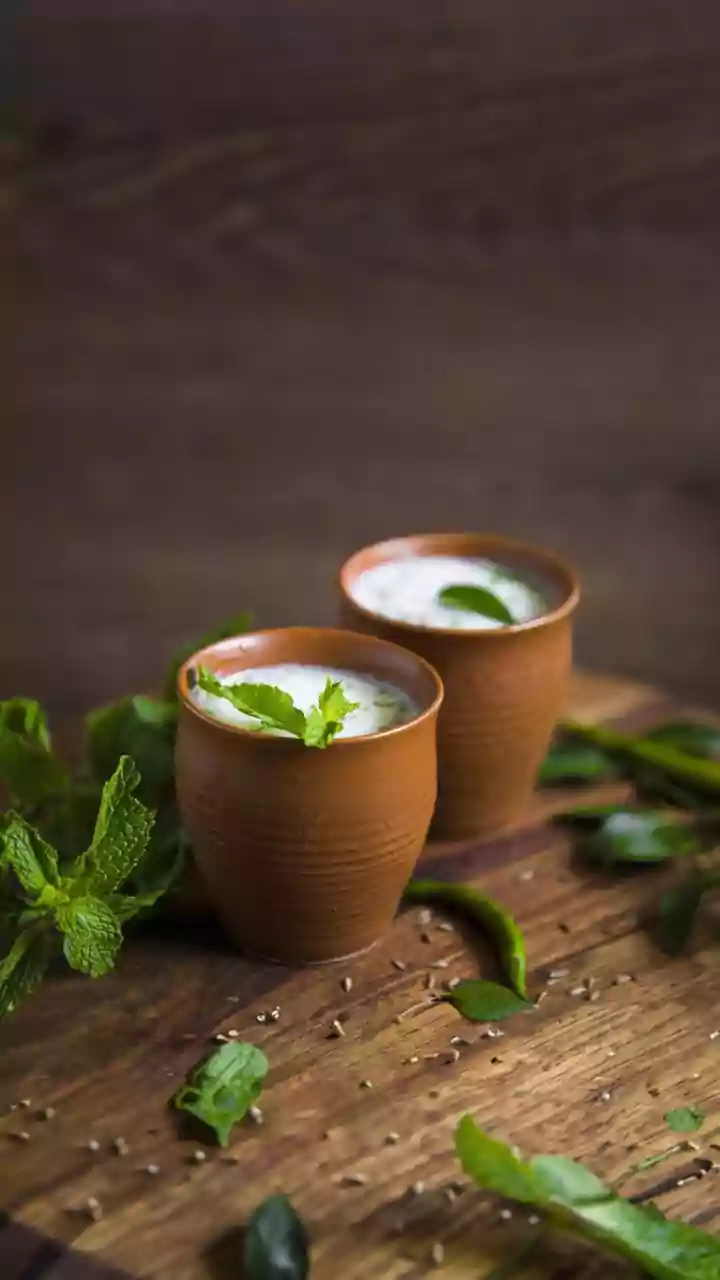
Once a novelty item, the paan-inspired beverage is now a common sight on the menus of trendy cafes, juice bars, and modern Indian restaurants. Often served in shot glasses as a palate cleanser or a fun, post dinner digestif,'paan shots' have become particularly popular at weddings and festive gatherings. The drink is also easy to replicate at home with numerous recipes available online for paan milkshakes smoothies and lassis. This accessibility has allowed the flavour to move from the traditional paan shop into the contemporary Indian kitchen representing a delicious evolution of a timeless classic.