




Swap Heavy Fabrics for Light & Airy Alternatives
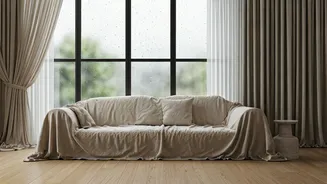
One of the biggest challenges during the monsoon is the pervasive feeling of dampness. Heavy fabrics like velvet, thick cottons, and wool act like sponges, absorbing moisture from the humid air, leading to musty smells and a longer drying time. The practical
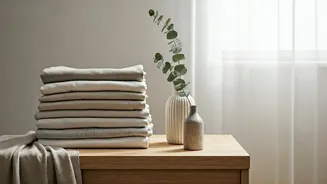
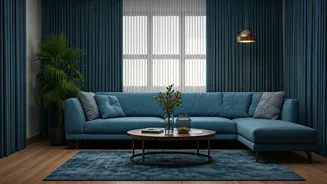
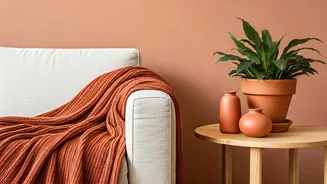
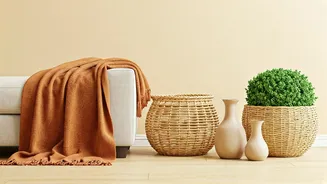
decor shift involves swapping these for lighter, more breathable materials. Think sheer or lace curtains instead of heavy drapes. These not only dry faster but also allow the limited natural light to filter in, combating the gloomy feel of overcast days. For furnishings, opt for cushion covers and throws made from cotton blends, linen, or khadi, which promote airflow and are easy to wash and dry.
Brighten Gloomy Days with Colour & Light
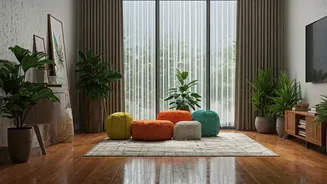
Grey skies can make interiors feel dark and dreary. The new practical approach is to fight the gloom with strategic pops of colour and smart lighting. Instead of a full repaint, this trend focuses on accessible changes. Swapping out neutral cushion covers for ones in vibrant shades like sunshine yellow, turquoise, or emerald green can instantly lift the mood of a room. Similarly, the use of warm lighting is crucial. Floor lamps, table lamps, and even strings of fairy lights can create a cosy, inviting glow that mimics the warmth of sunlight, making indoor spaces feel welcoming even during a downpour.
Combat Musty Smells with Strategic Fragrance
The quintessential 'monsoon smell' is often a mix of damp earth and mildew. While previously tackled with harsh air fresheners, the modern approach is to focus on eliminating the source of the smell and introducing natural fragrances. Good ventilation is key; opening windows when it's not raining helps circulate air and reduce stale smells. To combat musty odours in closets and small spaces, small pouches of camphor, neem leaves, or moisture-absorbing silica gel are effective. For a pleasant ambience, scented candles and essential oil diffusers with refreshing scents like citrus, lavender, or lemongrass are preferred. This tackles the problem practically while also enhancing the sensory experience of being at home.
Rethink Your Entryway
The entrance of a home bears the brunt of the monsoon, with muddy shoes and dripping umbrellas. Practical monsoon decor turns this functional challenge into a design opportunity. Instead of a simple doormat, people are opting for highly absorbent coir or jute mats that trap dirt effectively. A stylish umbrella stand, which can be a chic vase or a rustic basket, is no longer an afterthought but a planned part of the entryway decor, preventing water trails inside the house. Some also keep a small stool and a tray for removing wet footwear, keeping the rest of the home clean and dry.
Bring the Greenery Indoors
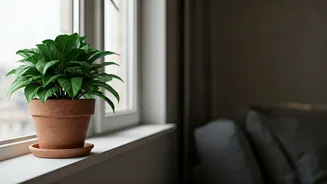
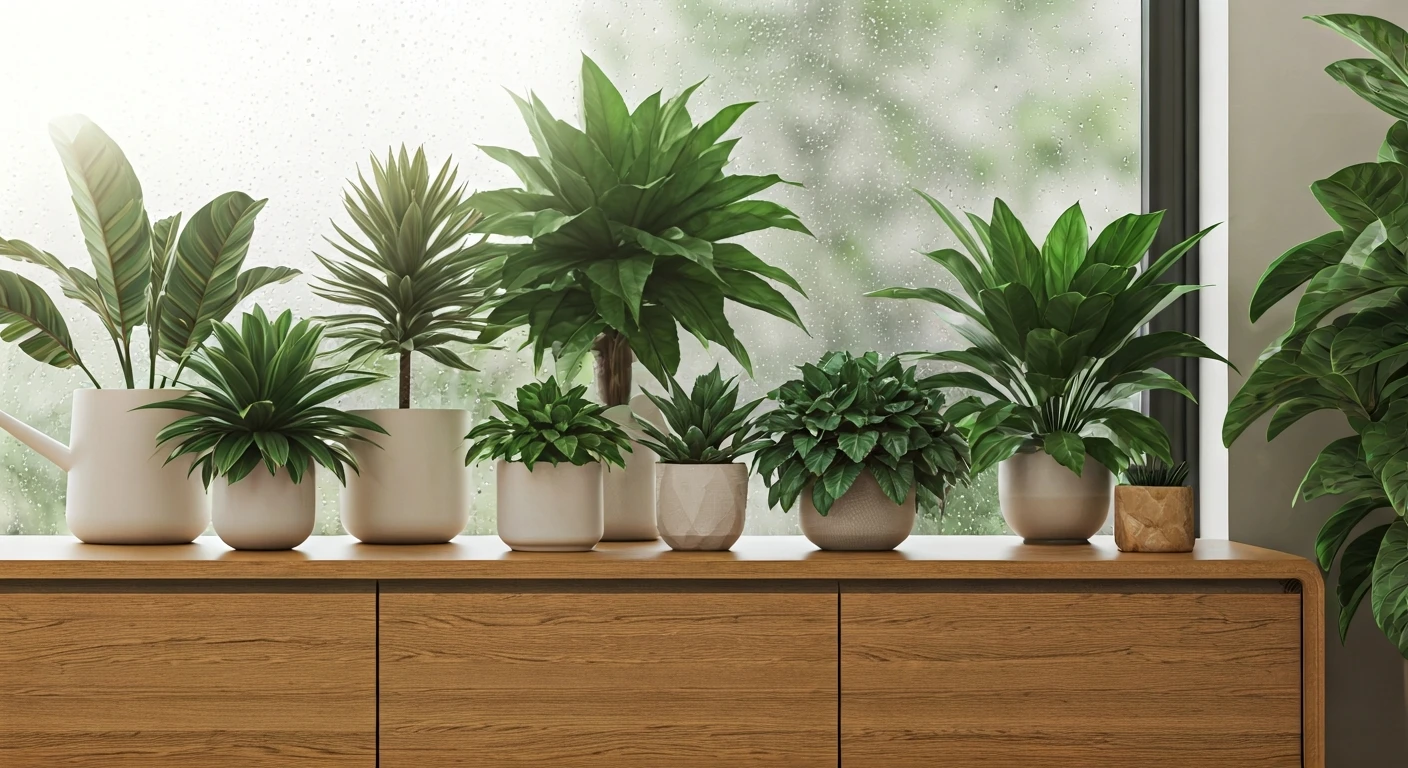
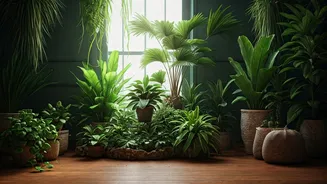
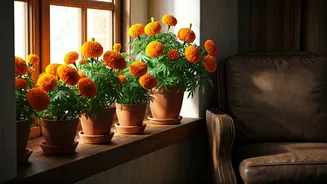
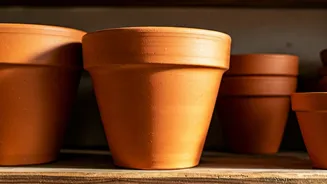
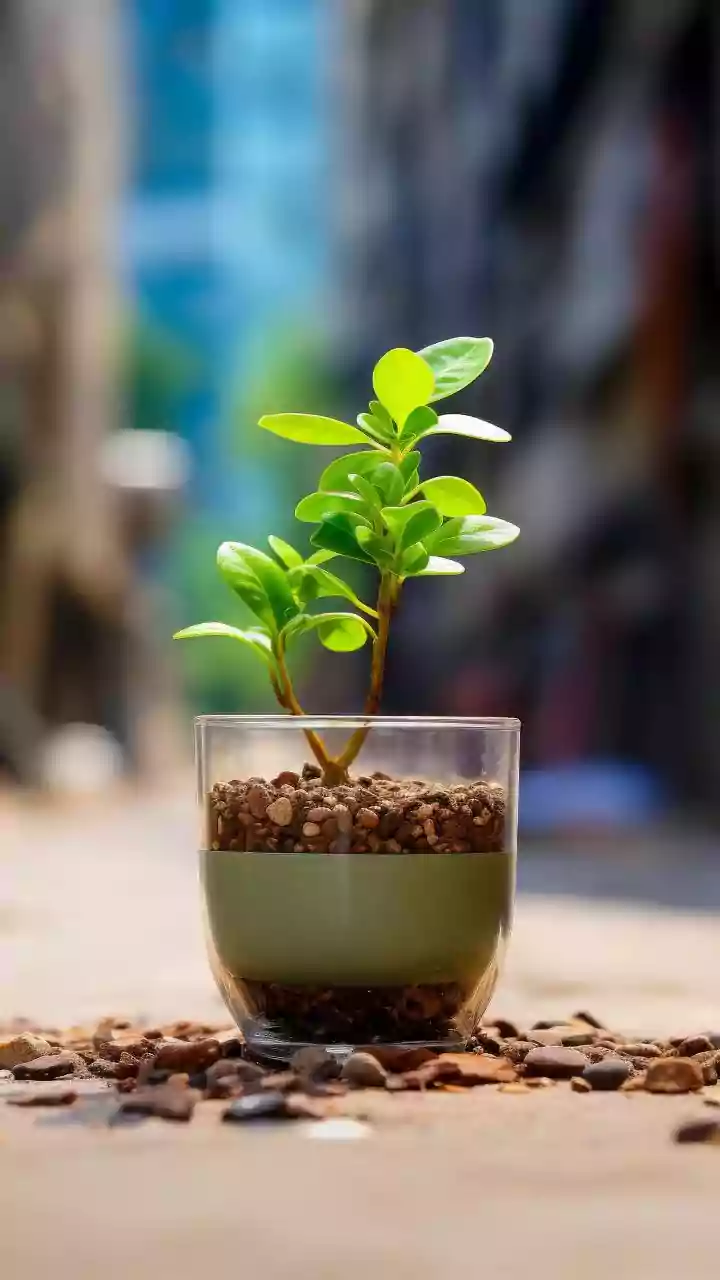
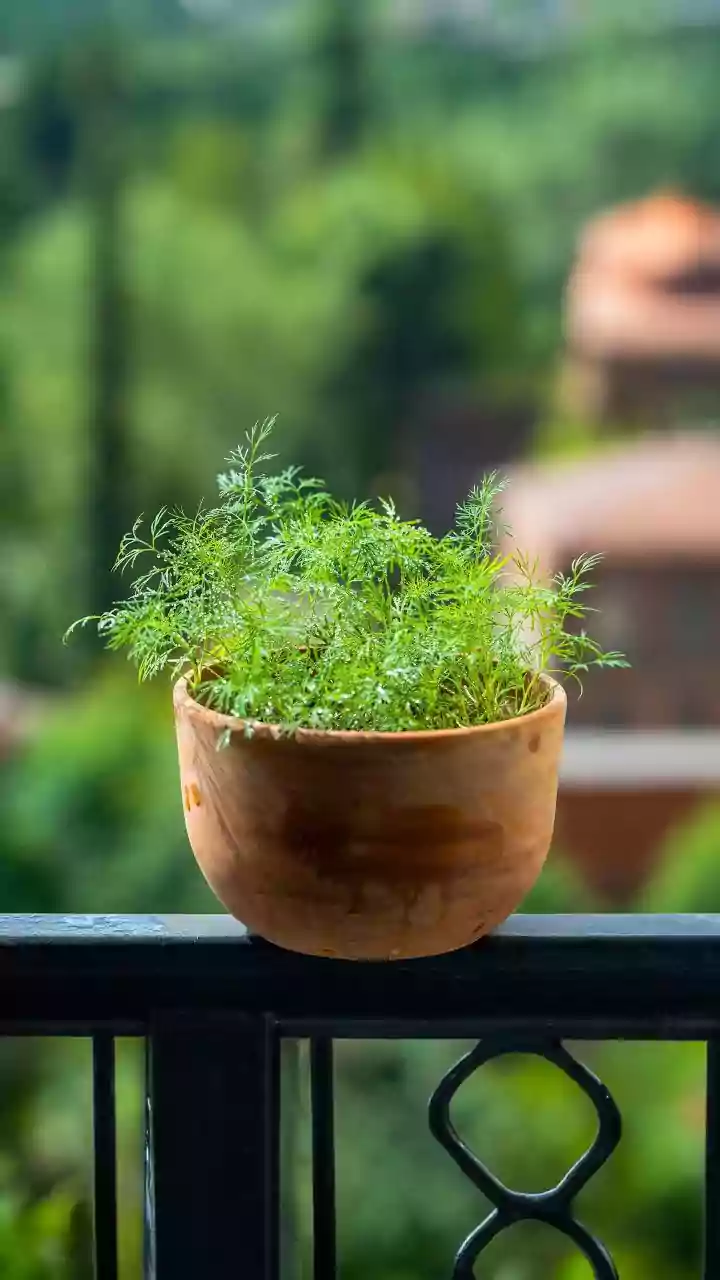
With the outdoors lush and green, bringing a bit of nature inside has become a popular trend that also serves a practical purpose. Certain indoor plants, like snake plants, peace lilies, and ferns, are not only easy to maintain but also help purify the air and can absorb some excess humidity. Placing them in colourful pots can add to the decor and liven up dull corners. This trend connects the interior with the beautiful exterior landscape of the monsoon, creating a seamless and refreshing environment.
Protect and Reposition Your Furniture
High humidity can cause wooden furniture to swell and is conducive to mould growth. The practical decor solution is twofold: protection and placement. It is recommended to space out furniture, moving it a few inches away from walls to allow for better air circulation and prevent moisture from getting trapped. For wooden pieces, a pre-monsoon coat of wax or polish can act as a protective barrier. It's also a time when people temporarily store heavy rugs and carpets, which are hard to keep clean and dry, opting for bare floors or lightweight, washable dhurries instead.