
The Modern Problem of Tight Hips
If you spend hours at a desk, in a car, or on the couch, you're likely familiar with a feeling of stiffness in the front of your hips. This comes from your hip flexors, a group of muscles responsible for lifting your knee toward your torso. When you sit
for prolonged periods, these muscles are held in a shortened, compressed position. Over time, this can lead to chronic tightness, which doesn't just feel uncomfortable—it can pull your pelvis out of alignment, contribute to lower back pain, and limit your overall mobility. Many people find that even simple movements like walking or standing up can feel restricted.
Yoga’s Gentle Answer for Flexibility
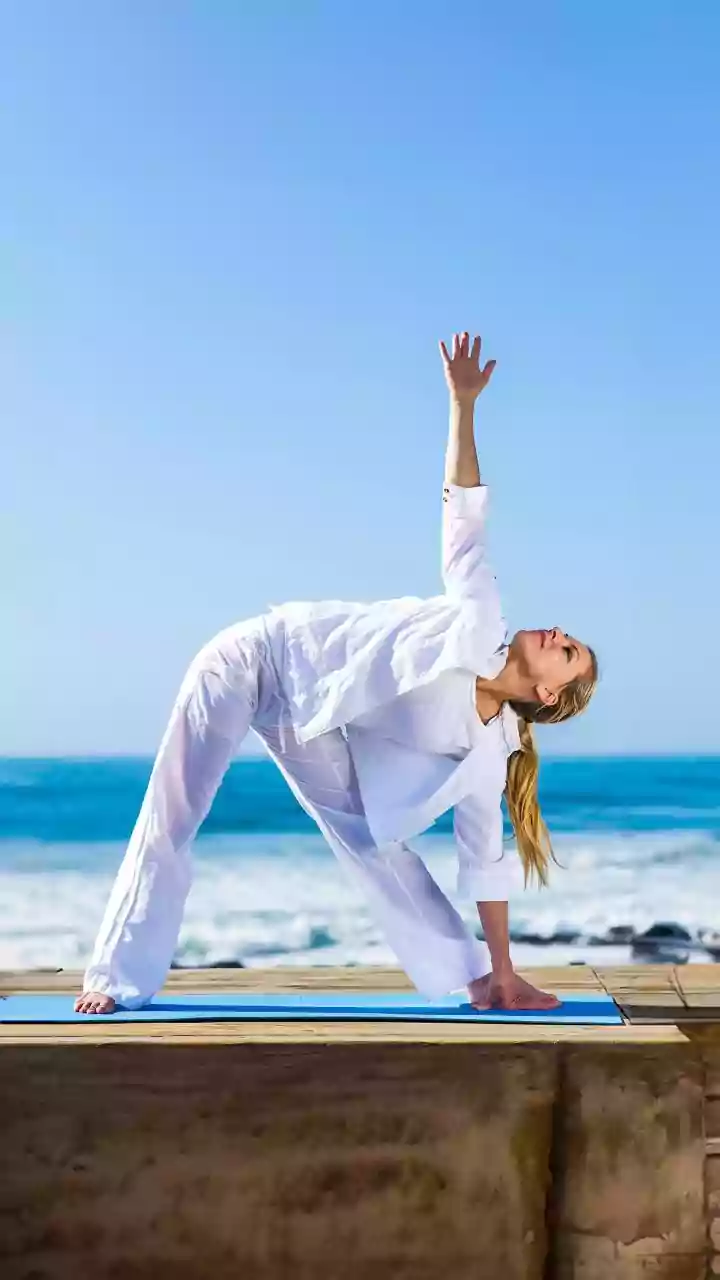
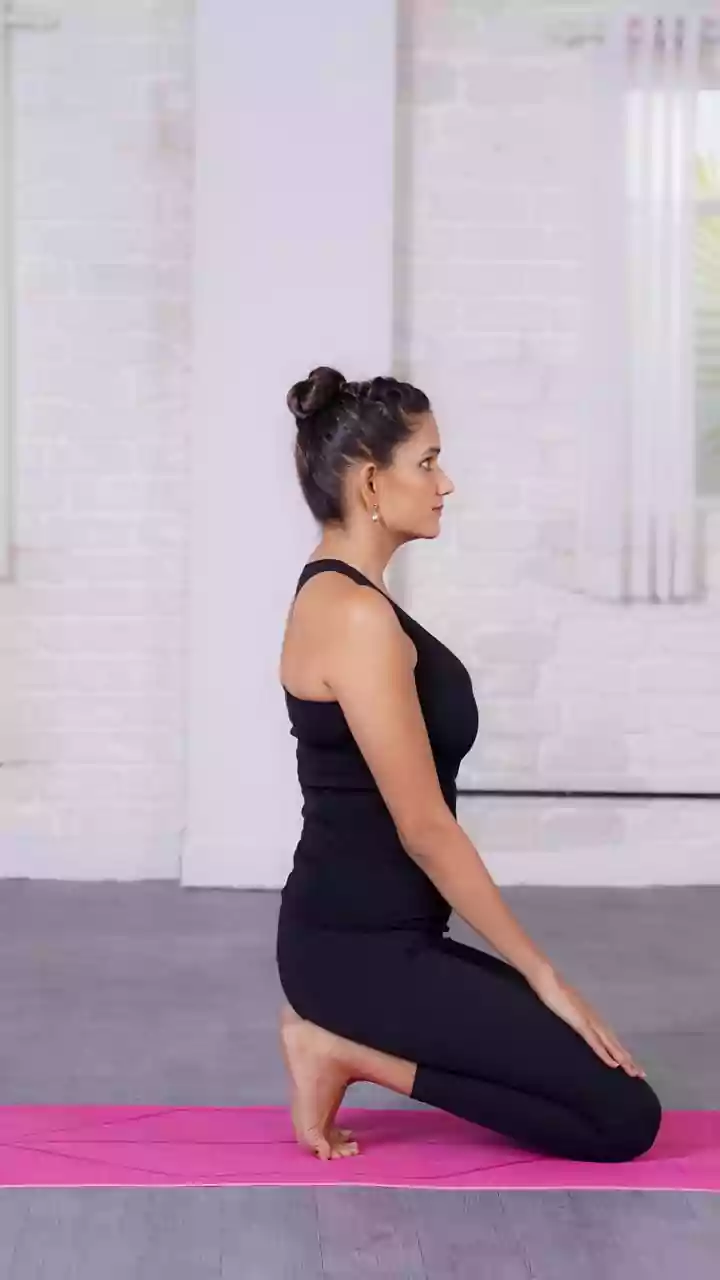
Yoga offers a powerful solution by gently encouraging these shortened muscles to lengthen and release. Unlike some forms of intense stretching, yoga combines movement with deep, conscious breathing to warm up the muscles and increase blood flow, making them more pliable. Poses that target the hips move the joints through their full range of motion—flexion, extension, and rotation—which is something they rarely experience during a typical sedentary day. This process helps release built-up tension, gradually improving flexibility and restoring a more natural alignment to the pelvis and spine.
Three Beginner Poses for Hip Opening
You don't need to be a pretzel to get started. These simple poses are incredibly effective for beginners: 1. Low Lunge (Anjaneyasana): From a hands-and-knees position, step one foot forward between your hands. Slide the back knee down to the floor. Keeping your front knee over your ankle, gently sink your hips forward and down until you feel a stretch in the front of your back thigh. This directly targets the hip flexors. 2. Butterfly Pose (Baddha Konasana): Sit on the floor and bring the soles of your feet together, letting your knees fall out to the sides. Hold onto your feet or ankles. Sit up tall to lengthen your spine, and if you're comfortable, you can gently fold forward. This pose opens the inner thighs and groin. 3. Happy Baby Pose (Ananda Balasana): Lie on your back and draw your knees toward your chest. Grab the outsides of your feet, keeping your ankles stacked over your knees. Gently pull down to create a deep, passive stretch for the hips and inner groin.
The Surprising Link Between Hips and Balance
Balance isn't just about standing on one foot; it’s a full-body effort that starts at your core and hips. When your hip flexors are tight, they can restrict the pelvis, throwing off your body's natural alignment and making it harder to find and maintain your center of gravity. Flexible, mobile hips allow your pelvis and spine to align properly, creating a stable foundation. Furthermore, strengthening the muscles around the hips—including the glutes and deep rotators—provides the stability needed to stay steady, whether you're walking on uneven ground or practicing a balance pose.
Two Simple Poses to Build Better Balance
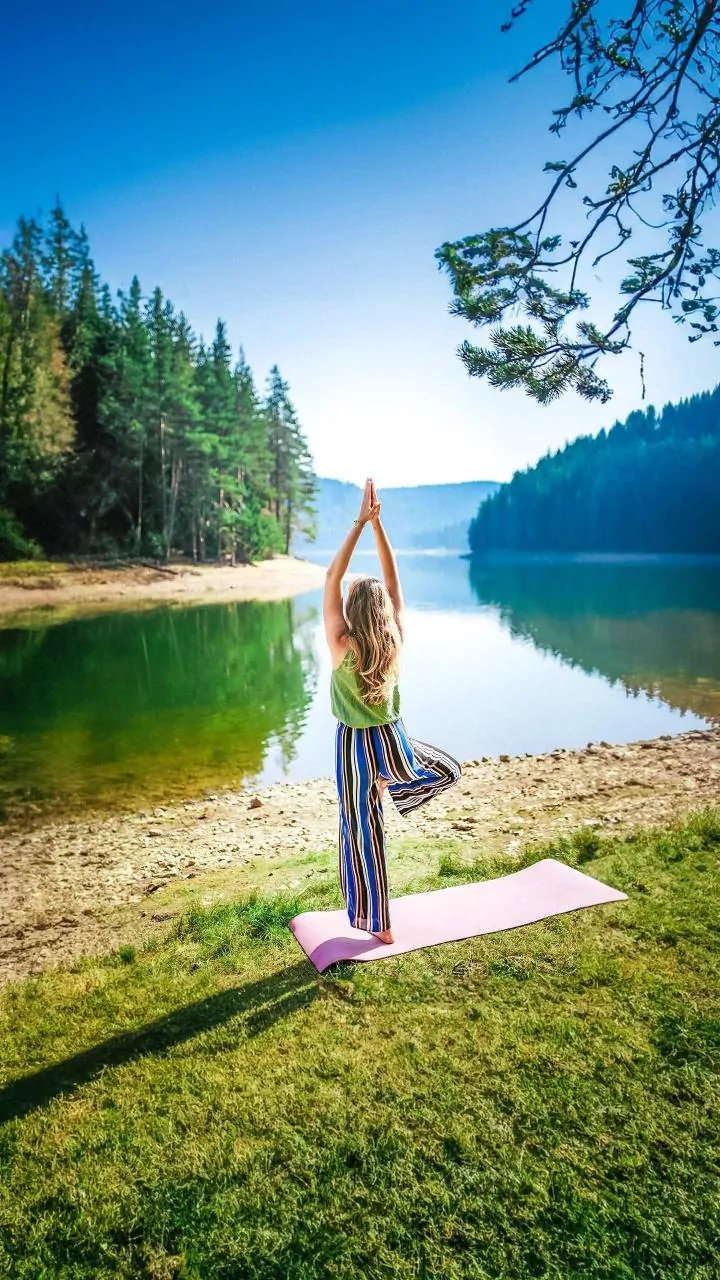
Improving balance involves training your body’s awareness of its position in space, a skill known as proprioception. Yoga is excellent for this. Try these poses near a wall for support: 1. Mountain Pose (Tadasana): This foundational pose is more than just standing. Stand with your feet together or hip-width apart. Ground down through all four corners of your feet, engage your thighs, lengthen your spine, and relax your shoulders. This teaches body alignment and awareness. 2. Tree Pose (Vrksasana): From Mountain Pose, shift your weight onto one foot. Place the sole of your other foot on your calf or inner thigh (avoiding the knee joint). Focus your gaze on a fixed point in front of you. This pose builds strength in the standing leg and improves focus and stability.
Why a Little Every Day Goes a Long Way
The secret to unlocking these benefits isn't a single, heroic 90-minute yoga class. It’s consistency. A short, 15-minute daily practice is far more effective for building flexibility and muscle memory than one long, infrequent session. Daily practice teaches your muscles and nervous system to relax and adapt, reducing stiffness and making movement feel easier over time. It also helps to lower stress hormones, improve mental focus, and establish a sustainable wellness habit that energizes you for the day ahead.