



The New Culinary Stage
Across India's metros, from Delhi to Mumbai, a delicious revolution is underway. Food festivals, pop-up events, and curated dinners are becoming platforms for a new kind of star: the home chef. These are not professionally trained cooks, but mothers,
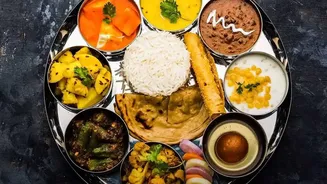
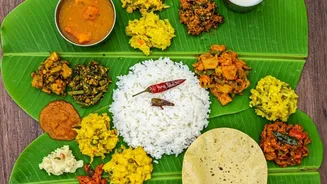
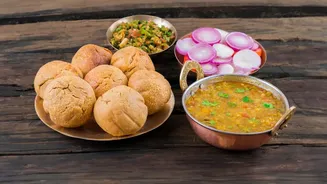
grandmothers, and passionate individuals who are bringing their family's closely guarded recipes into the public domain. Events like The Grub Fest and Bhukkad Flea now feature dedicated stalls for home chefs to showcase their culinary heritage. Here, urban foodies can discover rare dishes like Magadhi cuisine from Bihar, tribal Assamese food, or traditional Himachali Dham, often cooked by people who learned these recipes from their elders.
From Pride to Profession
What motivates someone to share a recipe that has been a family secret for generations? For many, it's a mix of passion, pride, and pragmatism. Some, like 45-year-old Sushma Kumari from Gurugram, harboured a lifelong dream of becoming a chef but couldn't pursue it due to cultural expectations. Starting as a home chef allowed her to turn her passion into a profession, and she now gets invited by luxury hotels to host food festivals. For others, it’s about representation. Many home cooks started their journey because they felt their specific regional or community cuisine, like Bohri or Parsi food, was not widely known or available. This desire to share their culture provides a powerful drive, turning personal kitchens into thriving small businesses.
A Hunger for Authenticity
The rise of the home chef is also fueled by a significant shift in consumer tastes. Urban diners are increasingly tired of the standardised menus found in most restaurants. There is a growing hunger for food that feels authentic, tells a story, and offers an emotional connection. People are seeking out the flavours of their childhood or the unique tastes of regions they have never visited. This trend is about more than just food; it's a search for experiences that feel personal and genuine in a world of mass-produced meals. Pop-ups hosted by home chefs offer exactly that: a meal cooked with fresh ingredients, traditional methods, and the warmth of home cooking.
Preserving a Culinary Inheritance
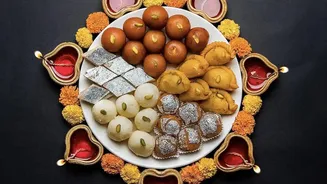
This movement has taken on another, more urgent role: cultural preservation. Many heirloom recipes and traditional cooking techniques are at risk of being lost as lifestyles change and younger generations move away from home. Home chefs who bring these dishes to festivals are acting as crucial custodians of India's diverse culinary heritage. They are documenting and popularising recipes for forgotten grains, regional specialities, and complex festival dishes that might otherwise disappear. By worrying that the history and stories behind Parsi food would be lost, some home chefs began documenting recipes online before moving to pop-ups. This revival is helping to ensure that India's rich food traditions are not just remembered but are actively savoured and passed on.
The Challenges on the Plate
The journey from a home kitchen to a bustling food festival is not without its difficulties. Scaling a recipe designed for a family of four to serve hundreds of festival-goers is a major logistical challenge. Maintaining consistency in taste and quality requires immense skill and preparation. Furthermore, many home chefs must juggle cooking with the demands of promotion and social media, which are crucial for attracting customers. Despite these hurdles, the trend is growing, with many home chefs reporting increased business and a loyal following who value the unique, personalised dining experiences they offer.