



The End of 'No Pain, No Gain'
For decades, the dominant fitness narrative was one of intensity. We were told to push through the pain, max out our heart rates, and feel the burn. But after years of hustle culture, many Americans are looking for a more sustainable and joyful approach
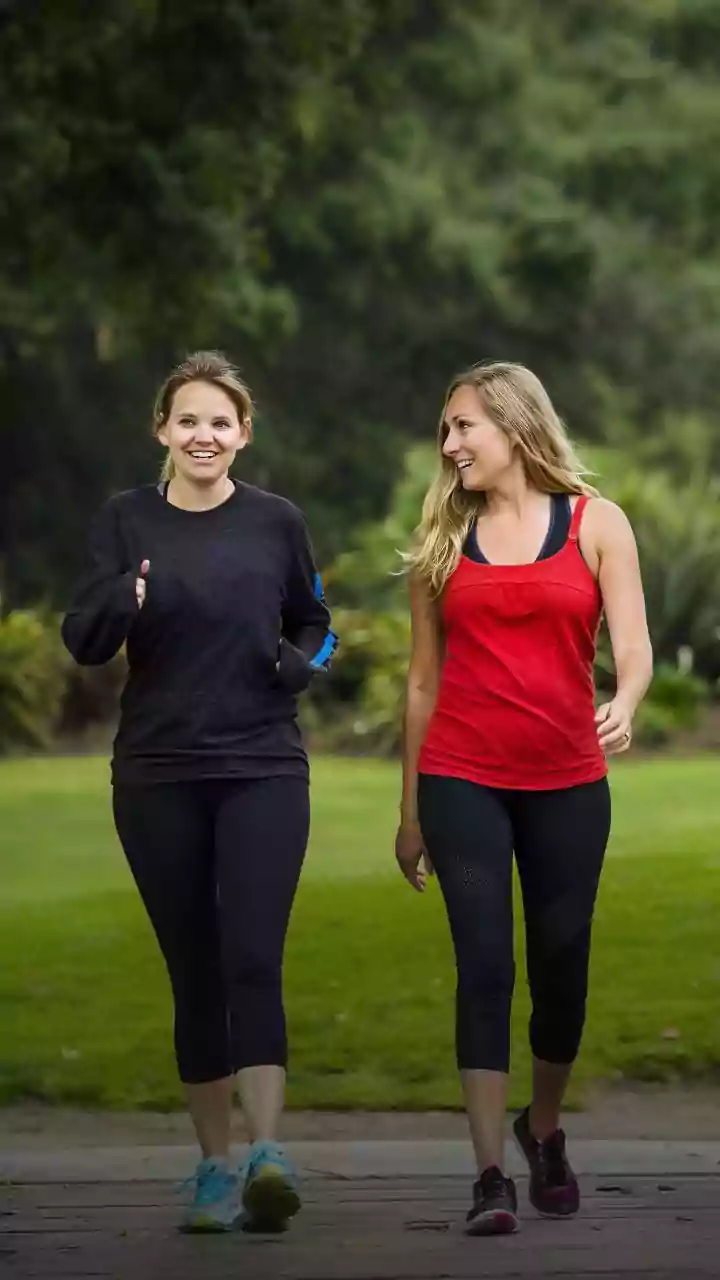
to movement. The short walk is the perfect antidote to fitness burnout. It doesn't require a special outfit, a pricey membership, or an hour of free time. It's a 'fitness snack'—a small, manageable dose of activity that fits into the cracks of a busy day. This shift has been accelerated by the rise of remote and hybrid work, which has blurred the lines between home and office but also created new opportunities for micro-breaks. Instead of a punishing lunchtime HIIT class, people are opting for a 15-minute stroll to clear their heads and reset for the afternoon.
The Science Behind the Stroll
While the trend feels new, the science is well-established. You don’t need to run a 10K to reap significant health rewards. Studies have shown that short, frequent walks can be remarkably effective. For instance, a brief walk after a meal can help regulate blood sugar levels more effectively than a single, longer workout session. This helps prevent the dreaded post-lunch energy slump and can have long-term metabolic benefits. Beyond blood sugar, these quick jaunts trigger the release of endorphins, the body's natural mood elevators, providing an immediate mental lift and reducing stress. Even a 10-minute walk can boost creative output, improve memory, and sharpen focus. It's a low-impact, high-reward activity that delivers a powerful cocktail of physical and cognitive benefits with minimal investment.
More Than Just Physical Fitness
Part of the allure is that the short walk isn't just about exercise; it's a holistic wellness practice. On social media, trends like the #HotGirlWalk frame walking as an act of self-care dedicated to mindfulness and confidence. The 'rules' are simple: put on your headphones, listen to an inspiring podcast or a feel-good playlist, and think about what you're grateful for and what your goals are. It transforms a simple physical activity into a moving meditation. This reframing is crucial. It’s not another chore on your to-do list, but a protected time for yourself. It’s a chance to get fresh air, disconnect from screens, and process your thoughts. For many, it serves as a mental transition—a way to create a boundary between the end of the workday and the beginning of personal time, a 'commute' that used to be a built-in part of life.
How to Start Your Walking Habit
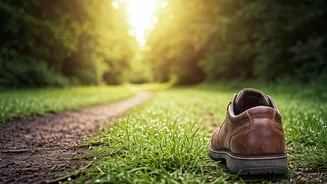
The beauty of the short walk is its accessibility. You don’t need a plan, but a little intention can help the habit stick. The easiest way to start is by 'habit stacking'—linking your walk to something you already do. Finish your lunch? Go for a walk. End your last video call? Go for a walk. Another popular method is 'temptation bundling,' where you only allow yourself to listen to your favorite podcast or audiobook while you're walking. Keep it simple: you don't need fancy athletic wear or a high-tech watch. Just comfortable shoes. Don't worry about pace or distance, especially at first. The goal is consistency, not intensity. Start with just five or ten minutes. Once it becomes a natural part of your routine, you'll find yourself looking forward to it, not because you have to, but because you want to.