







Decoding the 'Rain Diet'
First, let's clear up a common misconception. The term 'rain diet' doesn't involve consuming rainwater, which can be contaminated and unsafe. Instead, it refers to a traditional, seasonal eating pattern followed during the monsoon in India, often guided
by Ayurvedic principles. The goal is to support your body's digestive system and immunity, which are considered more vulnerable during this time. The high humidity can slow down our metabolism and digestive fire ('agni' in Ayurveda), making us more susceptible to infections, bloating, and stomach issues. A proper rainy season diet focuses on light, warm, and easily digestible foods while avoiding items that could be laden with germs or are hard for the body to process.
Foods to Welcome This Monsoon
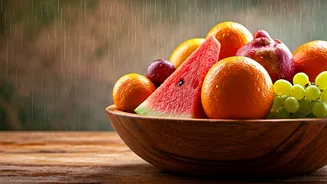
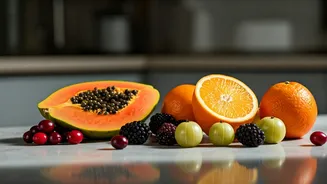
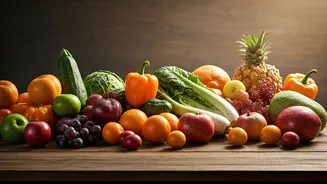
The foundation of a healthy monsoon diet is simple: eat fresh, cooked, and warm meals. Incorporating immunity-boosting ingredients is key. Start with warm soups, especially those with a base of moong dal or vegetables like bottle gourd (lauki) and pumpkin. These are light on the stomach and deeply nourishing.Spices are your best friends. Ginger, garlic, turmeric (haldi), black pepper, and asafoetida (hing) are known for their anti-inflammatory and anti-bacterial properties. Add them generously to your dals and sabzis. For grains, opt for older rice and barley, which are easier to digest. When it comes to fruits, choose seasonal options like pomegranates, pears, plums, and apples. It's best to consume them during the day and ensure they are thoroughly washed.
What to Eat With Caution
Just as important as what you eat is what you avoid. Leafy green vegetables like spinach and cabbage, while usually healthy, can be problematic during the monsoon. The dampness and mud make them prone to contamination with germs and larvae that are hard to wash away. If you do eat them, ensure they are blanched in hot water before cooking.This is also the season to be wary of street food. Chaat, pani puri, and fried snacks like pakoras might be tempting in the cool weather, but they are often prepared in unhygienic conditions and with water that may not be purified, increasing the risk of water-borne diseases like typhoid and cholera. Similarly, avoid raw salads and pre-cut fruits sold by vendors. Stick to home-cooked meals as much as possible to control the quality and hygiene of your food.
Hydration and Other Key Habits
Staying hydrated is crucial, but the source of your water matters more than ever. Always drink boiled, filtered, or purified water. Avoid drinking water or juices from outside sources, including restaurants, unless you are certain of their purification methods. Instead of cold drinks that can dampen your digestive fire, opt for warm herbal teas. A cup of ginger-tulsi tea or a simple lemon and honey drink can soothe the throat and aid digestion.Finally, avoid heavy, oily, and fried foods as they are difficult to digest and can lead to bloating and indigestion. Curd and other dairy products should also be consumed in moderation, as they can sometimes aggravate sinus issues or colds during this season. Opt for buttermilk (chaas) with a pinch of black pepper instead.