



A First-of-its-Kind Measurement
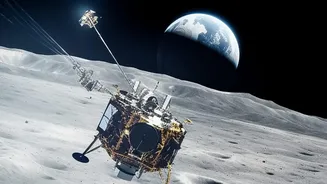
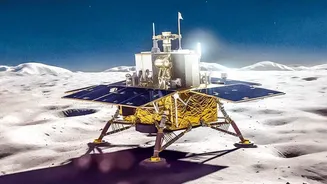
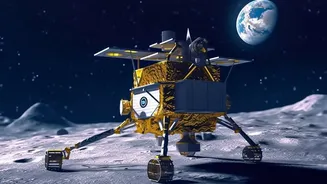
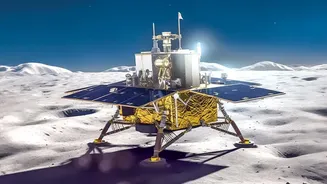
Scientists from the Indian Space Research Organisation (ISRO) have been analysing data from the Vikram lander's instruments. One payload, the 'Radio Anatomy of Moon Bound Hypersensitive ionosphere and Atmosphere - Langmuir Probe' (RAMBHA-LP), has provided
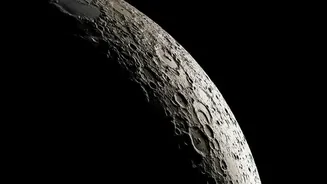
the first-ever direct measurements of the plasma environment near the lunar surface in the south polar region. Plasma is a state of matter consisting of charged particles—ions and electrons. Understanding its concentration and behaviour is vital for future exploration. The initial findings reveal that the plasma near the Moon's surface is surprisingly sparse, with an electron density estimated to be between 5 to 30 million electrons per cubic metre.
Why Plasma Matters for Moon Missions
The lunar plasma environment, though sparse, has significant implications for future missions, especially those involving humans. This sea of charged particles is influenced by the solar wind and can affect everything from radio communications to the integrity of equipment. Charged lunar dust can be stirred up during landings and cling to surfaces, potentially interfering with sensitive instruments and antennas. A better understanding of the plasma density allows engineers to design more robust communication systems that can mitigate this interference and to develop strategies to protect hardware and astronauts from the effects of electrostatic charging.
The Instrument Behind the Discovery
The RAMBHA-LP instrument is a marvel of engineering designed by ISRO's Space Physics Laboratory. It consists of a small, 5-centimetre metallic sphere attached to a 1-metre boom. After the Vikram lander touched down, this boom extended to place the probe away from the lander's immediate vicinity, ensuring it measured the undisturbed lunar plasma. By applying a variable voltage to the sphere and measuring the tiny electrical currents that returned, scientists can calculate the density and energy of the surrounding electrons and ions. This provides a precise, in-situ dataset that was previously unavailable for the lunar polar regions.
A Deeper Look Beneath the Surface
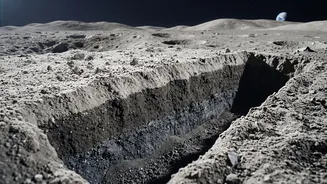
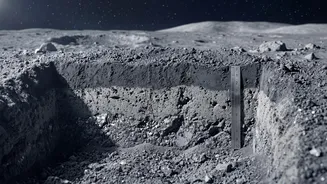
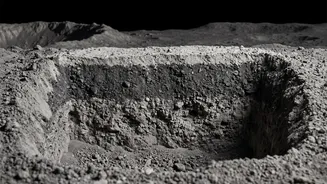
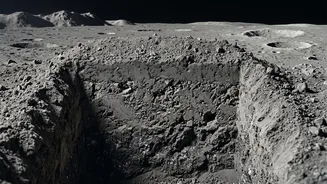
Beyond the plasma, another of Vikram's instruments, the Chandra’s Surface Thermophysical Experiment (ChaSTE), has been probing the secrets of the lunar soil, or regolith. The data has revealed that the top 10 centimetres of the Moon's soil are not uniform. Instead, they consist of at least three distinct layers with different thermal properties and densities. The uppermost layer is highly porous, acting as a powerful insulator. This explains the massive temperature difference—around 50-60°C—observed between the surface and a depth of just a few centimetres. These findings are critical for designing future lunar habitats and equipment, as burying infrastructure even a small depth could provide significant protection from the extreme temperature swings on the lunar surface.
Paving the Way for Safer Landings
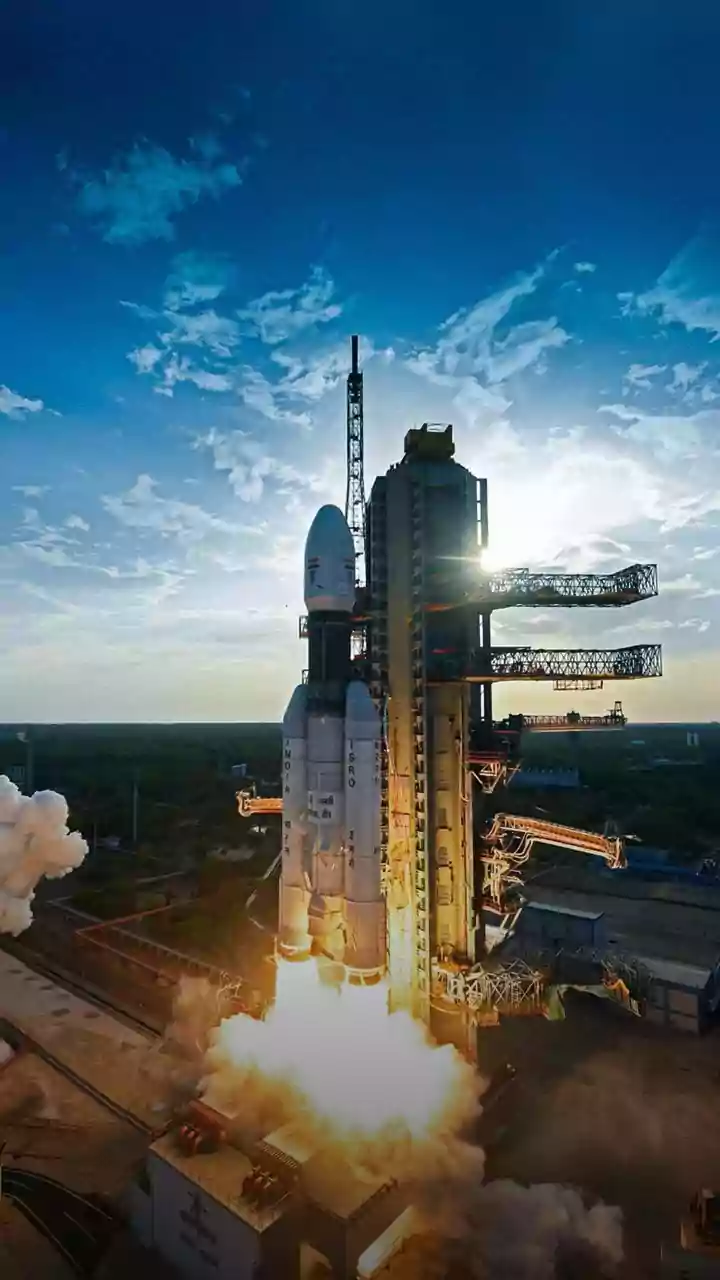
Together, these discoveries provide an invaluable 'ground truth' for scientists planning the next wave of lunar missions. The detailed profile of the plasma environment helps mitigate communication risks, a crucial factor for ensuring the safety of robotic and human explorers. Similarly, the thermal and physical properties of the soil directly inform the design of landing gear, rovers, and habitats. As nations around the world, including India, look towards establishing a more permanent presence on the Moon, the data sent back by Chandrayaan-3 is not just a scientific achievement; it's a practical roadmap for how to explore our nearest celestial neighbour safely and effectively.