



The Deceptive Cauliflower and Broccoli
Cauliflower and broccoli are notorious culprits. A large portion of their weight comes from the thick central stalk and surrounding leaves, which many households discard. While the florets are the main prize, you're paying the same price per kilogram
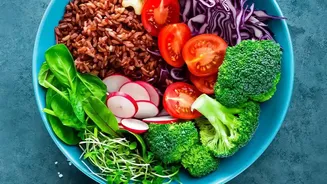
for the dense, heavy core. Some estimates show that a significant percentage of these vegetables can be non-floret parts. Before you buy, consider that pre-cut florets, while sometimes more expensive upfront, may offer better value by eliminating the cost of the discarded stalk entirely. However, a smarter and more sustainable approach is to use the whole vegetable. The stalks and leaves of both broccoli and cauliflower are perfectly edible and nutritious. You can peel the tough outer layer of the stalks, chop them up, and add them to stir-fries, soups, or curries for extra texture and nutrients.
Leafy Greens with Heavy Stems
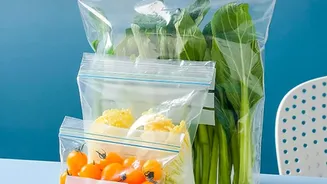
Many leafy greens, from kale to certain varieties of spinach and other local greens, come with thick, fibrous stems. When you're paying by weight, these stems can account for a surprising amount of the total cost. While tender stems are fine, the tougher ones often end up in the bin. To avoid this, inspect the bunch before buying. Look for greens with thinner, more flexible stems relative to the leaf volume. Alternatively, adopt a zero-waste mindset. Many of these tougher stems can be finely chopped and sautéed before adding the leaves, making them tender and flavourful. They can also be saved in the freezer along with other vegetable scraps to make a flavourful homemade broth later.
Fruits with Large Seeds and Thick Rinds
Think about fruits like watermelon, pumpkin, or even mangoes. A significant portion of what you pay for is the thick rind or the large, heavy seed. While there's no way to buy a watermelon without its rind, being mindful of this can influence your purchasing decisions. For example, when choosing between two fruits of similar size, one might have a noticeably thinner rind, offering more edible fruit for your money. In the case of pumpkins and other squash, remember that the seeds are not waste. When roasted with a bit of salt and spice, they become a delicious and nutritious snack. Even watermelon rinds can be pickled or used in certain Indian preparations, turning what is typically discarded into another dish.
The Water Weight in Packaged Goods
This issue isn't limited to fresh produce. Many packaged goods, especially in the refrigerated section, include excess liquid that adds to the weight. Think of paneer, tofu, or mozzarella cheese sold in water or brine. While the liquid is necessary for preservation, its volume can vary. Similarly, some frozen products, particularly seafood and chicken, can be glazed with a layer of ice. This ice adds to the weight you pay for but melts away upon thawing. When possible, compare brands or opt for fresh or vacuum-sealed options that minimise this 'water weight'. This ensures you're paying for the product itself, not the water it's sitting in.
Root Vegetables Sold with Their Tops
Carrots, beets, and radishes are often sold in attractive bunches with their leafy green tops still attached. These tops add considerable weight to your purchase. Unless you have a specific plan to use them, you are essentially paying for compost. The good news is that most of these greens are not only edible but also highly nutritious. Beet greens can be cooked just like spinach. Carrot tops can be blended into a pesto or added to salads for an earthy, parsley-like flavour. Radish tops are peppery and great when wilted into a stir-fry. If you know you won't use the greens, it's more economical to buy the roots loose. But if you're up for a culinary adventure, buying them with the tops gives you two ingredients for the price of one.