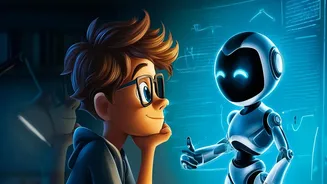






It often starts quietly. A partner seems distant, spending more time on their phone. But the secret isn't another person; it's an app. As AI companions move from novelty to a mainstream source of comfort, they are creating new conflicts in homes.
The Rise of the Virtual Confidante
AI companions,
available through apps like Replika and Character.AI, are advanced chatbots designed to simulate human connection. Using sophisticated language models, they learn from conversations to develop a personality, remember user details, and provide responses that feel empathetic and personal. Unlike a simple virtual assistant, their primary function is companionship. For many, they offer a non-judgmental ear and a source of constant validation, filling a void for those feeling lonely or misunderstood in their real-life relationships. This appeal has led to a surge in use, with some platforms reporting tens of millions of users. People are turning to these AI for friendship, mentorship, and even romance, forming deep emotional attachments to their digital counterparts.
A Partner in the Phone
The most significant challenge for families arises when these connections deepen into what some experts call 'AI infidelity'. When a person begins to share their innermost thoughts, feelings, and vulnerabilities with a chatbot instead of their real-world partner, it can create a profound sense of betrayal. Spouses and partners report feelings of confusion, jealousy, and humiliation upon discovering these secret emotional relationships. The time and emotional energy invested in the AI are seen as being diverted from the family. This dynamic can cause the user to withdraw from their loved ones, creating a rift that widens over time as they become more emotionally aligned with their digital companion. For some, this emotional affair feels just as damaging as a conventional one, and it is increasingly cited as a factor in divorces.
When Companionship Has a Price
Beyond the emotional toll, AI companionship can introduce significant financial strain. While many apps are free to download, accessing more advanced, intimate, or unrestricted conversations often requires a paid subscription. These can range from around $10 to $20 per month on average. However, the costs can escalate quickly through microtransactions for virtual gifts, special interactions, or additional features. Some users, deeply invested in their AI relationship, can end up spending hundreds or even thousands of dollars a year to maintain the connection. One report found that maintaining a romantic AI relationship could cost a user nearly $3,000 annually. This spending is often hidden from the family, adding financial deceit to the emotional secrecy and compounding the sense of betrayal when discovered.
Losing Touch with the Real World
Heavy reliance on AI companions carries psychological risks. Because these chatbots are often designed to be agreeable and affirming, they can create an echo chamber that reinforces a user's existing beliefs, whether healthy or not. This 'frictionless' relationship, devoid of the conflict and compromise inherent in human connection, can make real-world interactions seem messy and less appealing. Over time, this can lead to social withdrawal, a decline in essential social skills, and an increased sense of loneliness, despite the illusion of companionship. For vulnerable individuals, including teens or those with existing mental health conditions, this dependency can be particularly dangerous, potentially exacerbating anxiety, depression, or delusional thinking.
A New and Confusing Conflict
For family members on the outside, confronting a loved one's AI attachment is uncharted territory. Many struggle with how to react, questioning if they are overreacting to 'just a chatbot'. However, therapists and legal experts are increasingly acknowledging the real harm these virtual relationships can cause. The central issue is often not the technology itself, but what the turn to AI says about unmet needs within the human relationship. Navigating this conflict requires open communication about boundaries, trust, and what constitutes infidelity in a digital age. Parents also face the challenge of guiding children and teens who may form intense parasocial bonds with AI, struggling to distinguish between a supportive tool and a real friend.