


Know Before You Go: Research is Key
A safe hike begins long before you reach the trailhead. The first step is to choose a trail appropriate for your group's fitness and experience level. Websites like Parks Canada and Alberta Parks provide detailed trail reports, including current conditions,
closures, and any wildlife warnings. Check these resources right before you leave home, as conditions can change rapidly. Familiarize yourself with a map of the area, and consider bringing a physical copy or an offline version on your phone, as cell service is often unreliable in the mountains. Finally, always leave a detailed trip plan with someone you trust. Let them know your intended route and your expected time of return.
Pack for All Four Seasons
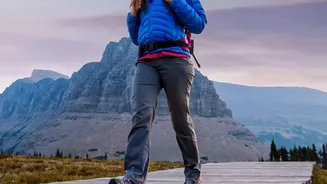
Mountain weather is famously unpredictable; a sunny morning can quickly turn into a cold, rainy, or even snowy afternoon. The key to comfort and safety is layering. Start with a moisture-wicking base layer to keep your skin dry. Add an insulating middle layer, like a fleece or down jacket, for warmth. Top it off with a waterproof and windproof outer shell. Avoid cotton clothing, as it absorbs moisture and takes a long time to dry, which can be dangerous in cold conditions. A warm hat, gloves, and quality hiking socks are also non-negotiable, even on a summer day.
The Ten Essentials for Your Daypack
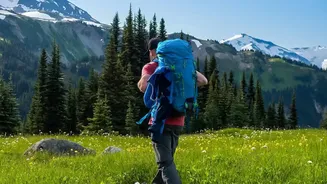
Even for a short hike, your backpack should contain the 'Ten Essentials' to prepare you for any emergency. This includes a flashlight or headlamp, navigation tools (map, compass, GPS), extra food and water, a first-aid kit, a fire starter, a knife or multi-tool, sun protection (sunscreen, sunglasses), and an emergency shelter like a foil blanket. Pack plenty of high-energy snacks and more water than you think you'll need. Proper hiking boots with good ankle support are crucial for navigating uneven and potentially slippery terrain.
Wildlife Wisdom: Staying Bear Aware
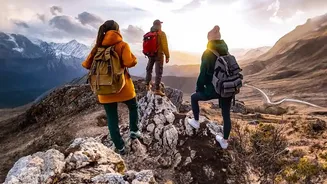
The Canadian Rockies are home to both black and grizzly bears. While encounters are rare, it's vital to be 'bear aware'. Hike in a tight group of four or more if possible, as there has never been a recorded bear attack on a group this size. Make noise regularly by talking loudly, singing, or shouting 'Hey, bear!' to avoid surprising an animal. Carry bear spray, know how to use it, and keep it in an accessible place like a hip holster—not inside your pack. Never feed or approach wildlife. If you do see a bear, stay calm, speak in a low voice, and slowly back away. Do not run.
Leave No Trace: Protecting the Landscape
Part of a safe hike is ensuring the environment remains safe for wildlife and future visitors. The 'Leave No Trace' principles are your guide. Stay on designated trails to prevent erosion and protect delicate vegetation. Pack out everything you pack in, including all food scraps and garbage. If you encounter wildlife, observe from a distance; Parks Canada recommends staying at least 100 metres from bears and 30 metres from animals like elk and deer. The goal is to leave the wilderness exactly as you found it, preserving its beauty for generations to come.