




The Familiar Frustration of Overcrowding
For decades, places like Shimla, Manali, and Mussoorie have been the go-to solution for city dwellers looking to escape the heat and hustle. Today, that escape often involves trading city traffic for mountain traffic. Recent reports describe massive influxes
of tourists, especially during long weekends, leading to gridlock that can stretch for kilometers. Drone footage from Manali has shown roads completely choked with vehicles, as the local infrastructure struggles to cope with the sheer volume of visitors. Hotels report near-full occupancy, and popular spots are so packed that the very peace travelers seek becomes impossible to find. This situation has led to a growing sentiment that a weekend getaway to a popular hill station can be just as stressful as the city life left behind.
A Shift from Sightseeing to 'Slow' Travel
The modern Indian traveler's mindset is evolving. The post-pandemic era has amplified a desire for more meaningful and authentic experiences over simply ticking off a checklist of famous spots. Travelers are no longer content with a selfie at a crowded viewpoint; they crave connection, tranquility, and a genuine feel for the local culture. This has given rise to the concept of 'slow travel,' where the goal isn't to see as much as possible, but to immerse oneself in a single location. Instead of rushing between tourist traps, people are choosing to explore quaint villages, learn about local traditions, and simply disconnect from the frantic pace of modern life. This search for authenticity is a major driver behind the move away from commercialized hill stations.
The Allure of the Undiscovered
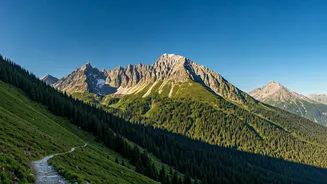
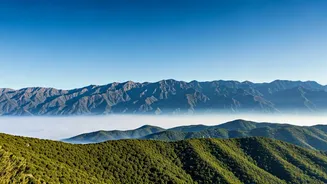
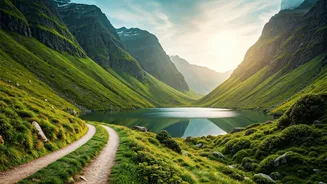
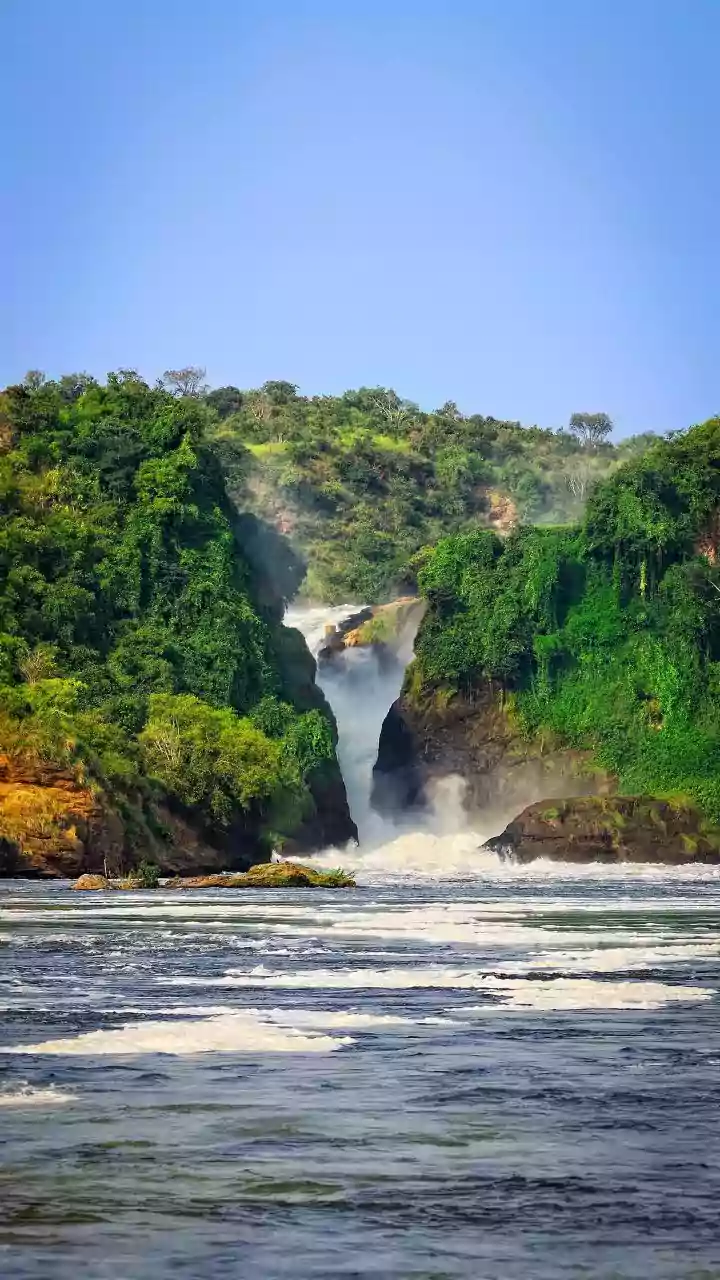
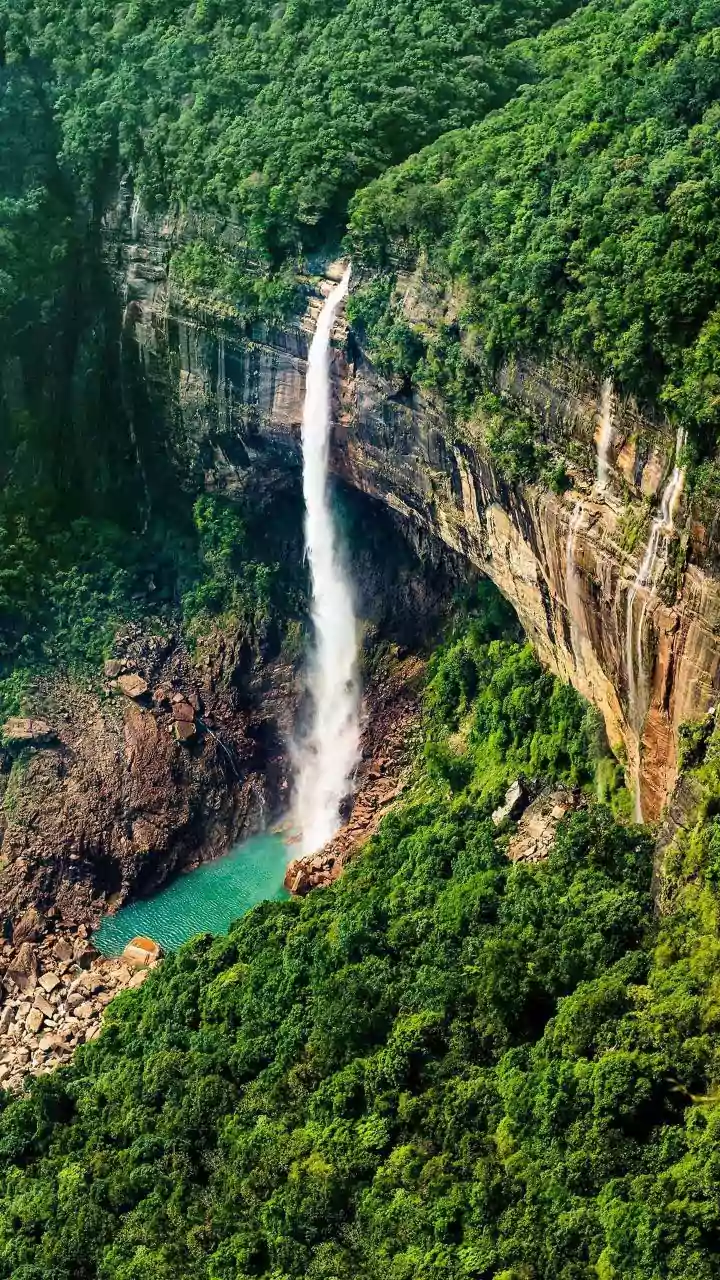
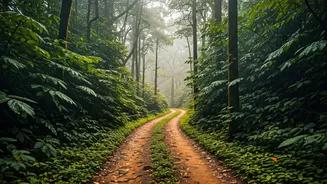
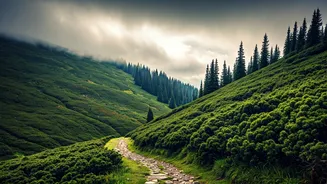
As mainstream destinations become saturated, a new map of travel is being drawn across India. Travelers are actively seeking out offbeat locations that promise serenity and unique experiences. Places like Tirthan Valley and Barot in Himachal Pradesh, Ziro Valley in Arunachal Pradesh, and Munsiyari in Uttarakhand are gaining popularity. These destinations offer untouched natural beauty, from lush meadows and pristine rivers to quiet mountain trails. The appeal lies in their relative obscurity, which translates to fewer crowds and a more peaceful atmosphere. This trend is also visible in other parts of the country, with travelers exploring the tranquil backwaters of Kerala, the unique river island of Majuli in Assam, and the serene coastal towns of Karnataka like Gokarna.
The Rise of Homestays and Experiential Stays
The shift in destination preference is mirrored by a change in accommodation choices. Large, impersonal hotels are being passed over in favor of homestays, boutique villas, and eco-resorts. This trend is fueled by a desire for genuine human connection and a taste of local life. Staying in a homestay allows travelers to interact with their hosts, enjoy home-cooked meals, and gain insider knowledge about the area. This move towards experiential stays is not just about affordability; it's about finding value in cultural immersion and personalized hospitality. The homestay sector has seen monumental growth, empowering local families and promoting a more sustainable model of tourism that benefits communities directly.
The Lasting Impact of 'Work from Anywhere'
The normalization of remote work has fundamentally changed travel patterns. The 'workation' — blending work with vacation — has become a defining trend. Professionals are no longer restricted to short weekend trips. They can now spend weeks or even months working from scenic, peaceful locations. This flexibility allows them to avoid the weekend rush and explore destinations more deeply. Improved internet connectivity in once-remote areas has made this possible, with many homestays and hostels now catering specifically to digital nomads. This allows travelers to escape urban burnout and find a better work-life balance, further fueling the demand for quieter, long-stay destinations over quick, crowded getaways.