







Who Conducts the Inspections?
Food safety in Bengaluru is a serious business overseen by officials from a few key bodies. The primary agencies are Karnataka's Food Safety and Drug Administration (FSDA) and the Bruhat Bengaluru Mahanagara Palike (BBMP) health department. These departments
deploy designated Food Safety Officers (FSOs) to conduct checks. These inspections are grounded in the Food Safety and Standards Act, 2006, which sets the rules for all food businesses in India. Inspections can be routine, but often they are surprise visits, sometimes triggered by consumer complaints or as part of a targeted city-wide enforcement drive. Recent drives have shown that no establishment is exempt, with inspectors visiting everything from roadside stalls and government canteens to luxury five-star hotels and the warehouses of quick-commerce companies.
The Inspector's Checklist: A Top-to-Bottom Review
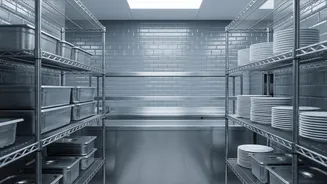
When an FSO enters a kitchen, they are armed with a comprehensive checklist designed to spot any potential health hazard. Their evaluation is meticulous and covers several key areas. First is the general hygiene of the premises, including the cleanliness of floors, walls, and ceilings. They check for proper ventilation and lighting, and ensure an adequate drainage system is in place. A major focus is pest control; inspectors will look for evidence of rodents or insects like cockroaches and verify that the establishment has proper pest control measures documented. Food handlers' personal hygiene is also scrutinised, ensuring staff wear clean uniforms, hairnets, and gloves where necessary, and have access to proper handwashing stations. They also verify that all required licenses, especially the FSSAI license, are valid and prominently displayed.
From Raw Materials to the Final Dish
The journey of the food itself is a critical part of the inspection. Officials examine how raw materials are sourced and stored. This includes checking for the proper segregation of vegetarian and non-vegetarian items to prevent cross-contamination, and ensuring raw meat and vegetables are stored correctly. They look for expired products, from spices and milk to meat and vegetables. Recent raids in Bengaluru have uncovered large quantities of expired or rotten food items, even in high-end establishments. Temperature control is another vital checkpoint. Inspectors ensure that refrigerators and freezers are functioning at the correct temperatures to keep perishable food safe. They also look at cooking practices, such as whether cooking oil is being reused excessively, a common violation that has led to seizures.
Consequences of a Failed Inspection
The consequences for failing a food safety inspection vary depending on the severity of the violations. For minor issues, an officer might issue an improvement notice, giving the restaurant a specific timeframe to rectify the problems and report back. However, for more serious lapses, the penalties can be significant. Health officials can impose on-the-spot fines, with recent penalties ranging from thousands to tens of thousands of rupees for violations like unhygienic conditions, improper waste segregation, and using expired products. In cases where unsafe food is found, officials have the authority to seize and destroy the items. For critical violations that pose an immediate risk to public health, such as severe pest infestations or extremely unhygienic kitchens, authorities can suspend or even permanently cancel the restaurant's operating license and order an immediate shutdown of the kitchen or the entire establishment.
The Consumer's Role in Food Safety
While official inspections are the primary line of defense, consumers also play a part in upholding standards. Many recent inspection drives have been initiated based on public complaints. If you have a bad experience or suspect poor hygiene at an establishment, you have the right to report it to the food safety authorities. Residents' feedback has been a welcome part of the recent crackdowns, with many expressing that such checks were long overdue. Officials have noted that some restaurants prioritize their dining room's ambiance over the actual state of the kitchen. By being vigilant and reporting concerns, customers help ensure that the health and safety behind the scenes are given the highest priority.