





More Than Just a Light Meal
In our fast-paced lives, digestive discomforts like bloating and constipation are all too common. While many factors contribute, diet plays a crucial role. A well-constructed salad bowl provides an abundance of dietary fibre, which is essential for good
gut health. Fibre helps to add bulk to stool, promote regular bowel movements, and nourish the beneficial bacteria that reside in your gut. But beyond the general benefits of leafy greens, specific ingredients can elevate your salad from a simple lunch to a digestive powerhouse. Let's explore how cucumber, beetroot, and sprouts work to support your digestive wellness.
The Cooling Power of Cucumber
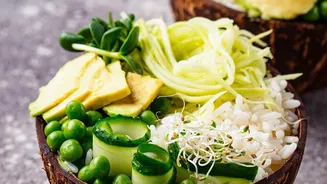
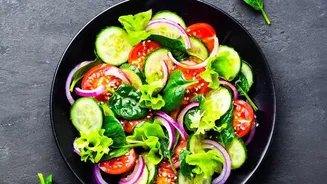
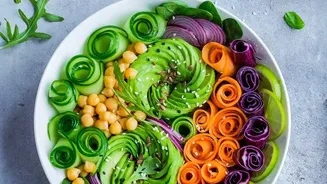
Cucumbers are a salad staple for a reason. Composed of about 96% water, they are incredibly hydrating. Proper hydration is fundamental for digestion, as it helps the body break down food, absorb nutrients effectively, and prevent constipation by softening stool. Beyond their water content, cucumbers provide a healthy dose of fibre, particularly in their peel. They contain a type of soluble fibre called pectin, which can help increase the frequency of bowel movements and supports the health of your gut by feeding beneficial bacteria. This combination of water and fibre makes cucumber an excellent ingredient for maintaining digestive regularity.
Beetroot: The Unsung Digestive Hero
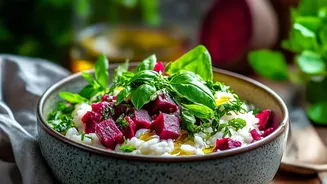
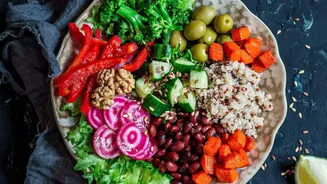
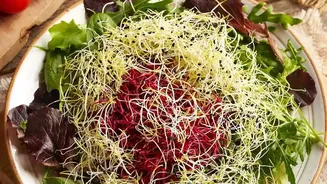
This vibrant root vegetable is packed with benefits for your gut. Beetroot is a fantastic source of both soluble and insoluble fibre. Insoluble fibre adds bulk to waste, helping it move through your system, while soluble fibre absorbs water to make everything pass more comfortably. This duo is effective in promoting regularity and preventing constipation. Beetroot also serves as a prebiotic, feeding the good bacteria like Bifidobacteria and Lactobacilli in your colon. Furthermore, the betalain pigments that give beets their rich colour are powerful antioxidants that may help soothe the digestive tract lining by reducing oxidative stress.
Sprouts: A Burst of Digestive Enzymes
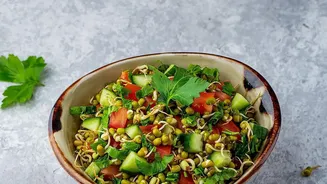
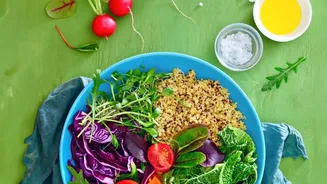
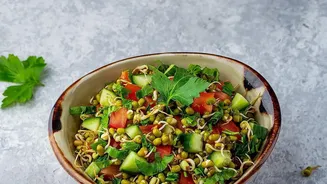
Sprouts are essentially germinated seeds, and this process of germination unlocks a wealth of nutritional benefits. One of the most significant advantages for digestion is the increased presence of enzymes. These enzymes help break down carbohydrates, proteins, and fats, making foods easier for your body to digest and reducing the strain on your gastrointestinal system. The sprouting process also boosts fibre content, which helps nourish gut bacteria and ensures smooth movement through the digestive tract. Sprouting can also reduce compounds known as anti-nutrients, which can otherwise interfere with your body's ability to absorb minerals.
Building Your Perfect Digestive Bowl
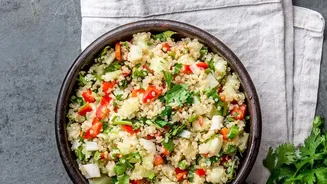
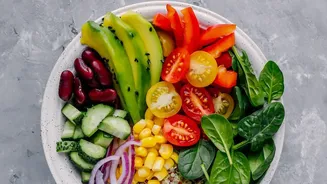
Creating a salad that’s both delicious and beneficial for your gut is easy. Start with a base of diverse leafy greens. Then, add generous amounts of chopped cucumber, grated or cooked beetroot, and a handful of your favourite sprouts, like mung bean or broccoli sprouts. To make it a more complete meal, consider adding a source of lean protein and healthy fats, such as grilled chicken or paneer, and a handful of nuts or seeds. A simple dressing of olive oil, lemon juice, and herbs can enhance the flavour without adding unhealthy fats or sugars. The key is variety; the more diverse your plant intake, the more resilient and balanced your gut microbiome will become.