





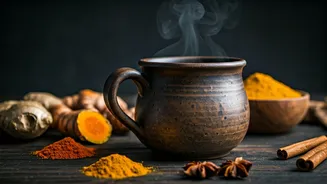


A Tradition Steeped in Wellness
Before fizzy tablets and cough syrups became commonplace, Indian households relied on a potent, aromatic brew known as kadha. This herbal decoction, rooted in Ayurvedic principles, is a generations-old answer to common ailments, especially those that
accompany seasonal changes. Every family has its own slight variation, a secret passed down from a grandmother or a great-aunt, but the core philosophy remains the same: harness the natural power of herbs and spices to support the body’s defences. During the monsoon, when humidity and fluctuating temperatures can weaken our immunity, kadha becomes less of a medicine and more of a comforting daily ritual.
The Power Duo: Ginger and Tulsi
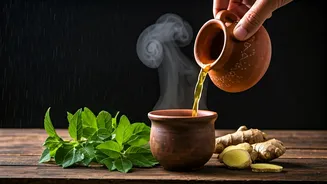
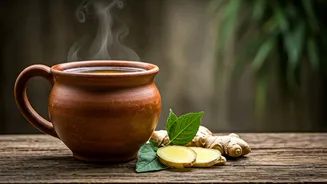
At the heart of this particular remedy are two of India’s most celebrated ingredients. Ginger, or ‘adrak’, is a powerhouse. Its pungent, warming quality is no coincidence; it contains gingerol, an active compound with potent anti-inflammatory and antioxidant effects. It’s traditionally used to soothe a sore throat, aid digestion, and induce a feeling of warmth, making it ideal for combating the damp chill of a rainy day. Then there is Tulsi, or Holy Basil. Revered in Indian culture as the “Queen of Herbs,” Tulsi is classified as an adaptogen, meaning it helps the body adapt to stress and promotes mental balance. Its antimicrobial and antiviral properties make it a first line of defence against respiratory issues like coughs and colds. When combined, ginger and tulsi create a synergistic effect, offering both immediate comfort and long-term support for your immune system.
Crafting Your Perfect Monsoon Brew
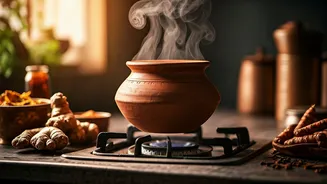
Making this healing concoction at home is incredibly simple. You don’t need fancy equipment, just a small saucepan and a few common kitchen ingredients. Here’s a basic recipe you can adapt to your taste: 1. **Gather your ingredients:** Take a one-inch piece of fresh ginger (crushed or grated), 8–10 fresh Tulsi leaves, 2 cups of water, 4–5 black peppercorns (lightly crushed), and 2 cloves. 2. **Boil:** Combine the water, ginger, Tulsi, peppercorns, and cloves in a saucepan. Bring the mixture to a boil. 3. **Simmer:** Reduce the heat and let the kadha simmer for 10–15 minutes. This allows the water to absorb the beneficial compounds from the herbs and spices. The liquid will reduce to about half its original volume. 4. **Strain and Serve:** Turn off the heat and strain the liquid into a cup. 5. **Sweeten (Optional):** Wait for the kadha to cool down slightly before adding a teaspoon of raw honey or a small piece of jaggery. Adding honey to boiling liquid can diminish its beneficial properties.
Customise Your Kadha
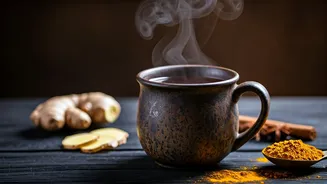
The beauty of kadha lies in its versatility. The ginger-tulsi base is a fantastic starting point, but you can easily tailor it to your needs or what you have available. A small stick of cinnamon can add extra warmth and help regulate blood sugar. A pinch of turmeric can lend its powerful anti-inflammatory compound, curcumin (the black pepper in the recipe helps your body absorb it). Some people add a few mint leaves for a refreshing note or a pinch of ajwain (carom seeds) to aid digestion. Feel free to experiment and create a blend that not only feels good for your body but also appeals to your palate. The goal is to create a brew that you’ll genuinely enjoy sipping.
More Than a Drink, It's a Ritual
While the health benefits are undeniable, calling ginger-tulsi kadha just a “remedy” misses the point. The very act of preparing it is a form of mindfulness. The process of crushing the ginger, picking the tulsi leaves, and inhaling the fragrant steam as it simmers is a grounding ritual. It’s a sensory experience that connects us to nature, to tradition, and to the simple act of caring for ourselves. On a gloomy, rain-soaked afternoon, cupping your hands around a warm mug of kadha is pure comfort. It’s a hug in a mug, a liquid balm for the body and soul that wards off the monsoon blues as effectively as it does the common cold.