






Why Humidity Is a Game-Changer
Working out in high humidity presents a unique challenge to the body. Normally, your body cools itself through the evaporation of sweat. However, when the air is already saturated with moisture, sweat can't evaporate efficiently. This means your body's
primary cooling mechanism is compromised, causing your core temperature to rise more quickly. Your heart has to pump harder to send blood to the skin's surface in an attempt to cool down, putting extra strain on your cardiovascular system. This process leads to increased fluid loss, not just of water but also of crucial minerals called electrolytes, which can rapidly lead to dehydration, fatigue, and decreased performance.
Coconut Water: Nature’s Hydrator
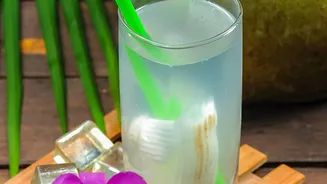
This is where coconut water steps in as a formidable base for a workout drink. It is naturally rich in electrolytes, particularly potassium, which is essential for maintaining fluid balance and proper muscle function. A single serving can contain more potassium than a banana. While some studies show plain water can be just as effective for hydration in normal conditions, coconut water's natural blend of electrolytes, including potassium, magnesium, and calcium, makes it a beneficial choice for replenishing what's lost through heavy sweating. Unlike many commercial sports drinks, natural coconut water is low in sugar and free from artificial additives, offering a clean source of hydration.
The Essential Role of Rock Salt
While coconut water is high in potassium, it is naturally low in sodium—the main electrolyte lost in sweat. This is why adding a pinch of salt is not just for flavour; it's a functional necessity. Sodium is critical for fluid balance, nerve signalling, and muscle contractions. Replenishing sodium helps your body absorb and retain water more effectively, preventing the dangerous drop in sodium levels that can occur from drinking only plain water during intense, prolonged exercise. Using an unrefined salt like Himalayan pink salt or rock salt can be beneficial as they contain a spectrum of trace minerals, unlike processed table salt.
A Squeeze of Lemon for an Extra Boost
The addition of lemon juice does more than just cut through the sweetness of the coconut water and the saltiness. Lemons are a fantastic source of Vitamin C, a powerful antioxidant that supports the immune system. For athletes, this is particularly useful as intense exercise can create oxidative stress. Some proponents also suggest lemon water can aid digestion and even enhance skin health by promoting collagen production. While it's not a magic ingredient, its refreshing taste and nutritional benefits make it a worthy addition to your hydration strategy, encouraging you to drink more fluids.
Your DIY Power-Up Recipe
Creating your own natural electrolyte drink is simple, cost-effective, and allows you to control the ingredients. There's no single perfect ratio, so feel free to adjust to your personal taste and workout intensity. Basic Recipe: 250ml (approx. 1 cup) of fresh, unsweetened coconut water: This forms your electrolyte-rich base. A pinch of rock salt or Himalayan pink salt: About 1/8th of a teaspoon is a good starting point. This replenishes lost sodium. Juice of half a lemon: For flavour, Vitamin C, and that refreshing kick. (Optional) 1 teaspoon of honey or maple syrup: If you need an extra energy boost for a particularly long or intense session, a natural sweetener can provide easily digestible carbohydrates. Simply mix all the ingredients together in a bottle, shake well, and chill. For best results, start sipping about two hours before your workout and continue throughout your session to stay ahead of dehydration.