
The Two Types of Iron
Iron is a vital mineral that our bodies use to create haemoglobin, the protein in red blood cells that carries oxygen from our lungs to the rest of the body. Not all dietary iron is the same. It comes in two forms: heme and non-heme. Heme iron is found
in animal products like meat, poultry, and fish. It's highly bioavailable, meaning our bodies can absorb it quite easily. Non-heme iron, on the other hand, is found in plant-based foods like lentils, beans, tofu, spinach, and fortified grains. While abundant, non-heme iron is significantly harder for our bodies to absorb. This is because plant foods also contain compounds like phytates and tannins that can bind to iron and inhibit its absorption.
Vitamin C: The Key to Unlocking Plant Iron
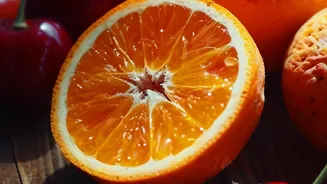
This is where Vitamin C, also known as ascorbic acid, comes to the rescue. When consumed in the same meal, Vitamin C acts as a powerful enhancer of non-heme iron absorption. It works its magic in two primary ways. First, it helps convert the plant-based iron (which is in a ferric, Fe3+, state) into a more soluble form (the ferrous, Fe2+, state) that our intestines can readily absorb. Second, Vitamin C forms a protective bond with the iron, keeping it soluble and preventing it from binding with inhibitors like phytates as it travels through the digestive system. Studies have shown that this effect is significant; adding even a modest amount of Vitamin C to a meal can dramatically boost how much iron your body gets.
Smart Pairings for Your Indian Kitchen
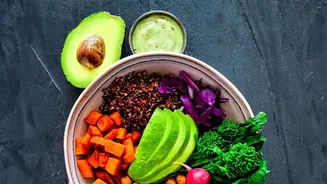
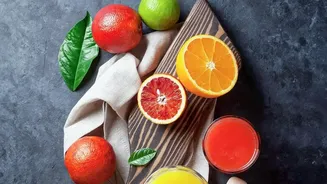
Integrating this principle into your daily meals is simple and doesn't require drastic changes. The key is to consciously combine your iron-rich plant foods with sources of Vitamin C. Many traditional Indian food pairings already do this naturally. For example, squeezing lemon or lime juice over a bowl of dal (lentils) or a plate of palak (spinach) is a classic way to enhance flavour and, as it turns out, iron absorption. Cooking chickpeas (chana) with tomatoes, or adding bell peppers (capsicum) to a bean salad or stir-fry are other excellent combinations. Even finishing a grain bowl with a citrus-based dressing can make a substantial difference.
More Winning Combinations
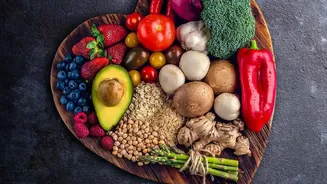
To make this a daily habit, think about adding a pop of colour and freshness to your iron-rich meals. Here are some more ideas: - Add chopped tomatoes and bell peppers to your poha or upma. - Pair a spinach or mixed greens salad with a dressing made from fresh lemon juice. - Enjoy a side of amla (Indian gooseberry) pickle or chutney with your meals. - Blend fruits like strawberries, oranges, or mangoes into a smoothie that also contains spinach or chia seeds. - Serve roasted sweet potatoes alongside a black bean curry. The goal is to have a source of iron and a source of Vitamin C on the same plate, working together to nourish your body.
What to Watch Out For
Just as Vitamin C enhances absorption, other compounds can hinder it. The main culprits in plant-based diets are tannins, found in tea and coffee, and phytates, present in whole grains, legumes, and nuts. Calcium can also interfere with iron uptake. This doesn't mean you should avoid these foods, as they offer their own health benefits. Instead, be strategic with timing. Try to drink your tea or coffee at least an hour before or after your iron-rich meals to minimise their inhibitory effect. Similarly, if you take a calcium supplement, consider having it at a different time of day than your main iron-focused meal.