



Beyond the Filter: Meet Noon Chai
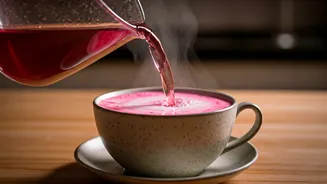
The captivating pink tea flooding your Instagram and Pinterest boards is not a modern concoction from a trendy café. It’s Noon Chai, a traditional salted tea from the Kashmir Valley. While its aesthetic appeal is undeniable, its flavour profile is what
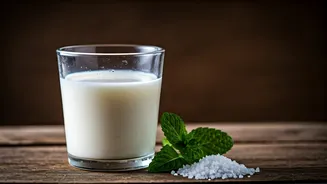
makes it truly unique. Forget the sweet, milky chai you might be used to; Noon Chai is savoury, creamy, and wonderfully complex. It has a distinct, slightly thick texture and a salty kick that surprises and delights the palate. Traditionally served in a bowl-like cup called a 'khos,' it's a staple in Kashmiri households, consumed multiple times a day to fend off the cold and as a symbol of hospitality.
The Science of That Perfect Pink
The magical pink hue isn’t from food colouring or any artificial additives. It’s the result of a fascinating chemical reaction. Noon Chai is made from specific green tea leaves, often a variety from Assam. The real magic happens when a pinch of baking soda (phul, in Kashmiri) is added to the tea leaves while they brew. The alkaline baking soda reacts with the chlorophyll in the tea leaves. As the mixture is boiled and vigorously aerated—a process known as 'phaintna,' where the tea is repeatedly poured from a height—the catechins in the tea undergo oxidation. This reaction, under alkaline conditions, transforms the brew from a reddish-brown to a deep, rich pink or magenta when milk is finally added. It's pure kitchen chemistry, a technique perfected over generations.
More Than Just a Pretty Drink
For Kashmiris, Noon Chai is deeply woven into the fabric of daily life and culture. It’s the first thing you’re offered when you visit a home, a gesture of warmth and welcome. It’s a constant companion through the harsh winters, providing comfort and energy. Served with traditional breads like girda, tsochwor, or bakarkhani, it forms a quintessential Kashmiri breakfast. Its new-found identity as an 'aesthetic' drink on social media presents a fascinating contrast. While the visual trend introduces this beautiful beverage to a wider audience, it’s important to remember its roots as a symbol of resilience, community, and everyday life in Kashmir, not just a photogenic prop.
The Art of Making It at Home
Making authentic Noon Chai is an act of patience, not just a recipe. While it seems complex, the process is straightforward. You begin by boiling the special tea leaves with a pinch of baking soda and a little water until the liquid reduces to a thick, dark concentrate called 'syun.' This can take a while. The key step is then 'shocking' this concentrate with ice-cold water, which helps lock in the colour. Once you have this base, you add milk, salt to taste, and sometimes a dollop of cream or butter for extra richness. The mixture is then gently heated without bringing it to a rolling boil. Finally, it’s aerated one last time before being served hot, often garnished with crushed nuts like pistachios and almonds. Don’t rush the process; the slow brewing is what develops its unique flavour and colour.
Why is it Trending Now?
The resurgence of Noon Chai on digital platforms can be attributed to a perfect storm of trends. Firstly, its unique colour is tailor-made for the visual world of Instagram. It's eye-catching and different, standing out in a sea of lattes and cappuccinos. Secondly, there’s a growing appetite across India for exploring regional cuisines and authentic culinary traditions. Food lovers are moving beyond mainstream dishes to discover hidden gems. Noon Chai fits perfectly into this narrative of culinary discovery. It offers a story, a unique flavour, and a beautiful visual, making it the ideal candidate for viral fame among a new generation of food enthusiasts.