


The Problem with Humidity
On a typical hot day, your body cools itself down by sweating. As sweat evaporates from your skin, it takes heat with it, providing a natural cooling effect. However, when the air is already saturated with moisture—as it is during periods of high humidity—that
evaporation process slows down dramatically. Your body still produces sweat, but it can't evaporate effectively to cool you off. This forces your system to work much harder, leading to more profuse sweating as it tries to compensate. The result is not just a feeling of being constantly damp, but a greater loss of body fluid and an increased risk of overheating and fatigue.
Why Water Alone Isn't Always Enough
When you sweat heavily, you don't just lose water. You also lose vital minerals known as electrolytes. These minerals—including sodium, potassium, magnesium, and calcium—carry an electric charge and are essential for many of your body's most critical functions. They help regulate fluid balance, enable muscle contractions (including your heartbeat), and transmit nerve signals throughout your body. If you only replace the lost fluid with plain water, you can dilute the concentration of the remaining electrolytes in your system. This imbalance can lead to a condition called hyponatremia (low sodium) in extreme cases, and more commonly, it prevents your body from properly absorbing and using the water you're drinking.
Signs of an Electrolyte Imbalance
An electrolyte imbalance can manifest in ways that are often dismissed as simple exhaustion from the heat. Recognising these signs is the first step toward correcting the issue. Common symptoms include persistent fatigue, headaches, and muscle cramps or weakness. You might also experience dizziness, nausea, confusion, or an irregular heartbeat. These are all signals from your body that it needs more than just water to function correctly. Paying attention to these subtle cues can help you prevent more serious issues like heat exhaustion.
How to Replenish Electrolytes Naturally
Replenishing your electrolytes doesn't always require a special sports drink. Many everyday foods are excellent natural sources. For a potassium boost, turn to bananas, avocados, sweet potatoes, and coconut water. Leafy greens like spinach and kale are rich in both calcium and magnesium. For a healthy source of sodium, a glass of traditional Indian buttermilk (chaas) or nimbu pani with a pinch of salt can be incredibly effective. Other great options include yogurt, nuts, seeds, and watermelon. Prioritising these foods, especially after spending time in the heat, is a smart and effective strategy.
Smart Hydration Habits for Humid Days
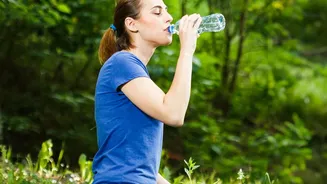
Staying properly hydrated in humid weather is about consistency. Don't wait until you feel thirsty, as thirst is often a delayed sign of dehydration. Start your day with a glass of water to rehydrate after sleeping. Keep a reusable water bottle with you and sip from it regularly throughout the day. If you know you'll be exercising or spending a significant amount of time outdoors, plan ahead. Consider having a natural electrolyte-rich drink like coconut water or a simple homemade nimbu pani beforehand. It’s also wise to avoid excessive caffeine and sugary drinks, as these can contribute to dehydration.