








Master Your Flight and Visa Strategy
Flights are often the biggest single expense, but timing is everything. Booking your tickets two to three months in advance, especially for travel during the shoulder seasons (May-October), can lead to significant savings. Flights from cities like Kolkata
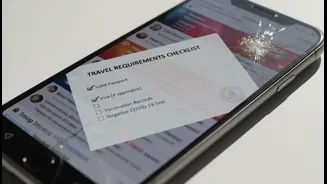
and Chennai also tend to be cheaper than those from Delhi or Mumbai. As for entry, the visa rules have seen changes. In mid-2026, the visa-free scheme was replaced, requiring Indian tourists to get a Visa on Arrival (VoA). The VoA is valid for a 15-day stay and costs THB 2,000 (approx. ₹4,600-₹5,900), payable in cash at the airport. For longer stays of up to 60 days, applying for a single-entry e-Visa online in advance is a more practical and often cheaper option.
Choose Your Accommodation Wisely
Your stay doesn't have to break the bank. While luxury resorts are plentiful, Thailand excels in offering clean, comfortable, and affordable alternatives. Consider guesthouses, hostels, and boutique hotels which can cost as little as ₹700-₹1,500 per night. In cities like Bangkok, staying in areas like Sukhumvit or near a BTS Skytrain or MRT station gives you access to budget-friendly stays without sacrificing connectivity. In Chiang Mai, the Old City is known for its heritage guesthouses. For beach destinations, look for bungalows or resorts slightly away from the main beachfront for better prices. Exploring options on booking platforms and reading recent reviews is key to finding hidden gems.
Eat Like a King on a Local's Budget
One of Thailand's greatest draws is its food, and the best of it is often the cheapest. Street food is not just a budget-friendly choice; it's an essential cultural experience. A delicious and filling meal of Pad Thai or Khao Soi can be found for as little as ₹80-₹150. For variety, food courts inside shopping malls offer clean, air-conditioned spaces with a wide range of authentic dishes at similar prices. A daily food budget of ₹700-₹1,000 is realistic if you primarily eat at local stalls and markets. Limiting meals at tourist-centric restaurants with English-language photo menus will dramatically cut your daily spending.
Travel Smart, Save Big
Getting around in Thailand can be incredibly cheap if you use local transport. In Bangkok, the BTS Skytrain and MRT subway system are efficient ways to bypass traffic. For shorter distances, avoid unmetered taxis and tuk-tuks that cater exclusively to tourists. Instead, use ride-hailing apps like Grab or Bolt for transparent, fixed pricing. In cities like Chiang Mai, songthaews (shared red trucks) are a fun and very cheap way to get around. For inter-city travel, overnight trains and buses are a fantastic option; they are cost-effective and save you the price of one night's accommodation.
Be Savvy with Sightseeing and Shopping
Many of Thailand's most beautiful attractions are free. Enjoying the country's public beaches or exploring the grounds of many temples costs nothing. For paid attractions, consider booking combination tour packages from local agencies rather than hotels, as they often offer better rates. When shopping at local markets, remember that bargaining is part of the culture; the first price quoted is rarely the final one. For essentials, convenience stores like 7-Eleven are found on almost every corner and offer cheap snacks, drinks, and toiletries. By mixing free activities with a few well-chosen paid experiences, you can have a rich itinerary without overspending.