




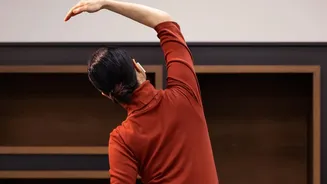
The modern workday often means being tethered to a desk, leading to stiffness and the health risks of a sedentary lifestyle. But what if your workspace could subtly nudge you to move more? It can. Here’s how to redesign your setup to break the cycle.
Decentralise Your Essentials
Convenience is the enemy of movement. Take a look at your desk: is everything you need within arm's reach? Your water bottle, phone, notebook, and pens? By strategically 'decentralising' these items, you can build activity into your day. Place your water bottle or glass at a drink station across the room, forcing you to get up for every refill. Similarly, move your rubbish bin away from your desk to a central location. If you use a printer or scanner regularly, position it in another corner of the room. These small, repeated trips may seem insignificant, but they interrupt long periods of sitting and add up over the course of a week, improving circulation and preventing muscle stiffness.
Make Your Desk Dynamic
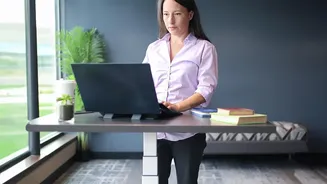
The single best way to combat a static posture is to change it. A desk that allows for both sitting and standing is a powerful tool. You don’t necessarily need a full-sized motorised standing desk; an adjustable desktop converter or riser can provide the same benefit. The key is to alternate between sitting and standing throughout the day. Some experts suggest changing your position every 45 to 60 minutes. When standing, use a cushioned mat to reduce foot fatigue. This simple change engages different muscle groups, burns more calories than sitting, and can significantly reduce the strain on your lower back.
Elevate Your Screen
Poor screen position is a primary cause of 'tech neck' and upper back pain. Laptops are particularly notorious for encouraging a hunched-over posture as you angle your head down to see the screen. To fix this, raise your monitor so the top of the screen is at or slightly below eye level, allowing you to look straight ahead. For laptop users, this means investing in a laptop stand and an external keyboard and mouse. This setup not only promotes a healthier, neutral spine alignment but also encourages micro-movements as you adjust your gaze and posture, preventing you from locking into a single, strained position.
Rethink Your Seating
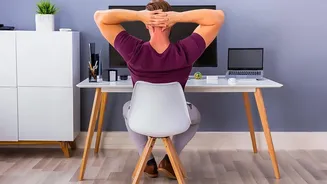
Your chair doesn't have to be a static fixture. While a supportive ergonomic chair is crucial, introducing alternative seating for short periods can be beneficial. Consider using an exercise ball or a kneeling chair for 20–30 minute intervals. Sitting on an exercise ball engages your core muscles as you work to maintain balance, improving posture and stability. The goal isn't to replace your main chair permanently, but to use these alternatives as tools for 'active sitting'. This breaks up the monotony for your muscles and encourages small but important postural adjustments throughout the day.
Organise for Activity
The way you organise your storage can create opportunities for movement. Instead of keeping everything in easily accessible desk drawers, rearrange your storage based on frequency of use. Keep essential, daily‐use items close, but store things you only need once or twice a day—like reference books, extra notepads, or archived files—on a higher shelf that requires you to stand and reach, or a lower cabinet that makes you bend or squat. This method, sometimes called 'active storage', transforms the simple act of retrieving an item into a brief moment of physical activity, stretching your body in different ways.
Establish Movement Triggers
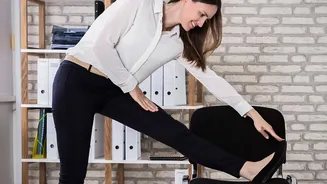
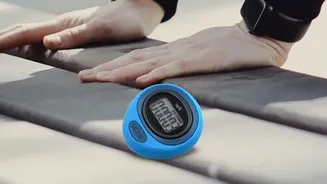
Sometimes the best way to force movement is to link it to a recurring task. Make it a rule to stand up every time you take or make a phone call. If you have the space, pace around the room while you talk. You can also turn informal discussions or brainstorming sessions into 'walking meetings', either outdoors or just around the office. These triggers help build new habits, transforming sedentary tasks into active ones. Using a simple timer or an app on your phone to remind you to get up and stretch every hour is another effective way to ensure you break up long periods of sitting.