





What Exactly Is a Western Disturbance?
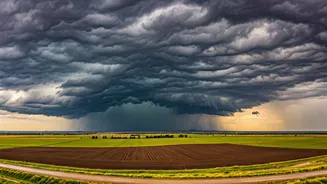
Before you dismiss it as just another weather term, understanding what a Western Disturbance (WD) is can be a lifesaver. Think of it as a storm system that originates over the Mediterranean Sea and travels eastward across the Middle East and Pakistan
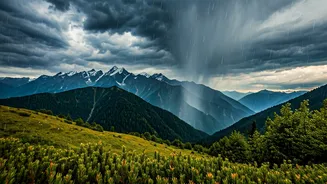
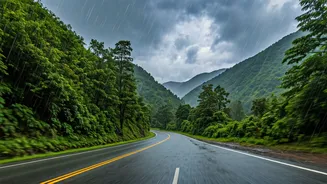
to reach the northern parts of India. During winter and early spring, these systems are the primary source of rain and, more importantly, snowfall in the Himalayan states. While they are crucial for replenishing water sources for the summer, an active or 'fresh' WD means unpredictable weather, including heavy precipitation, sharp temperature drops, and strong winds. For a traveller, this translates to heightened risk and the need for extreme caution.
Which Areas Are Currently Affected?
The impact of a WD is rarely uniform, but it typically hits the Western Himalayan region. Currently, authorities and the India Meteorological Department (IMD) have issued advisories for several popular youth destinations. States like Jammu and Kashmir, Himachal Pradesh, and Uttarakhand are on alert. This means popular circuits and towns such as Manali, Shimla, Kasol, Dharamshala, Auli, and areas around Srinagar and Gulmarg are experiencing or are likely to experience adverse weather. Higher altitude trekking routes, including those around the Parvati Valley, Triund, and Kedarkantha, become particularly hazardous and are often closed by local administrations during such events.
How This Reshapes Your Travel Plans
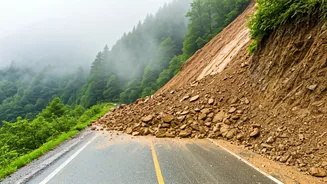
The phrase 'reshapes travel schedules' isn't just a headline; it's a reality on the ground. The most immediate impact is on road travel. Heavy rain can trigger landslides in the lower hills, blocking major highways like the Chandigarh-Manali or Rishikesh-Badrinath routes for hours, if not days. At higher elevations, sudden snowfall can make roads impassable, trapping vehicles and cutting off remote villages and tourist spots. For adventure seekers, this means treks are cancelled, ski slopes might be closed due to avalanche risks, and paragliding or river rafting activities are suspended. Your spontaneous weekend getaway can quickly turn into being stranded with no network and dwindling supplies.
Your Safety Checklist Before You Leave
If you have a trip planned, don't cancel just yet, but do your homework. Preparation is everything. 1. **Check Official Sources:** Don't rely on Instagram influencers or old blog posts. Monitor the official IMD website for the latest weather bulletins and follow the social media handles of the state police and disaster management authorities for real-time updates on road conditions. 2. **Inform Someone:** Share your detailed itinerary with your family or friends. Let them know your planned route, stay locations, and expected return date. Schedule regular check-ins. 3. **Pack for the Worst:** Even if you're going to a hill station, pack layers, a waterproof jacket, sturdy waterproof shoes, a power bank, a first-aid kit, and extra dry food and water. Mountain weather is fickle. 4. **Buffer Your Itinerary:** This is not the time for a tight, back-to-back schedule. Add one or two buffer days to your plan to account for potential road blockages or delays.
Already in the Mountains? What to Do
If you're already caught in the middle of a WD, panic is your worst enemy. Stay calm and follow these steps. If local authorities advise against travel, listen to them. It's better to be 'stuck' in a safe hotel than in a landslide zone. Postpone any plans to travel to higher altitudes or remote areas. If the weather clears, wait for official confirmation that the roads are safe before moving. Check with your hotel manager or local contacts about the most reliable routes and conditions. Finally, if you're in a remote area without a signal, stay put and conserve your resources until you can establish contact or the weather improves.