







The Science of the Post-Meal Spike
Every time you eat, especially a meal rich in carbohydrates, your body gets to work breaking it down into glucose, or blood sugar. This glucose enters your bloodstream to be used as energy. The result is a natural rise in blood sugar levels, which is perfectly
normal. However, a very sharp and rapid increase—often called a 'sugar spike'—can lead to that familiar energy crash and, over time, can contribute to more serious health concerns like insulin resistance. Your body's blood sugar level is typically at its highest between 30 and 90 minutes after you finish eating. Managing these post-meal spikes is a key strategy for maintaining stable energy and long-term metabolic health. This is where a gentle walk comes into play, acting as a simple yet effective tool to help your body process that energy efficiently.
How a Simple Stroll Works Its Magic
The magic behind a post-meal walk lies in your muscles. When you start moving, your muscles require energy to function, and their preferred fuel source is glucose. By going for a walk, you activate these muscles, which then begin to draw glucose directly from your bloodstream for power. Think of your muscles as a sponge for glucose; exercise makes that sponge much more absorbent. This process effectively lowers the amount of sugar circulating in your blood, preventing it from spiking too high. Studies have shown that this effect is significant. Research indicates that short walks after meals can be more effective at managing daily blood sugar levels than one single, longer walk. The body uses the incoming fuel immediately, rather than letting it linger and potentially be stored as fat.
The 15-Minute Sweet Spot
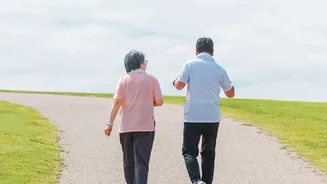
You don’t need to run a marathon after dinner to reap the rewards. In fact, research suggests that even very short walks can make a difference. Studies have found that walking for as little as 10 to 15 minutes after a meal can effectively lower post-meal blood sugar levels. One study highlighted that a 15-minute walk after each meal significantly improved 24-hour glycemic control in older adults. The ideal time to start your stroll is within 60 to 90 minutes of finishing your meal, which is when blood glucose levels tend to peak. The intensity should be light to moderate—a comfortable stroll is all that’s needed. Vigorous exercise can sometimes divert blood away from your digestive system, which isn't ideal right after eating. A gentle pace supports both digestion and glucose uptake.
Beyond Blood Sugar: Other Key Benefits
While blood sugar control is a major benefit, the advantages of a post-meal walk don’t stop there. This simple habit also aids digestion by stimulating the stomach and intestines, helping food move through your system more efficiently. This can reduce feelings of bloating, gas, and indigestion that can sometimes follow a heavy meal. Regular light walking also contributes to better heart health over time by supporting healthy circulation and helping to manage blood pressure. And what about muscle soreness? While the connection is less direct than with blood sugar, light activity like walking increases blood flow throughout the body. This enhanced circulation can help deliver oxygen and nutrients to sore muscles, potentially aiding in recovery from previous workouts. It's a gentle way to keep the body moving and reduce stiffness.
Making the Post-Meal Walk a Habit
Incorporating this practice into your daily life doesn't have to be a chore. The key is to find what works for you and make it as easy as possible. If you work in an office, use part of your lunch break to walk around the building or a nearby park. At home, make an after-dinner walk a family activity. Even just walking around your living room while listening to music or a podcast for 15 minutes counts. Pair the new habit with an existing one—dinner—to make it stick. The goal isn't perfection but consistency. Start with one meal a day and build from there. By turning a daily activity into an opportunity for movement, you can effortlessly improve your health day by day.