


The Fatigue with Gimmicky Fusion
There was a time when combining two distinct cuisines on a plate felt like the peak of culinary innovation. It was novel, exciting, and for a while, it defined modern Indian dining. However, diners are growing tired of fusion for fusion's sake. That initial
spark of novelty has, for many, given way to a sense of confusion and a longing for authenticity. When a dish tries to be everything at once, it often loses its identity, resulting in flavours that are muddled rather than enhanced. The trend of adding Indian spices to a Western dish, or vice versa, without a clear story or respect for the ingredients has led to a culinary landscape that can feel repetitive and uninspired.
A Return to Authentic Roots
The move away from generic fusion is fuelled by a growing desire for authenticity. Today's diners, especially younger generations, are more curious and informed, partly thanks to social media and travel, which expose them to a world of genuine culinary traditions. There is a rising demand for meals that tell a story, reflect local heritage, and introduce flavours that feel real and rooted in a specific place. This has given rise to the hyper-local movement, where restaurants focus on the unique food traditions of smaller regions, communities, and even villages, moving beyond broad labels like 'North Indian' or 'South Indian'.
Chefs as Culinary Storytellers
A new generation of Indian chefs is leading this charge, acting as both innovators and culinary archivists. They are travelling to villages, learning from home cooks, and unearthing forgotten recipes and techniques to bring them into modern restaurant kitchens. Chefs are proudly showcasing India's regional heritage through tasting menus that highlight indigenous ingredients, from Himalayan herbs to unique coastal seafood. This movement is about more than just food; it's about preserving cultural identity and respecting the deep history behind each dish. By championing everything from Naga pork to Kumaoni gravies, these chefs are redefining what it means to eat Indian food today.
Discovering India's Diverse Palate
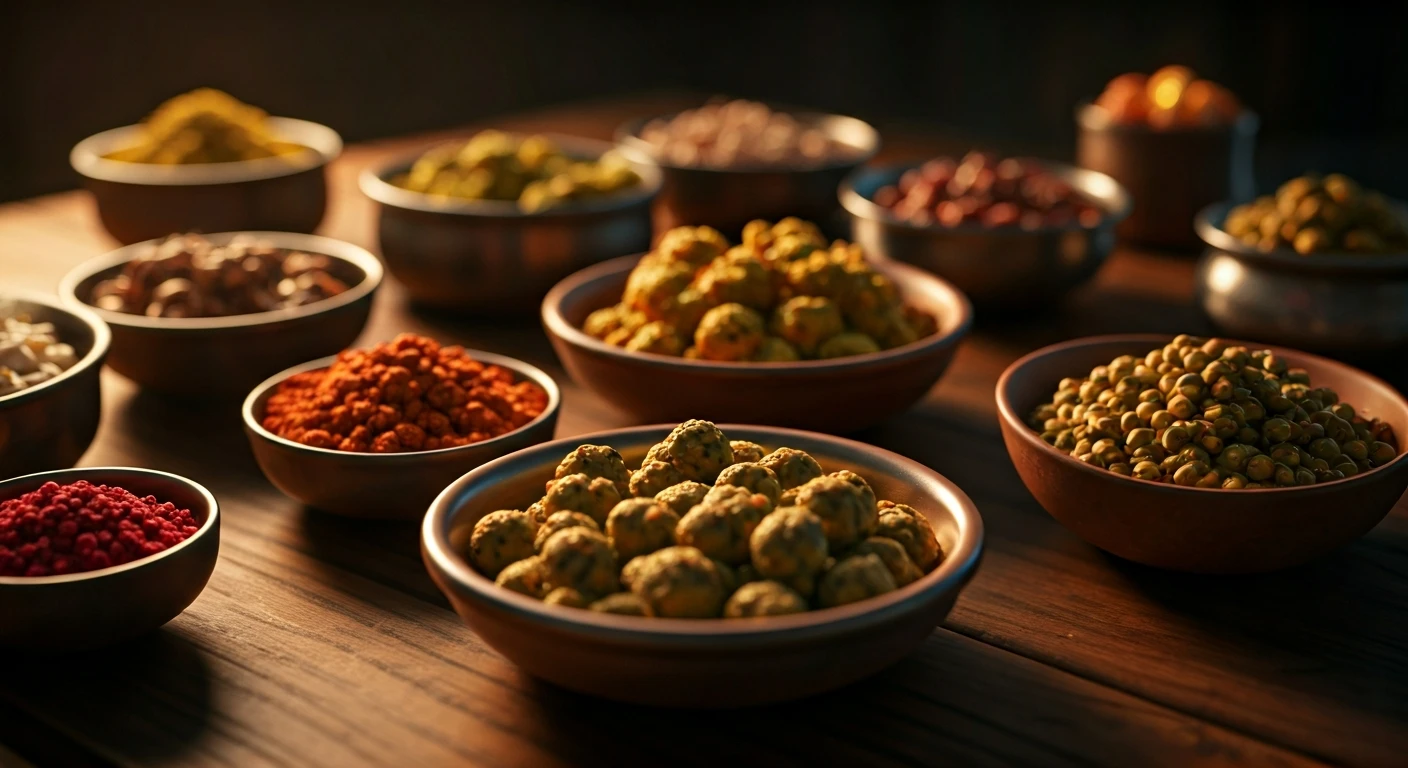
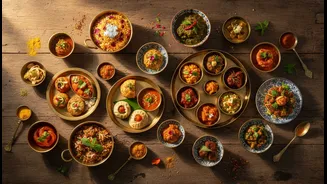
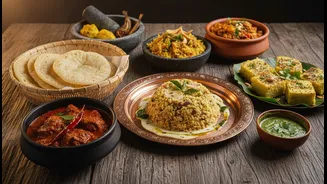
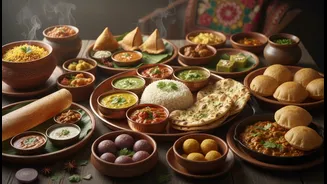
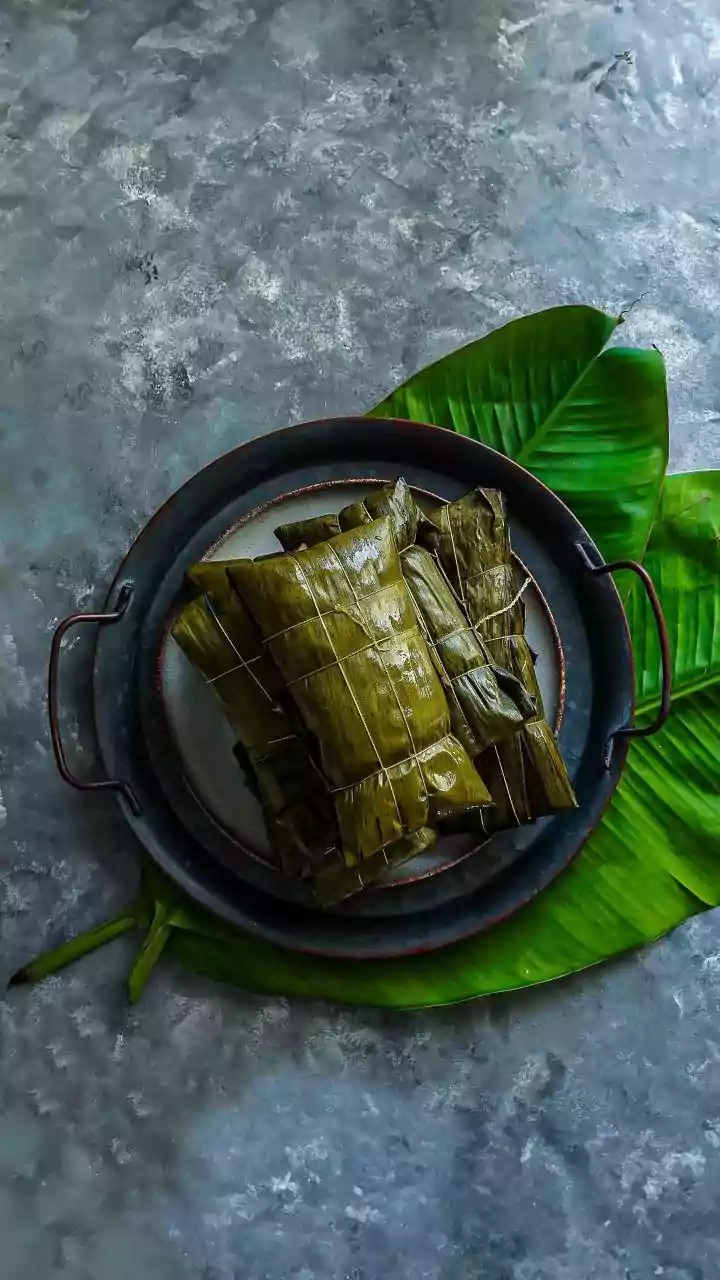
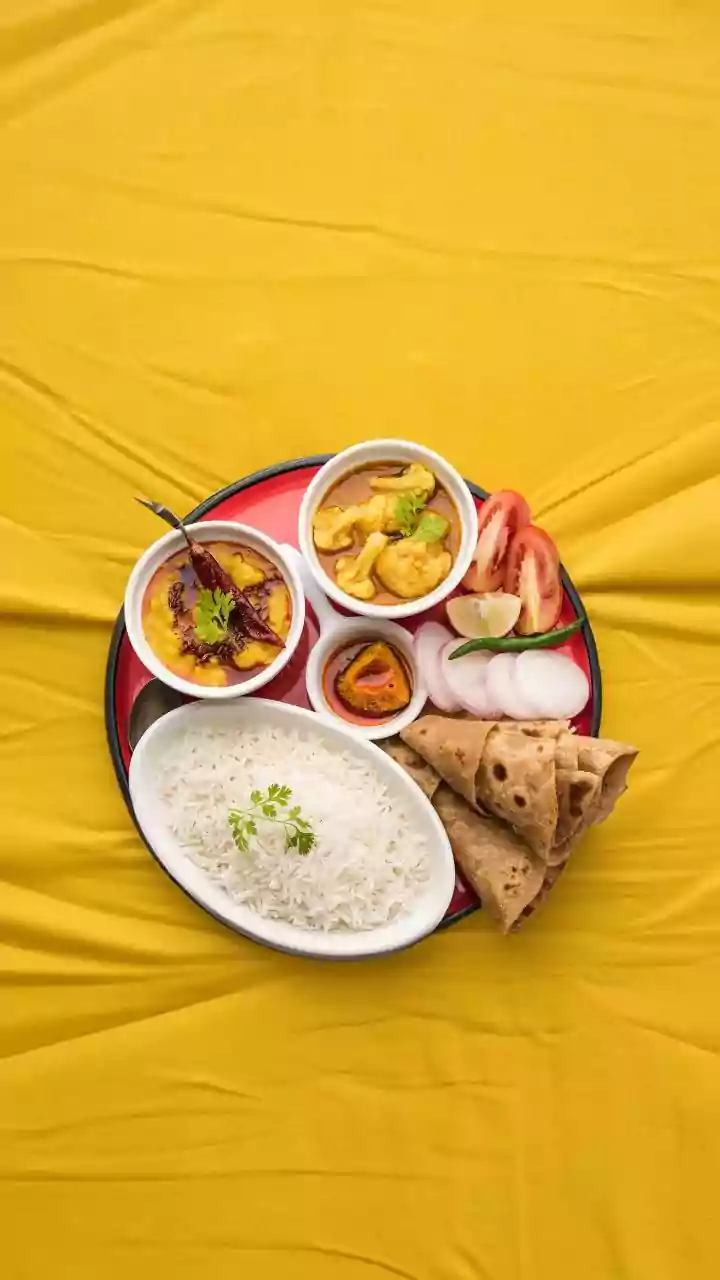
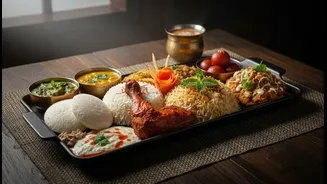
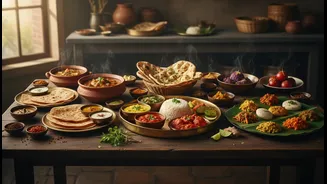
This trend is finally allowing the vast diversity of India's cuisines to shine. For years, mainstream Indian food was stereotyped and confined to a few predictable dishes. Now, lesser-known culinary worlds are taking centre stage. Diners are exploring the delicate stews of Kerala, the smoky tribal foods of the Northeast, fiery Chettinad curries, and the distinct cuisines of communities like the Kayastha or the Bohri. This exploration celebrates hyperlocal delicacies, where a single thali might showcase dishes from one district, with every ingredient sourced from nearby farms. It’s a rediscovery of India's own culinary roots, proving that the country contains more culinary philosophies than most continents combined.
So, Is Fusion Truly Dead?
Not entirely, but it has certainly evolved. The decline of generic fusion doesn't mean the end of all cross-cultural culinary creativity. Instead, the best modern fusion is now more thoughtful, intentional, and story-driven. Rather than a chaotic mash-up, today's successful fusion dishes are rooted in a genuine cultural connection and a deep respect for the ingredients of both traditions. It’s the difference between a gimmick and a meaningful conversation between two cultures on a plate. Chefs are blending techniques and flavours in ways that feel both innovative and authentic, proving that the future of Indian cuisine can remain rooted in tradition while embracing thoughtful innovation.