




The Monsoon's Fury Elsewhere
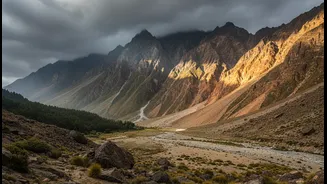
For most of the Indian Himalayas, the monsoon season from June to September is a period of significant disruption. States like Uttarakhand and large parts of Himachal Pradesh face the full force of the moisture-laden winds. This often results in torrential
downpours, leading to dangerous landslides, flash floods, and washed-out roads. News reports frequently highlight stranded tourists and widespread damage, making travel risky and unpredictable. Many popular hill stations become difficult to access, with authorities often issuing travel advisories and red alerts. This seasonal risk forces many travellers to either postpone their mountain plans or look for safer alternatives.
The Great Himalayan Shield
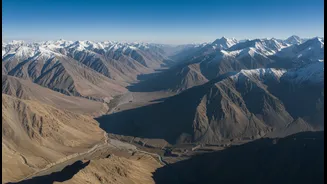
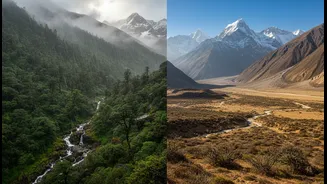
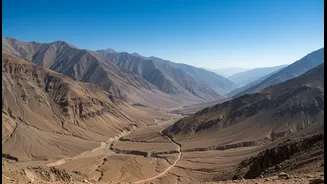
The key to Spiti and Ladakh's monsoon appeal lies in a phenomenon called the 'rain-shadow effect'. The towering Himalayan ranges act as a colossal barrier to the southwest monsoon clouds blowing in from the Indian Ocean. As this moist air is forced to rise up the southern, windward slopes of the mountains, it cools and condenses, dumping most of its rain. By the time the air crosses over the highest peaks to the northern, leeward side—where Spiti and Ladakh are located—it has lost almost all its moisture. This descending air actually warms up, further reducing humidity and preventing cloud formation. The result is a vast, arid region shielded from the monsoon rains that drench the rest of the country.
A High-Altitude Desert Paradise
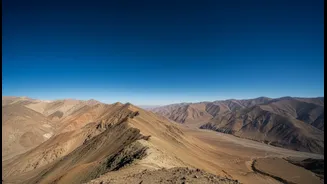
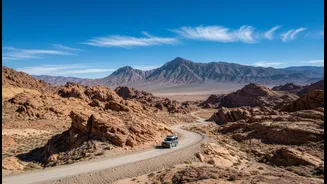
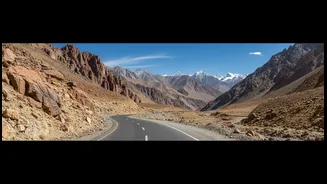
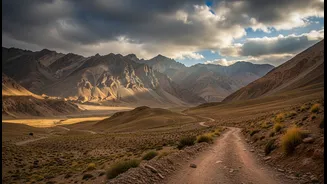
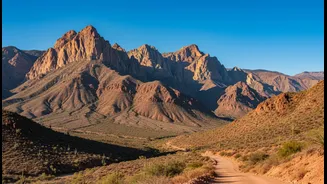
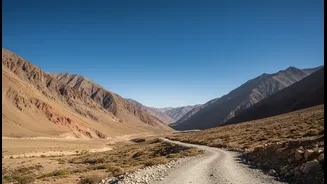
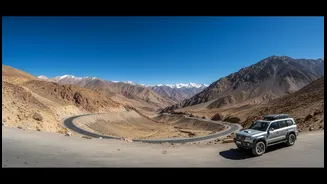
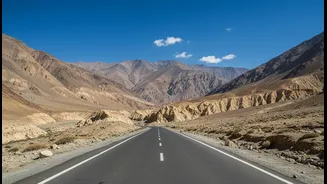
This rain-shadow effect is what gives Ladakh and Spiti their 'cold desert' climate. While other parts of India experience grey skies and continuous rain, these valleys boast clear blue skies, bright sunshine, and relatively dry conditions, making July and August their peak tourist season. The minimal rainfall means roads generally remain open and accessible, allowing travellers to explore high-altitude passes, pristine lakes like Pangong Tso, and the dramatic landscapes of the Nubra and Spiti Valleys without the constant threat of being rained out. This unique weather window provides a stark, beautiful contrast to the lush but often inaccessible greenery elsewhere in the Himalayas.
The Ideal Conditions for Adventure
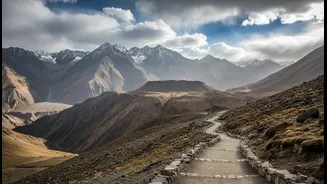
The dry, stable weather creates perfect conditions for the adventure activities that draw crowds to the region. It's the ideal time for trekking, with famous routes like the Markha Valley trek being most accessible. Motorcyclists and road-trippers undertake epic journeys on legendary highways, confident that the primary routes are less likely to be blocked by rain-induced landslides. The rivers, fed by glacial melt, swell to offer exciting white-water rafting opportunities. Furthermore, the clear, dark skies of the cold desert make it a prime location for astrophotography and stargazing. Many local festivals, like the La Darcha Fair in Spiti, are also held during this period, offering a rich cultural experience alongside the adventure.
Safer, But Not Entirely Without Risk
While Spiti and Ladakh are shielded from the monsoon rains, it's crucial to understand that 'safer' does not mean zero risk. The journey to these regions often involves crossing areas in Himachal Pradesh, like the Manali route, that are susceptible to monsoon fury. Travellers must remain aware of road conditions before starting their trip. Furthermore, these are high-altitude environments, and risks like Acute Mountain Sickness (AMS) are ever-present. The terrain is still fragile, and localized flash floods can occur due to cloudbursts or rapid glacial melt. It's always advisable to travel with buffer days in your itinerary, carry essential medicines, and stay hydrated to acclimatise properly.