


The Soothing Power of Pepper Rasam
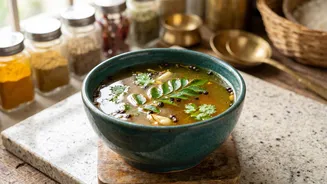
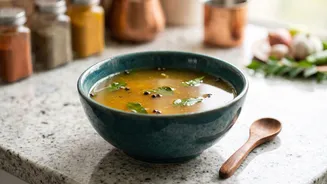
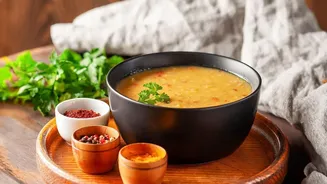
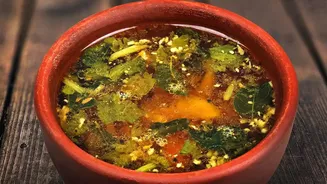
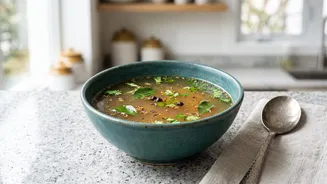
Pepper rasam, or 'milagu rasam', is a staple in South Indian households, especially when someone is feeling under the weather. It's a thin, aromatic soup built on a base of tamarind water, tomatoes, and a distinctive blend of spices dominated by black
pepper. Traditionally, it's seen as a remedy for colds, coughs, and sore throats. The logic is simple and time-tested: the warm, fluid consistency helps with hydration and soothes the throat, while the pungent spices, particularly black pepper, are believed to act as a natural decongestant, helping to clear nasal passages. The heat from the pepper, combined with ingredients like garlic and cumin, creates a warming effect that is deeply comforting during an illness.
The Anatomy of a Curry
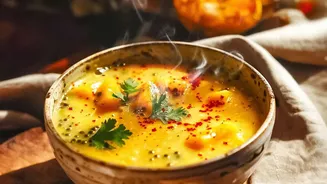
The term 'curry' is a broad label for a massive family of dishes across India. However, when we think of a typical thick curry, especially those from North India, the structure is fundamentally different from rasam. These curries often start with a rich base, or 'masala', made by slow-cooking onions, ginger, and garlic, and then adding tomatoes. This foundation is what provides the gravy its body. To achieve that signature thick, velvety consistency, a variety of thickening agents are used. These can include yogurt, cream, or pastes made from ground nuts like cashews or almonds. The goal is to create a substantial, sauce-like gravy that clings to vegetables, paneer, or meat, designed to be scooped up with breads like naan or roti.
Consistency: The Great Divide
The most immediate difference between pepper rasam and a thick curry is consistency. Rasam is unapologetically thin and watery by design. Its texture is closer to a broth or a clear soup. While some variations include a small amount of cooked and mashed lentils (toor dal) to give it a slight body, the primary liquid is tamarind and tomato-infused water. The aim is never to create a thick sauce. In stark contrast, the defining feature of many popular curries is their thickness. This is achieved by simmering the sauce to reduce the water content and by using the aforementioned bases of onion, tomato, dairy, or nut pastes. If a curry is too watery, it's often considered a flaw to be corrected by simmering it down further or adding a thickener.
Flavour Profile and Purpose
This difference in consistency speaks to their different roles in a meal. Pepper rasam has a sharp, tangy, and spicy flavour profile. The sourness from tamarind and the heat from black pepper are front and centre. It's designed to be light, awaken the palate, and aid digestion. For this reason, it can be served as a starter soup, mixed with a small portion of rice as a separate course, or even sipped from a cup after a heavy meal. Thick curries, on the other hand, are the main event. Their flavour is typically richer, deeper, and creamier. While spices are crucial, the taste is often mellowed by the richness of cream, yogurt, or coconut milk. A curry is meant to be a hearty, filling centerpiece of the meal, providing a robust sauce for staples like rice and bread.
A Different Kind of Comfort
Both pepper rasam and thick curries offer comfort, but they do so in different ways. A thick, creamy curry provides a feeling of richness and indulgence—a hearty hug in a bowl. It’s the kind of satisfying meal you might crave on a cold winter's night. Pepper rasam offers a lighter, more restorative kind of comfort. It revitalizes the senses with its pungent aroma and spicy kick, making it the perfect companion when your body needs something soothing and easy to digest. It's less about filling the stomach and more about providing gentle nourishment and relief, which is precisely why it has earned its place as the go-to food for India's flu season.