

The Mouth-to-Body Connection
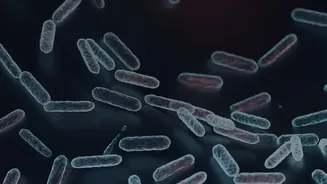
It’s easy to dismiss bad breath as just 'dog breath', but it's often the first sign of trouble. More than 80 percent of dogs and 70 percent of cats show signs of dental disease by age three. This starts as plaque, a bacterial film that hardens into tartar.
If left unchecked, it leads to gum inflammation, known as periodontal disease. The real danger begins when bacteria from the infected gums enter the bloodstream. This can lead to serious health issues, as the body is constantly fighting a low-grade infection. This chronic inflammation puts a strain on vital organs like the heart, kidneys, and liver, potentially shortening a pet's life. By preventing dental disease, you are not just saving their teeth; you are protecting their entire body and supporting a longer, healthier life.
The Danger of a Tooth Root Abscess
One of the most severe consequences of poor dental health is a tooth root abscess, a painful pocket of pus that forms at the root of a tooth. This often happens when a tooth is fractured—perhaps from chewing on a hard toy—or when advanced dental disease allows bacteria to infect the root canal. Pets are masters at hiding pain, so owners might not notice a problem until it's severe. Telltale signs include swelling below the eye or on the jaw, reluctance to eat or chewing only on one side, dropping food, excessive drooling, or pawing at the face. A tooth root abscess is an emergency that requires immediate veterinary care. Antibiotics can manage the infection temporarily, but the source—the infected tooth—must be treated either through extraction or a root canal procedure to provide a permanent solution and relieve the pain.
Your Daily At-Home Care Routine
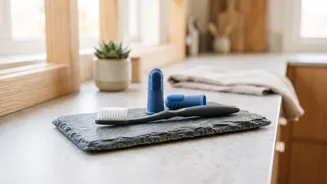
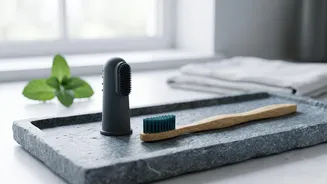
The single most effective way to prevent dental disease is regular tooth brushing at home. Daily brushing is ideal, but even a few times a week makes a significant difference. It is crucial to use toothpaste specifically designed for pets, as human toothpaste can contain ingredients like xylitol, which is toxic to dogs. Pet toothpastes come in appealing flavours like chicken or beef to make the experience more pleasant. If your pet resists a brush, dental wipes are a good alternative for removing soft plaque. You can also supplement brushing with other products. Specially formulated dental foods, treats, and water additives can help reduce plaque and tartar buildup. However, avoid very hard chew toys, bones, or ice cubes, which can fracture teeth and lead to problems like abscesses.
The Role of Professional Cleanings
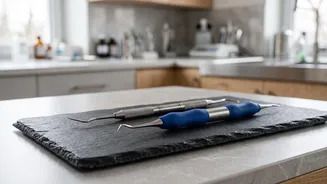
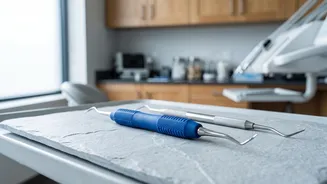
Just as we need to visit the dentist, our pets need professional dental cleanings to maintain their oral health. At-home brushing removes plaque, but once it hardens into tartar, it can only be removed by a veterinarian. During a professional cleaning, your pet will be under general anaesthesia, which allows the vet to perform a thorough and stress-free examination. They will clean and polish the teeth, removing tartar from above and below the gumline. Importantly, this also allows for dental X-rays, which are essential for spotting hidden problems like root abscesses or bone loss that aren't visible to the naked eye. Depending on your pet’s age and oral condition, your vet may recommend a cleaning once a year. These regular check-ups ensure that any potential issues are caught and treated early, preventing pain and more serious health complications down the road.