








The Brain-Gut Connection and Satiety
It takes approximately 20 minutes for your brain to receive the message from your stomach that you are full. [1, 4, 8, 15] When you eat too quickly, you can easily consume more food than your body needs before this satiety signal kicks in. [3, 8] This
often leads to overeating and subsequent weight gain. [11, 13] Slowing down allows this intricate communication system between your digestive hormones and your brain to function properly, helping you recognise fullness cues and feel satisfied with smaller portions. [1, 2, 3]
Improved Digestion and Nutrient Absorption
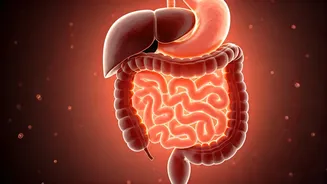
Digestion is a complex process that begins in the mouth. [3] Chewing thoroughly is the first step, breaking down food into smaller particles and mixing it with saliva, which contains digestive enzymes. [1, 5, 16] When you eat too fast, you tend to swallow larger, poorly chewed pieces of food, forcing your stomach to work harder. [5, 11] This can lead to digestive discomforts like bloating, gas, and indigestion. [2, 11, 16] By eating slowly, you give your body ample time to properly break down food, which can enhance nutrient absorption and reduce stress on your digestive system. [2, 14, 20]
A Mindful Approach to Meals
Slowing down transforms eating from a mindless task into a mindful practice. [12] When you're not rushing, you have the opportunity to engage all your senses, noticing the flavours, textures, and aromas of your food. [1, 7] This mindful eating not only increases your enjoyment of the meal but also fosters a healthier relationship with food. [7, 9] It encourages you to be more aware of your body's hunger and fullness cues, helping you differentiate between physical hunger and emotional cravings. [4, 10]
Practical Tips to Slow Down Your Pace
Incorporating this change doesn't have to be complicated. Start with small, manageable steps. Try setting your utensils down between bites to create a natural pause. [9, 12] Taking sips of water throughout your meal can also help slow you down. [20] Make an effort to eliminate distractions like your phone or the television, allowing you to focus solely on your meal. [8, 9, 12] Another effective technique is to consciously chew each bite more thoroughly than you normally would—some experts suggest aiming for 25-30 chews per mouthful. [4, 8, 9]